Clownfish Coloring Pages
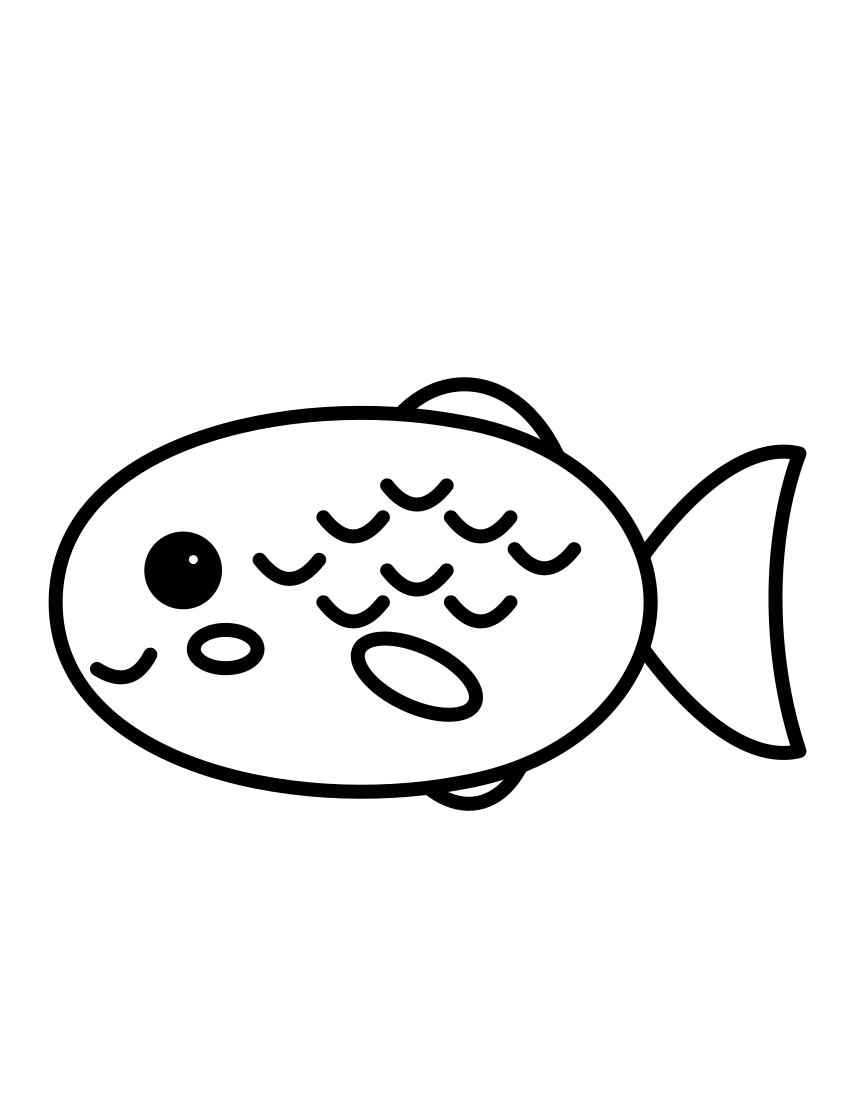
Clownfish coloring pages bring the little orange and white reef fish to paper, with very simple outlines for toddlers, easy pages for preschoolers and busier anemone scenes for older children.
Very simple clownfish coloring pages ages 2-4
Easy clownfish coloring pages ages 3-6
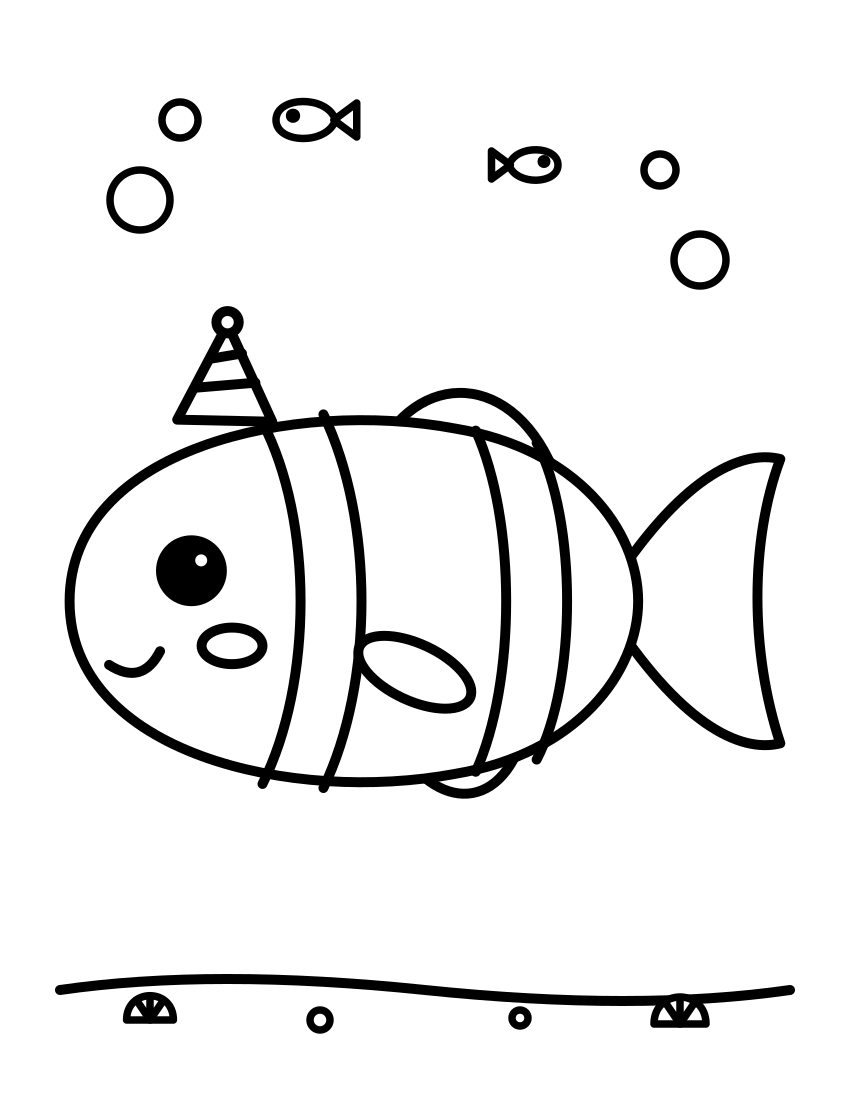
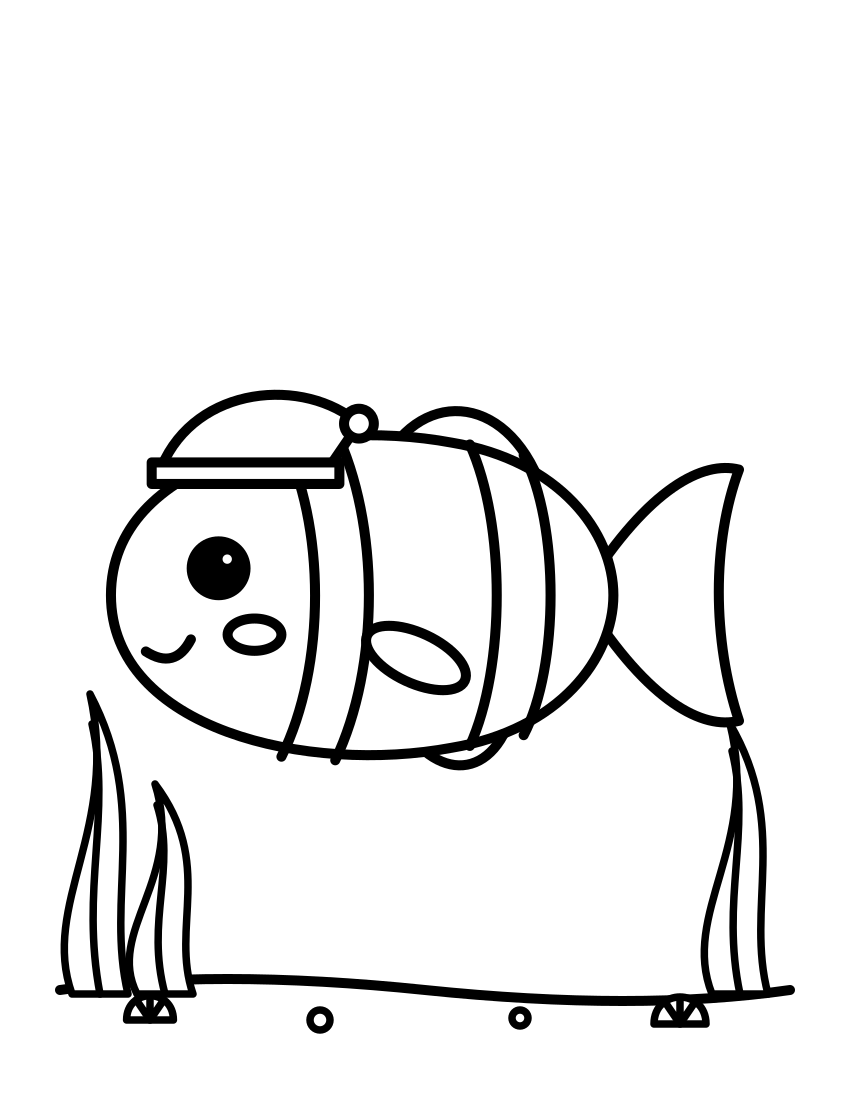
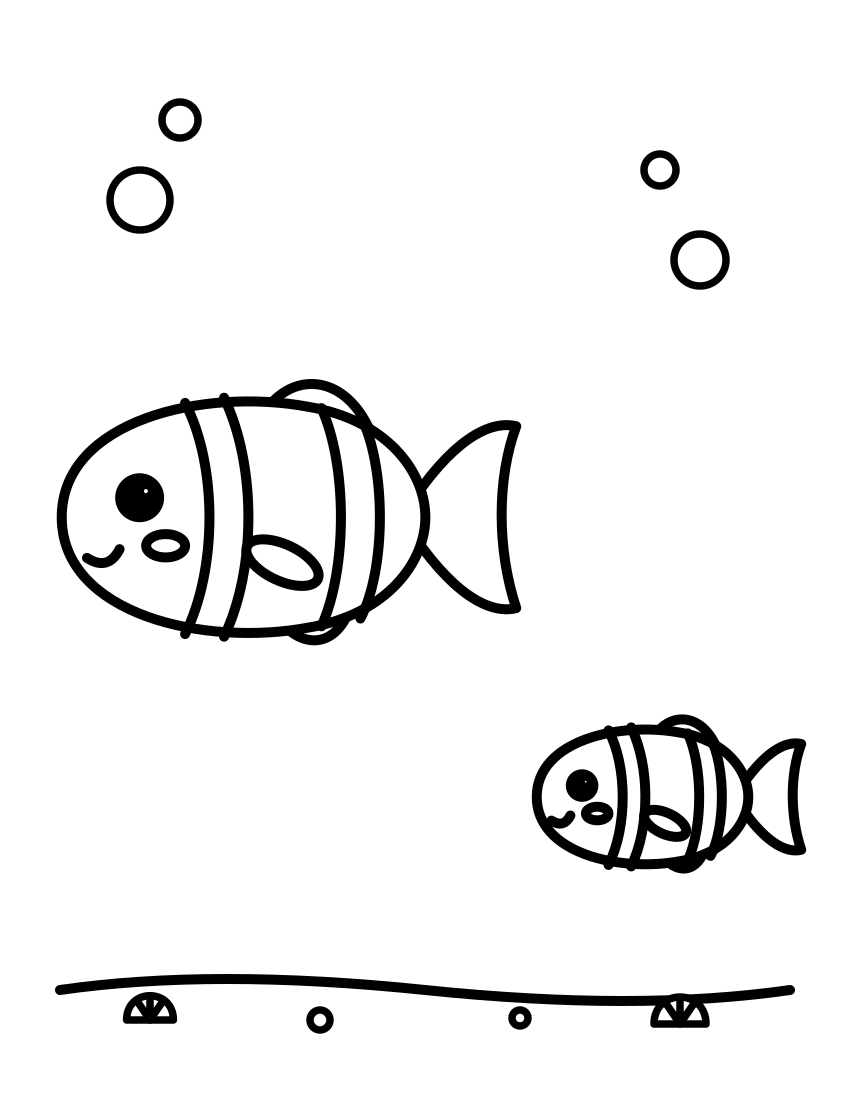
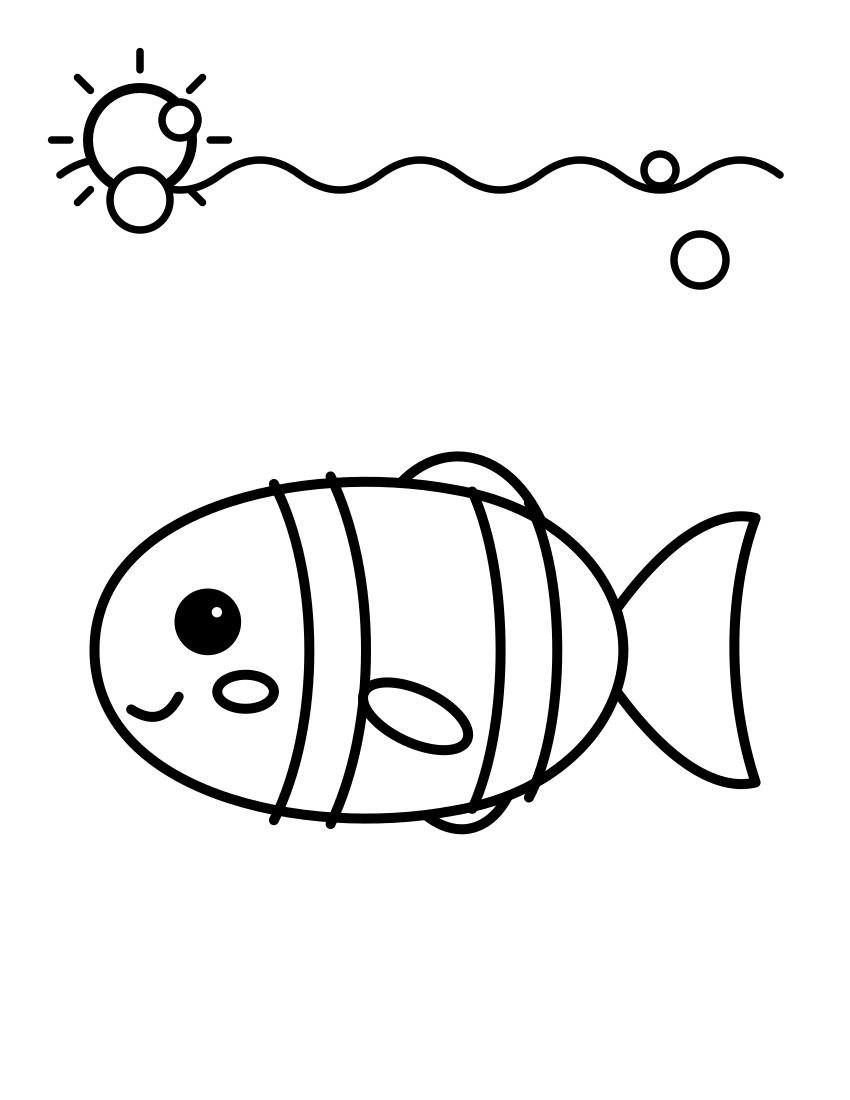
Medium clownfish coloring pages ages 6-10
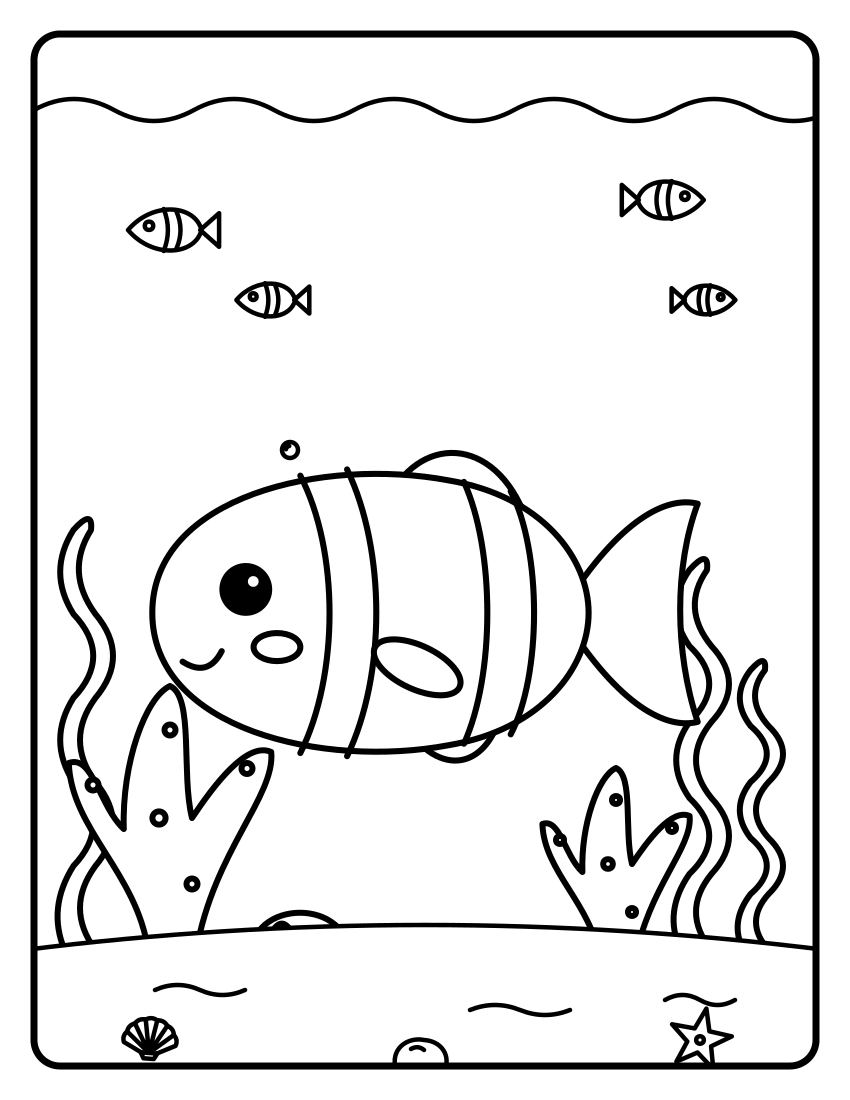
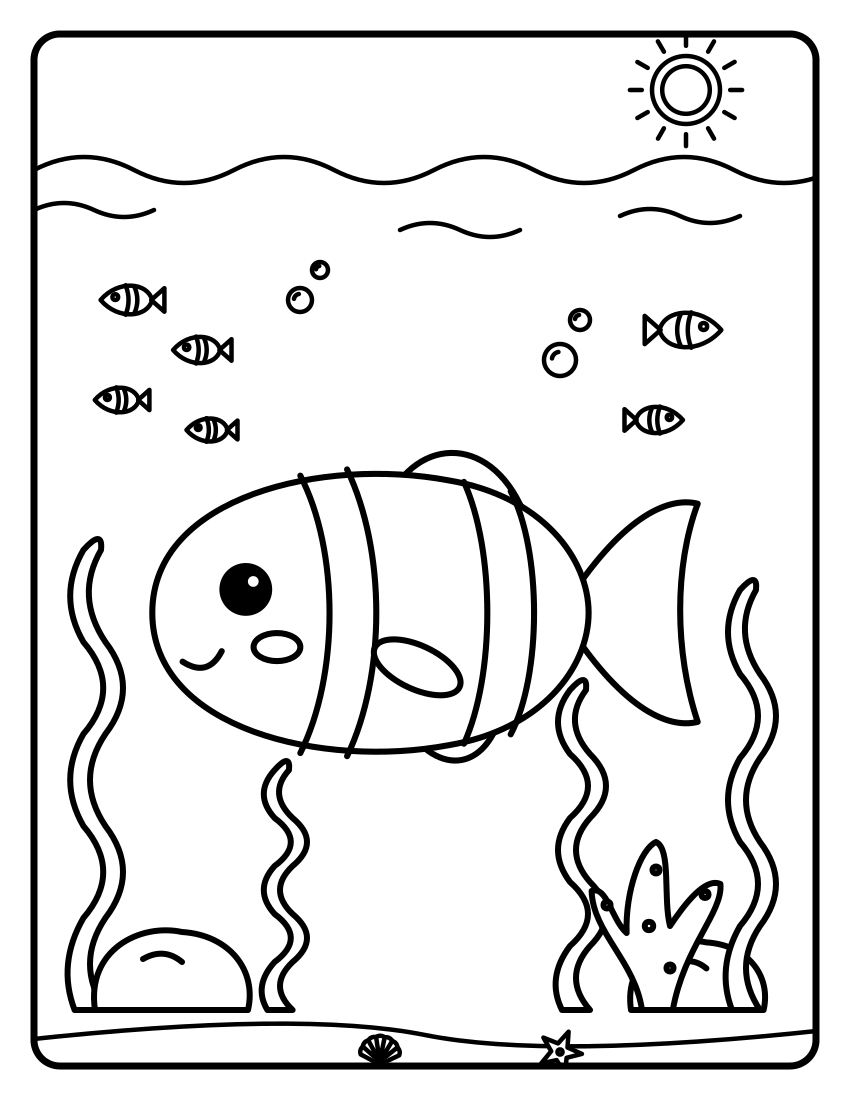
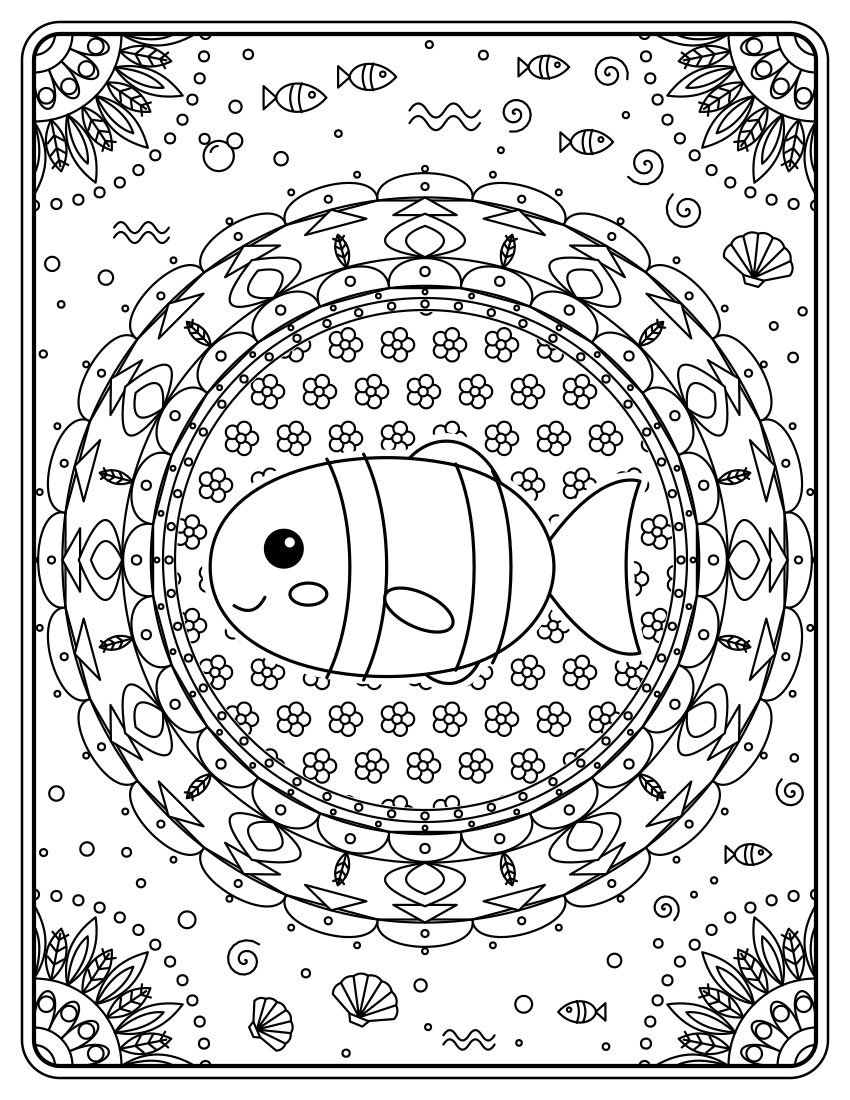
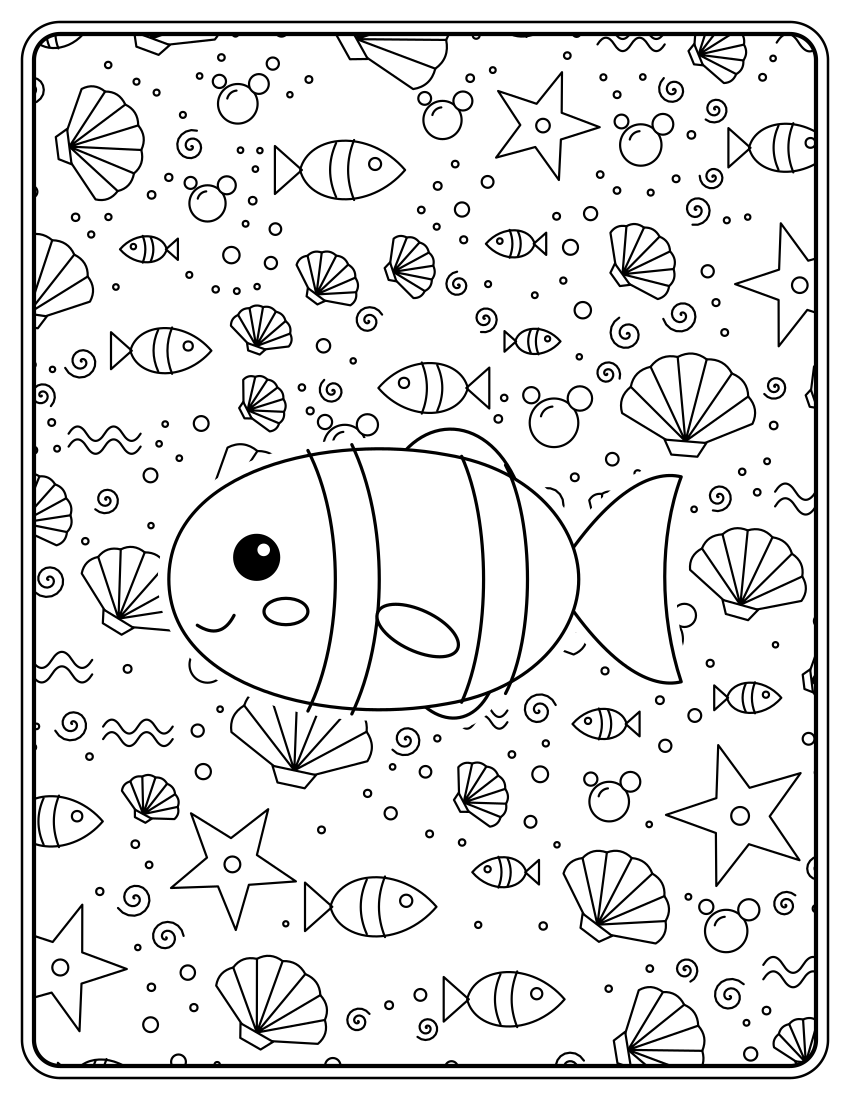
Detailed clownfish coloring pages ages 10+ and adults
More ways to browse
Kids love the bold stripes, and the colors are easy to get right: bright orange with three white bands, each edged in a thin black line. Some kinds are darker red or nearly black, so there is room to experiment. While coloring, talk about how a clownfish lives safely inside a stinging sea anemone and why the two help each other.
White stripes are easiest to keep clean if kids color the orange first and leave the bands alone. A black fine-tip marker then makes the thin edge lines stand out.
Fun facts to share while you color
- Clownfish live among the stinging arms of sea anemones, which protect them from bigger fish.
- A slimy coating on a clownfish's skin keeps the anemone from stinging it.
- Clownfish live in warm waters of the Indian and Pacific Oceans.
- In a group of clownfish, the biggest one is the female and she is the boss.
- Clownfish help their anemone by cleaning it and chasing away fish that would eat it.
Ways to use these clownfish pages
- Color a clownfish and a sea anemone on separate pages, cut them out and let kids decide where the fish hides.
- Practice counting by asking how many white stripes each clownfish has and checking every fish on the page.
- Use the page to start a lesson on animal partners that help each other, then brainstorm other animal teams.
- Glue colored clownfish onto a blue paper plate to make a simple reef porthole for the classroom wall.
Questions parents and teachers ask
What colors is a real clownfish?
The best known clownfish are bright orange with three white stripes outlined in black. Other kinds can be yellow, pink, maroon or almost black with white bands.
Why doesn't the anemone sting the clownfish?
A clownfish has a thick layer of mucus on its skin that keeps the anemone's stinging cells from firing. This simple fact makes a good talking point while kids color.
Which clownfish pages suit a toddler?
Pick the very simple level, which has one large fish and wide spaces. A toddler can scribble the orange and you can add the white stripes together.