Animal Coloring Pages
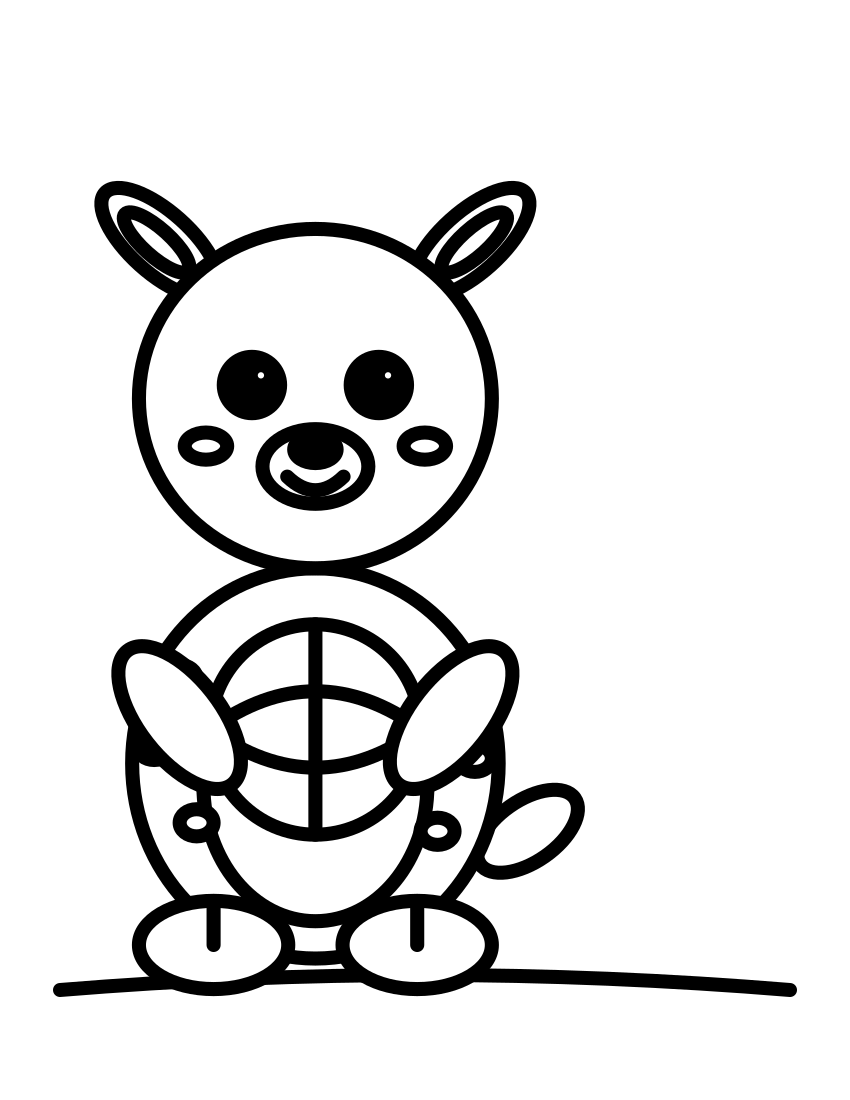
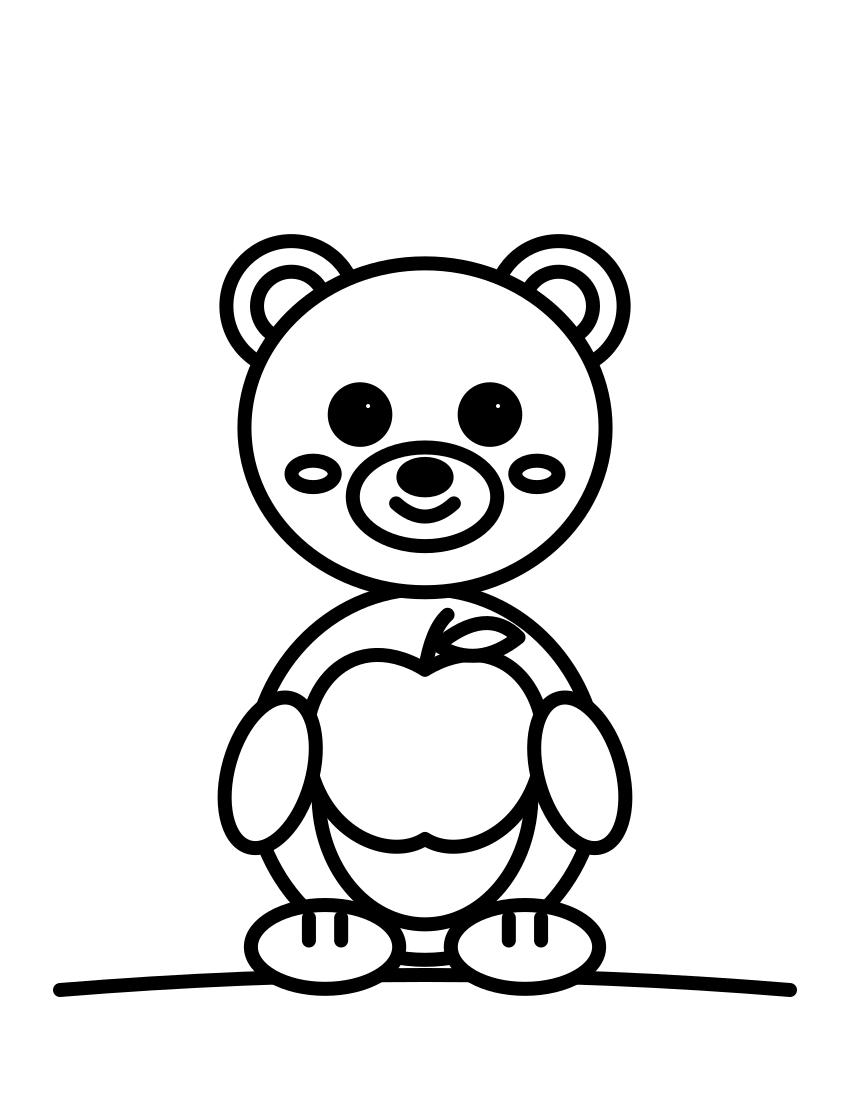
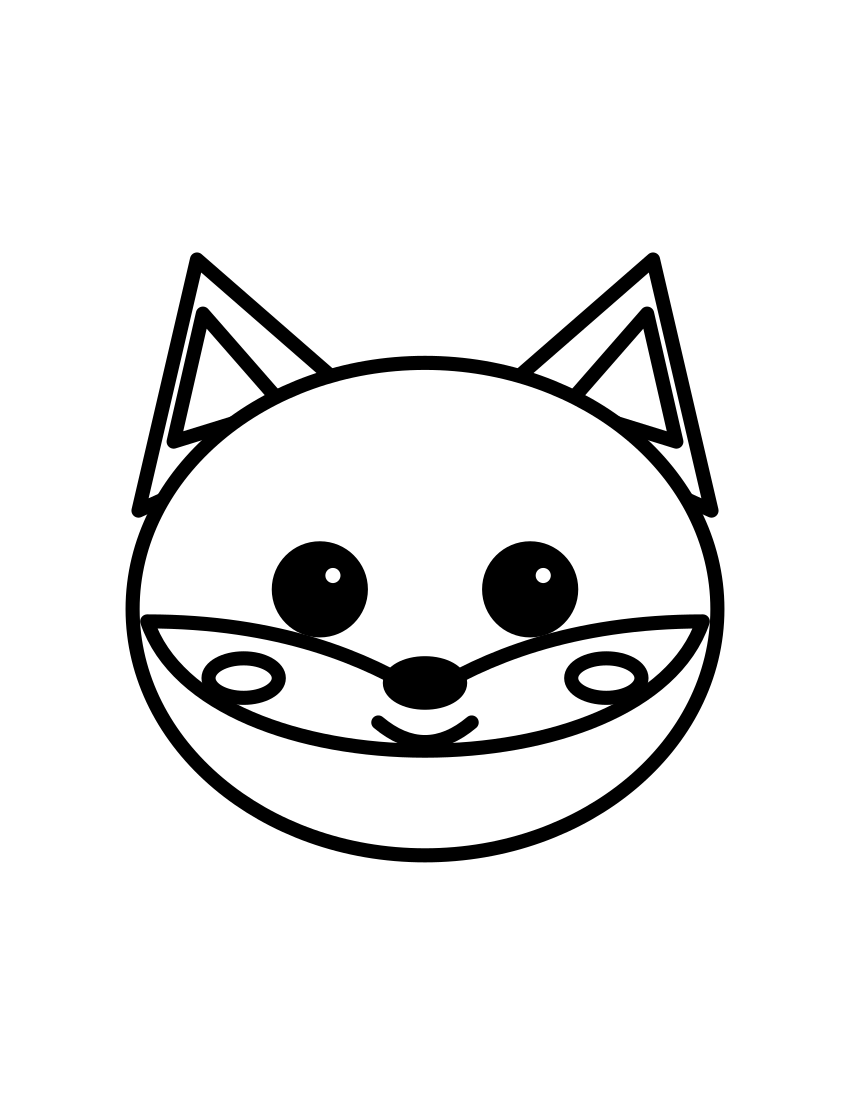
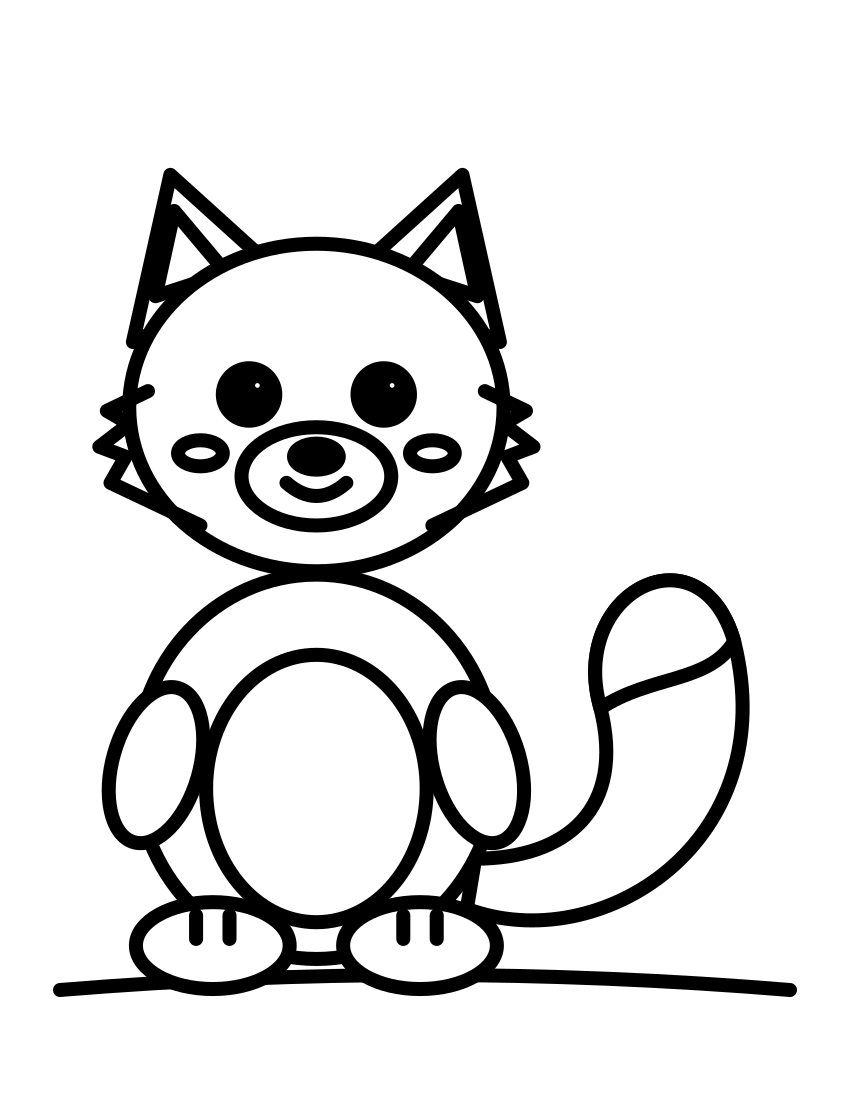
Animal coloring pages cover farm animals, pets, wild animals, forest and ocean life, birds, bugs, reptiles and arctic animals. Each theme comes in four levels, from very simple outlines for toddlers to detailed line art for older kids.
Farm animals 97 pages
Pets 80 pages

Wild animals 156 pages
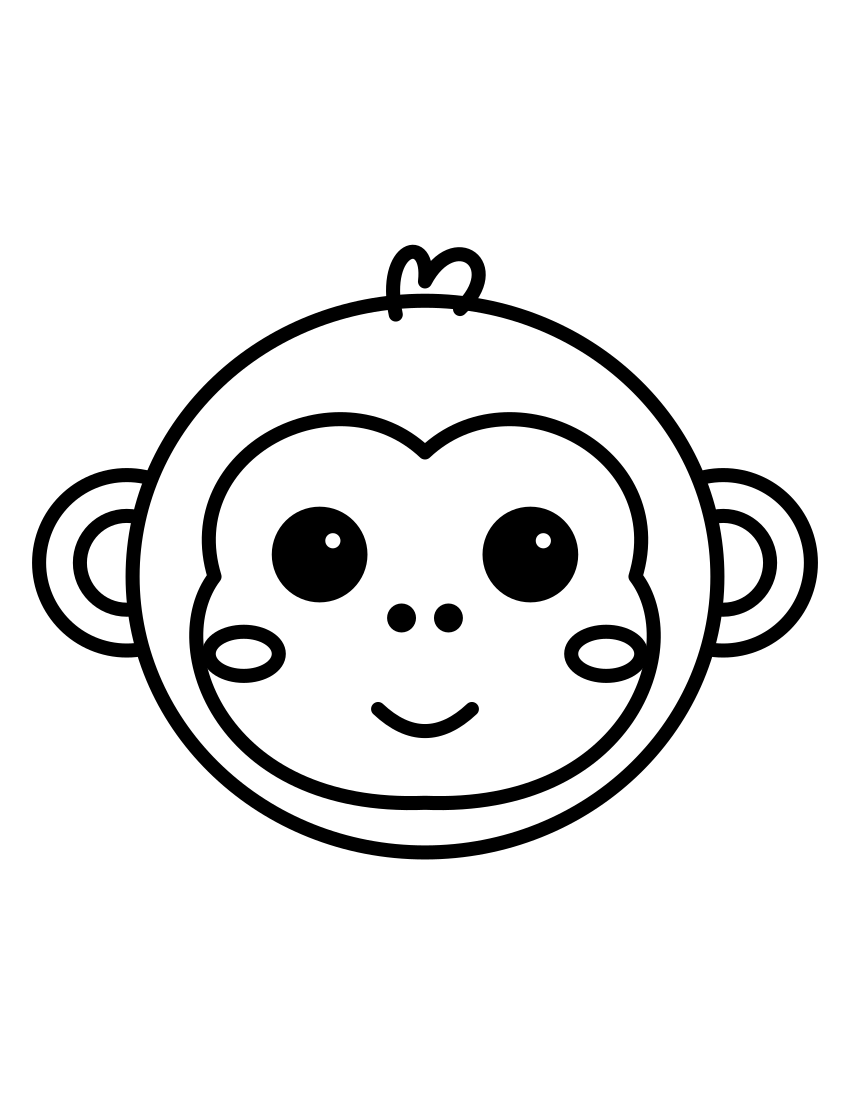
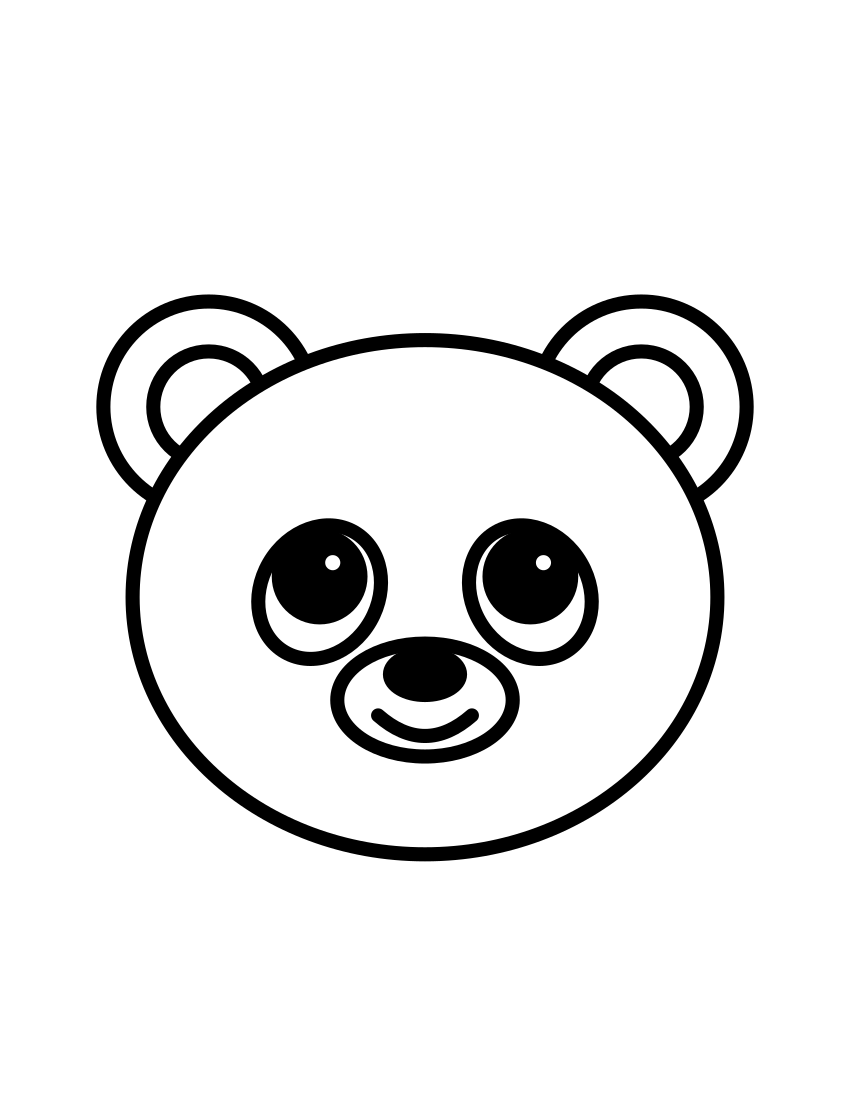
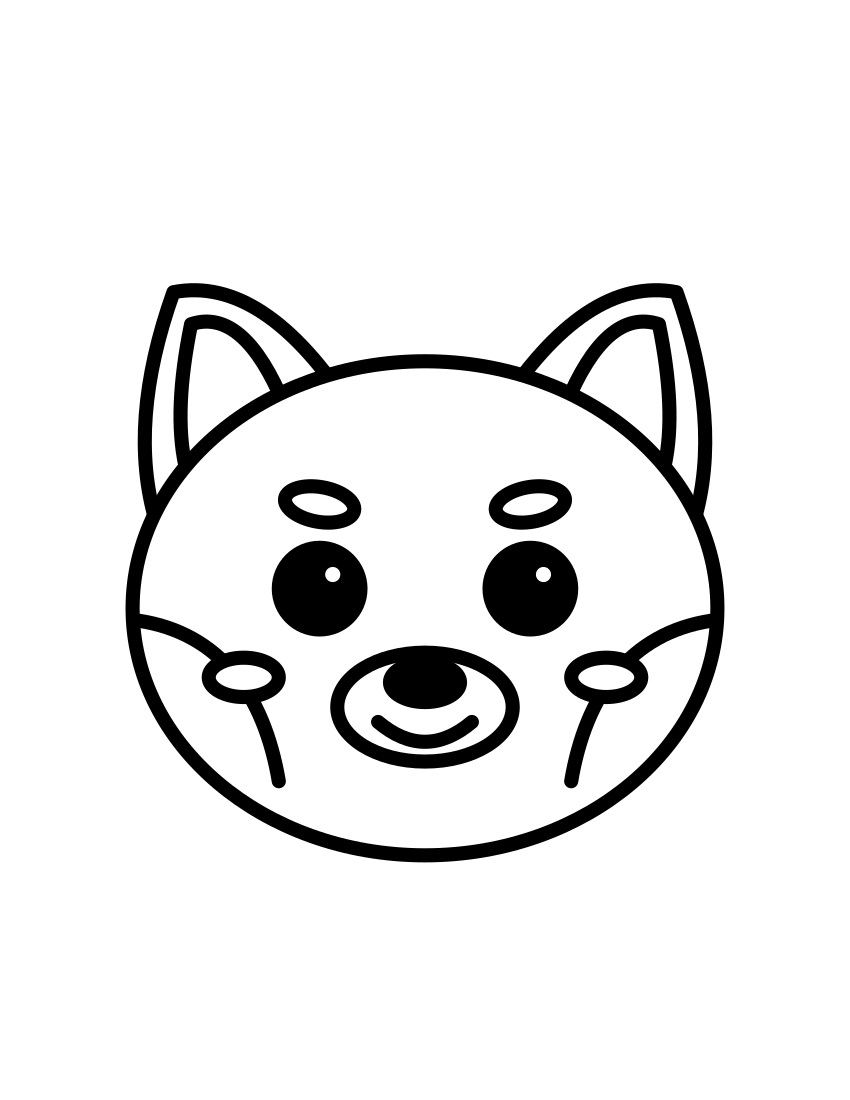

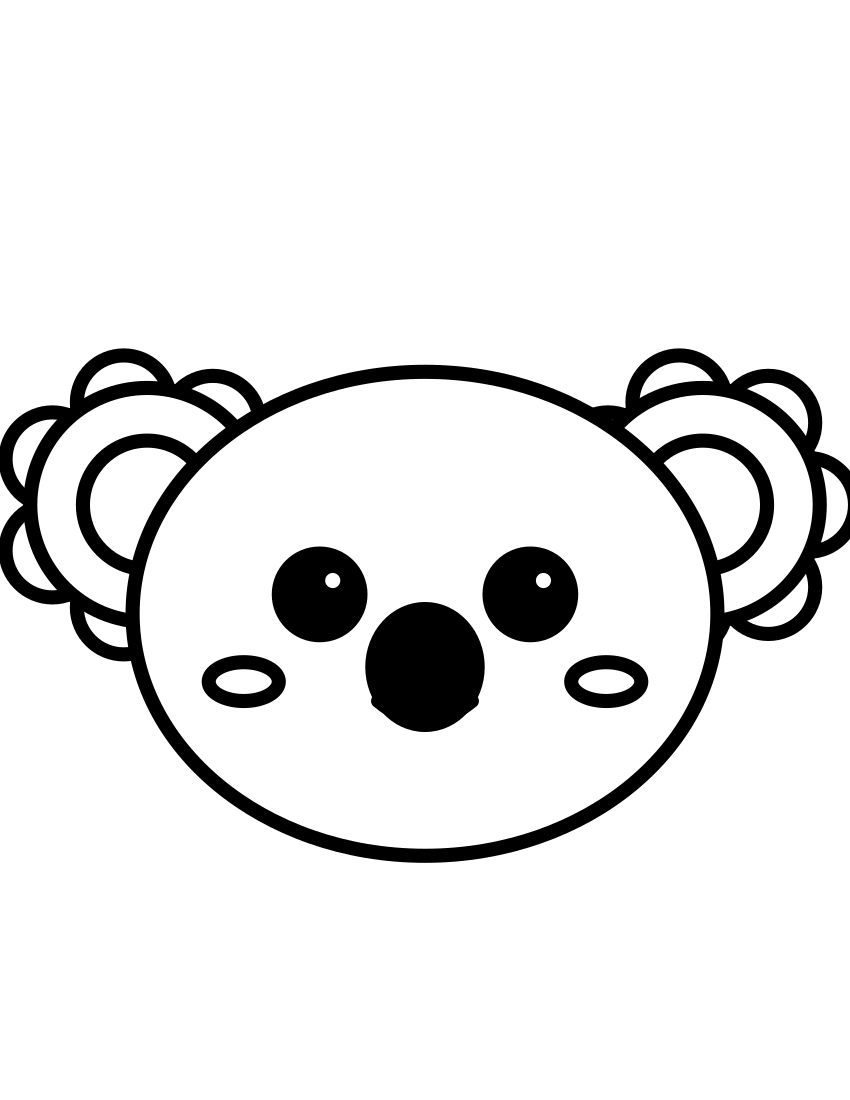
Forest animals 94 pages
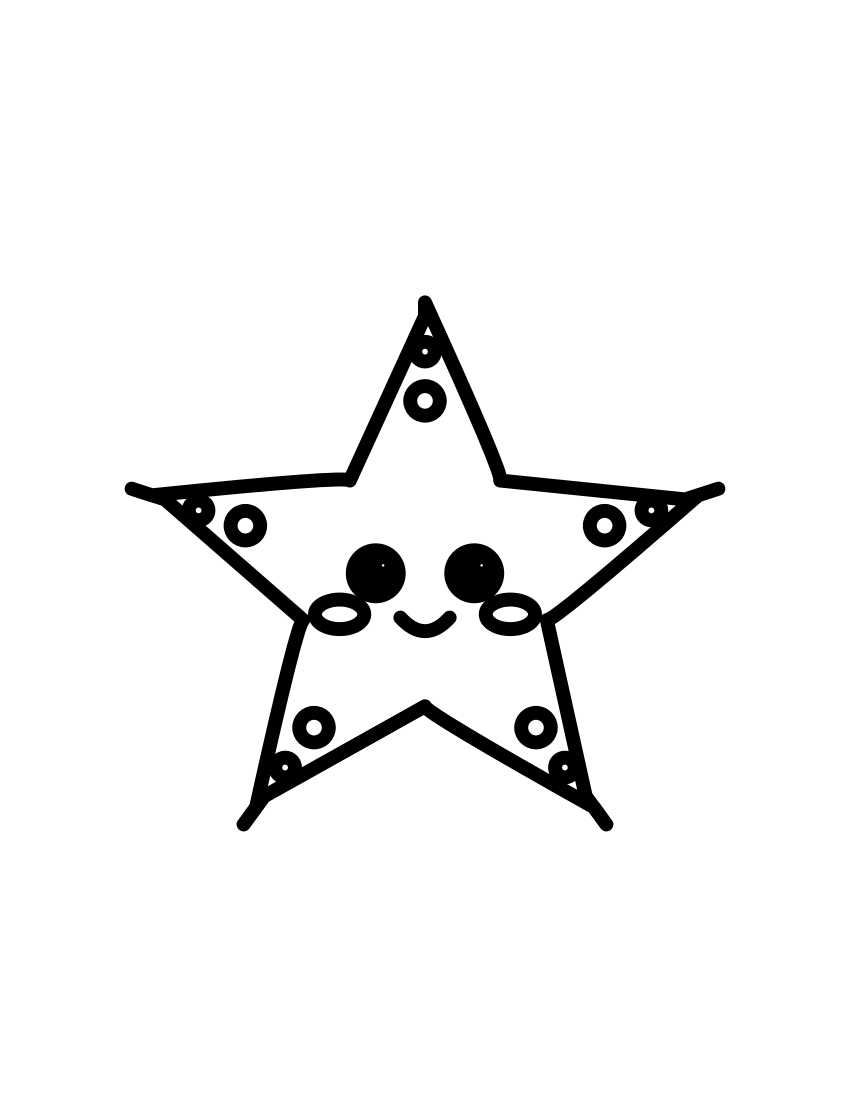
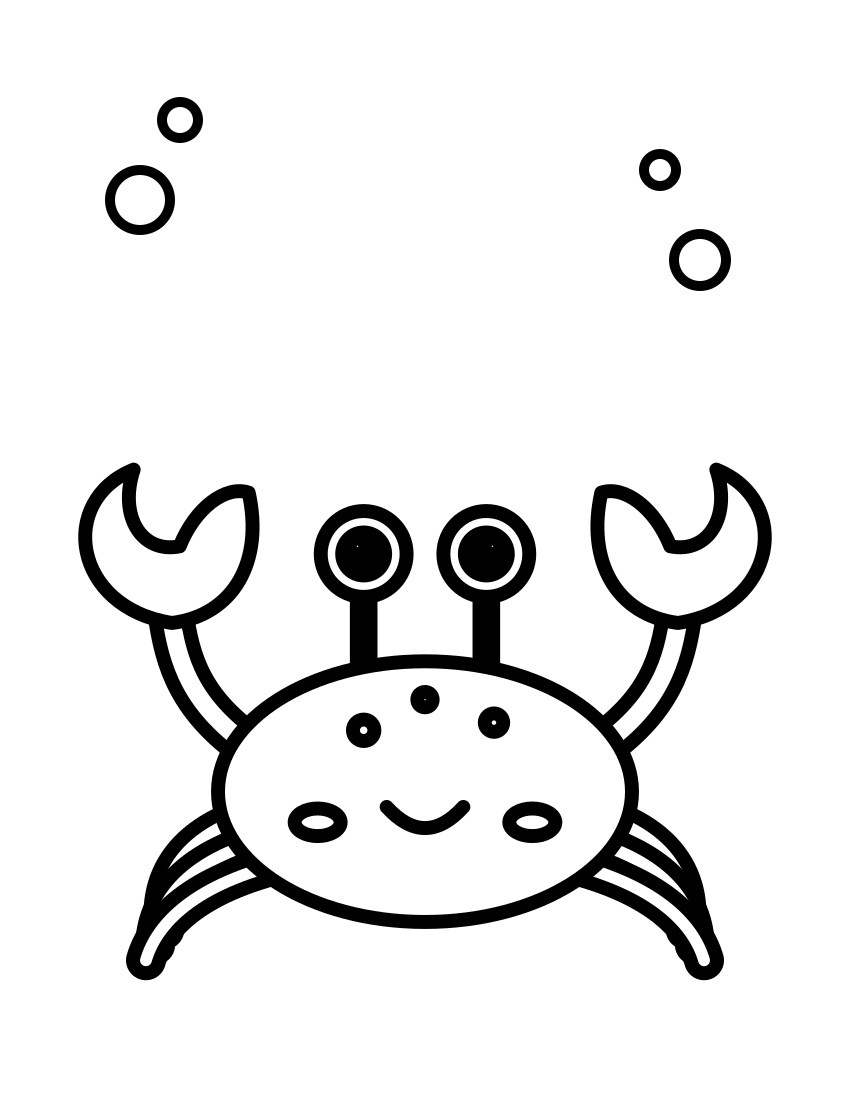
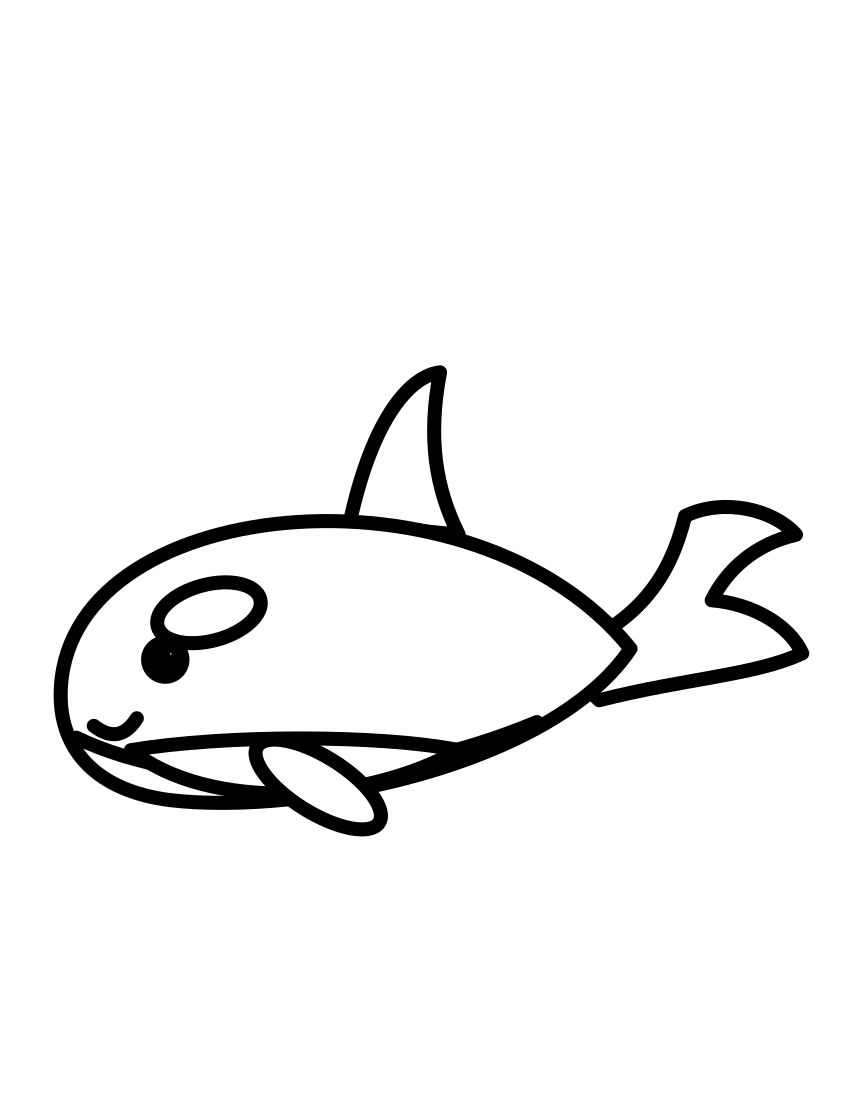
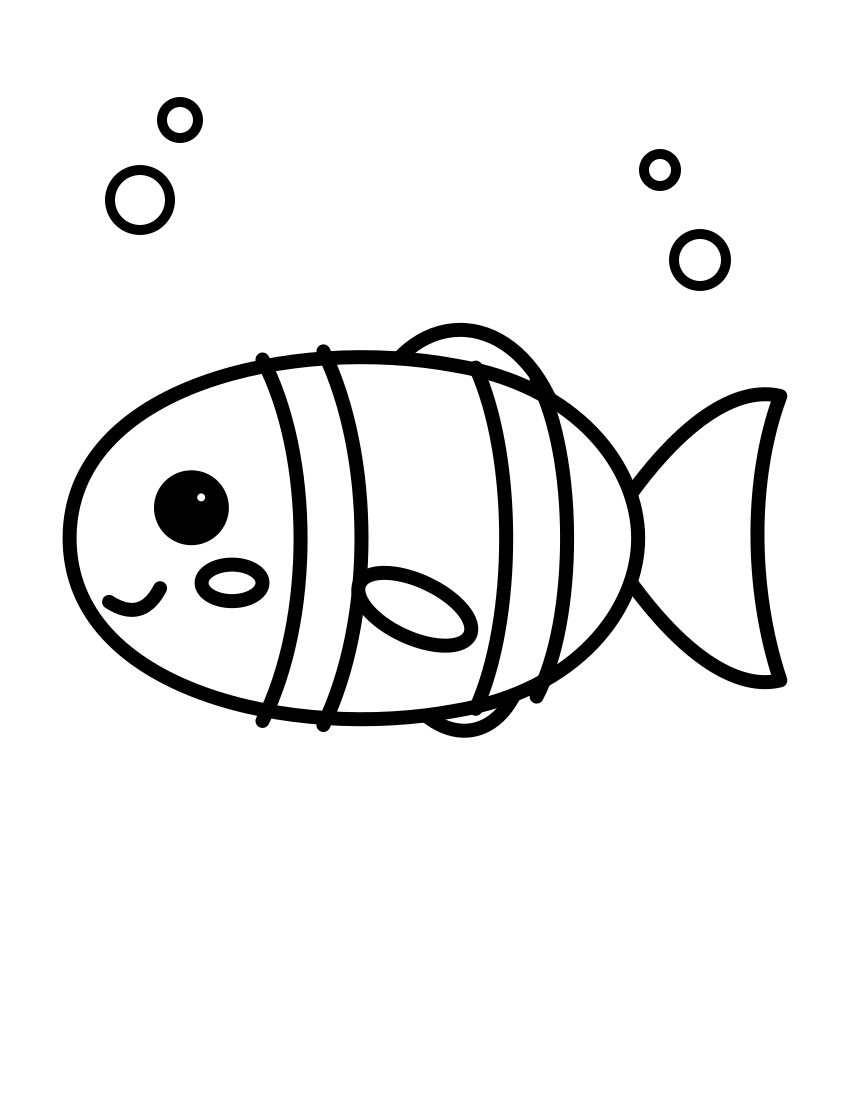
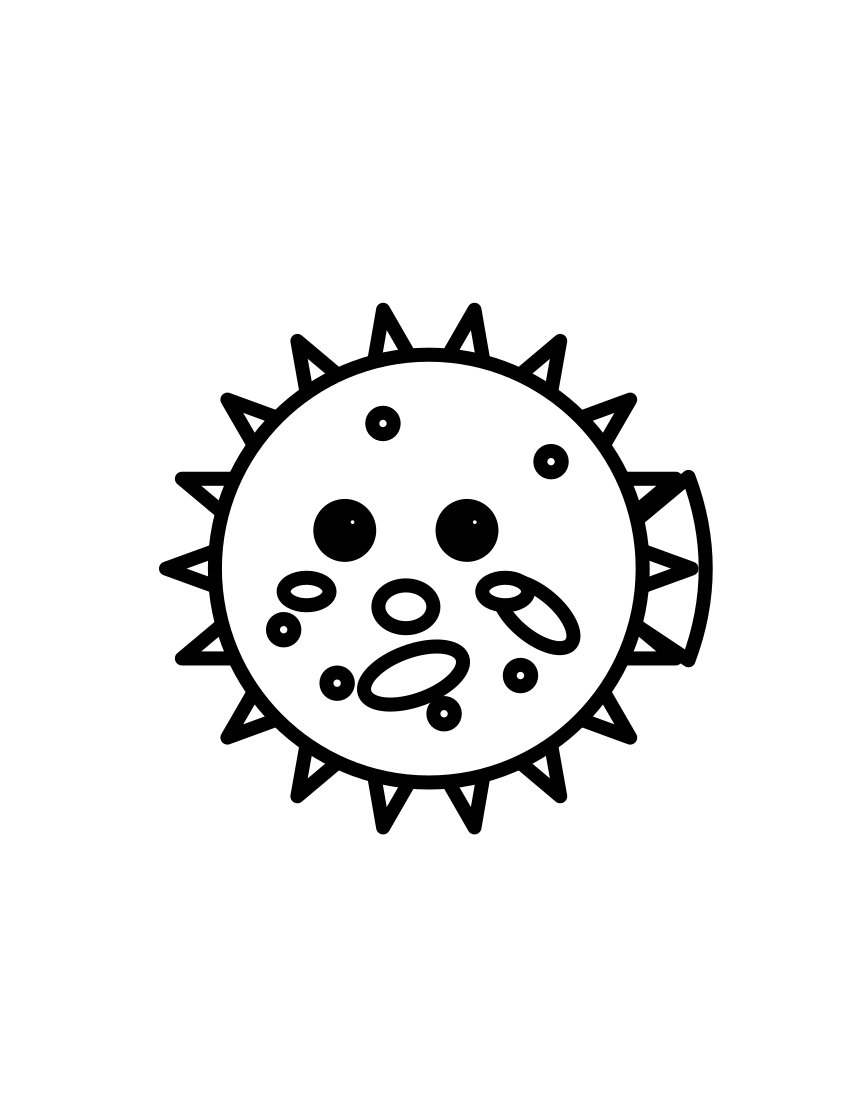
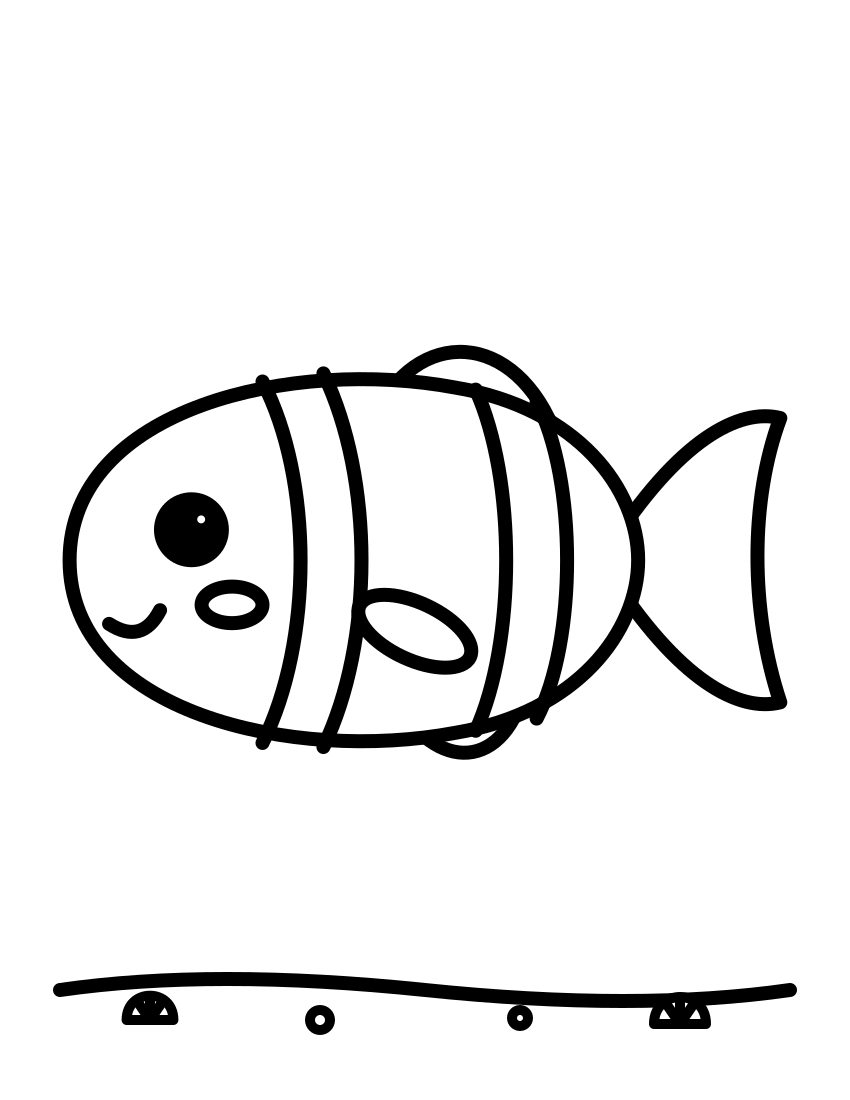
Ocean animals 192 pages
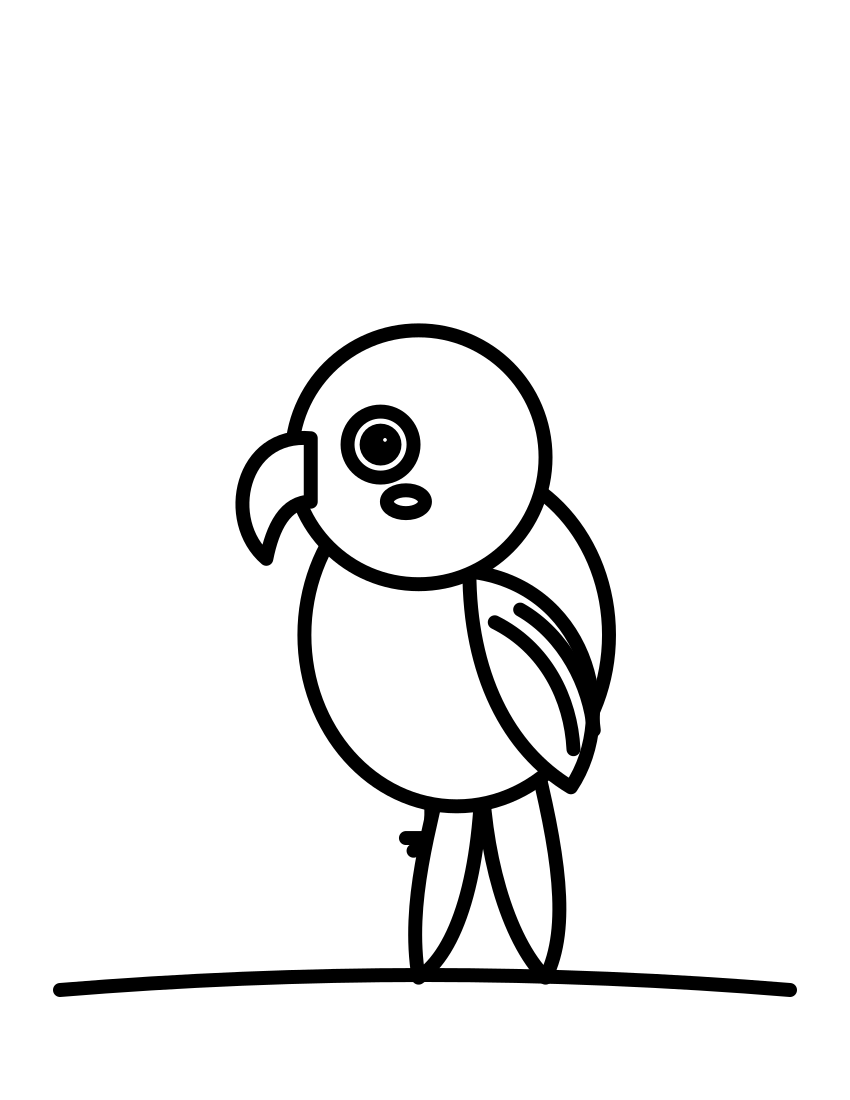
Birds 84 pages
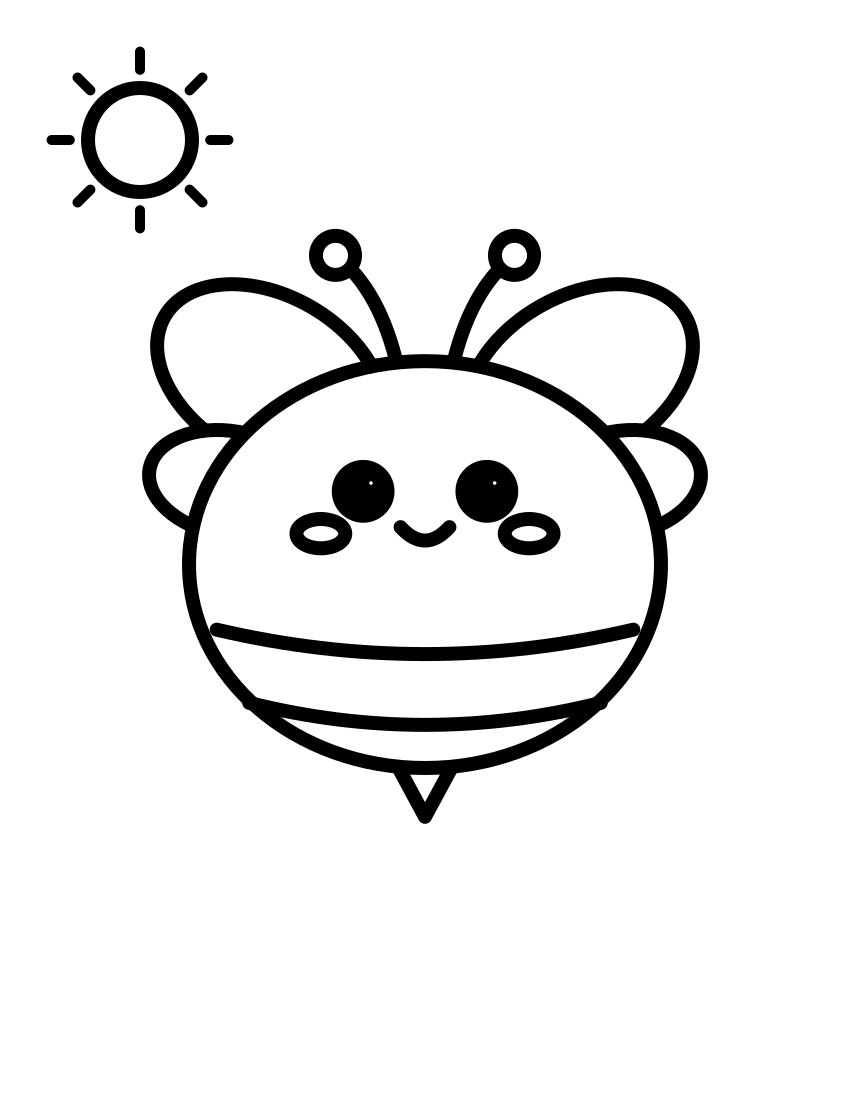
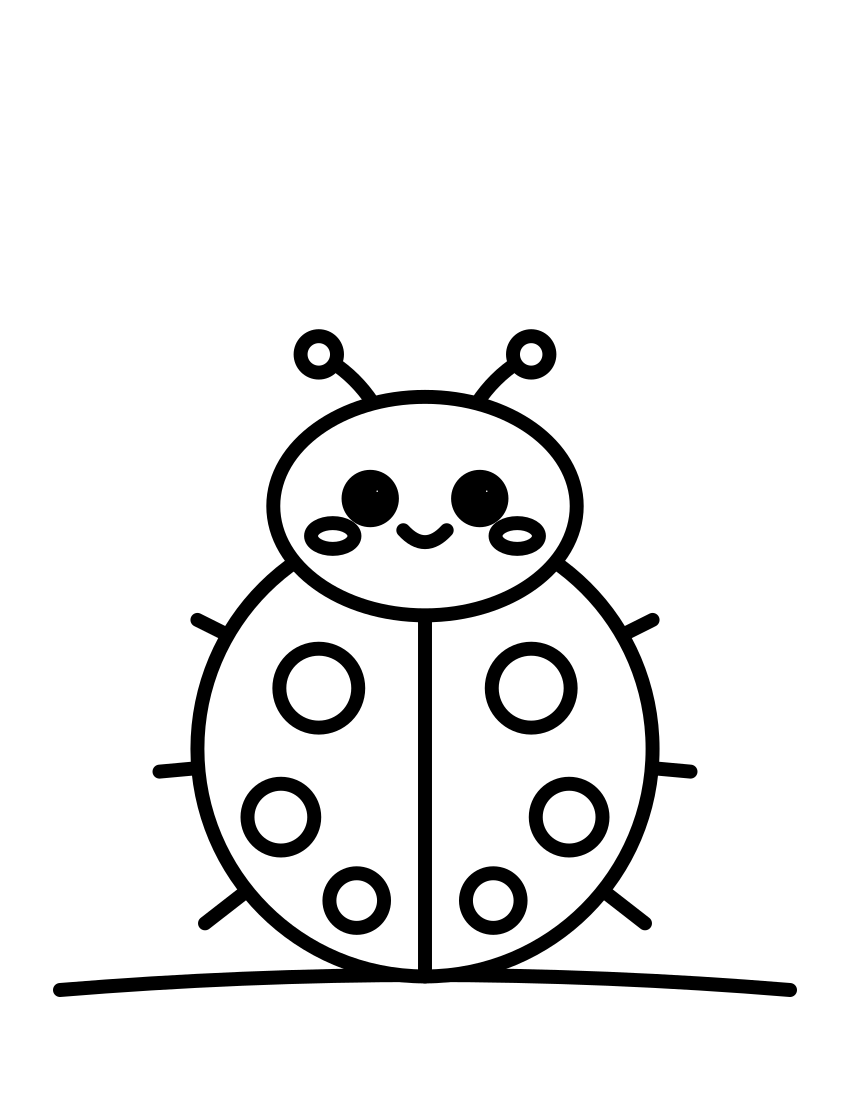
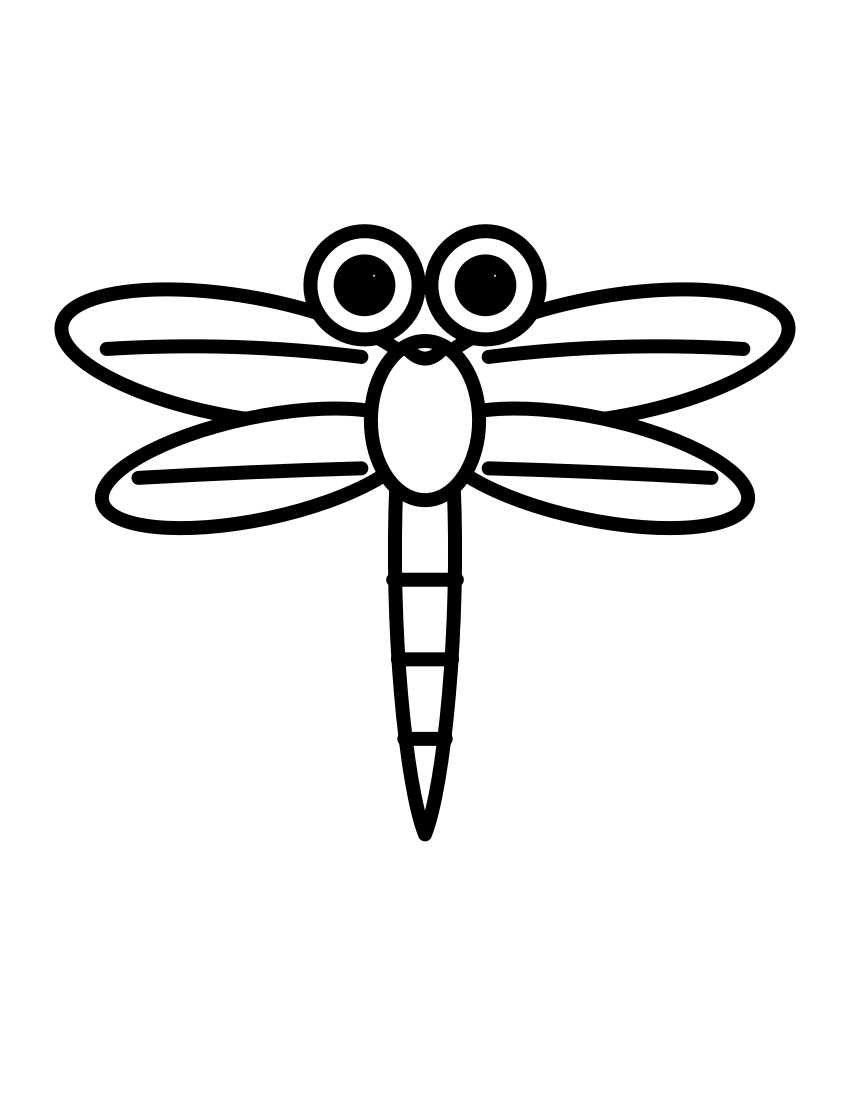
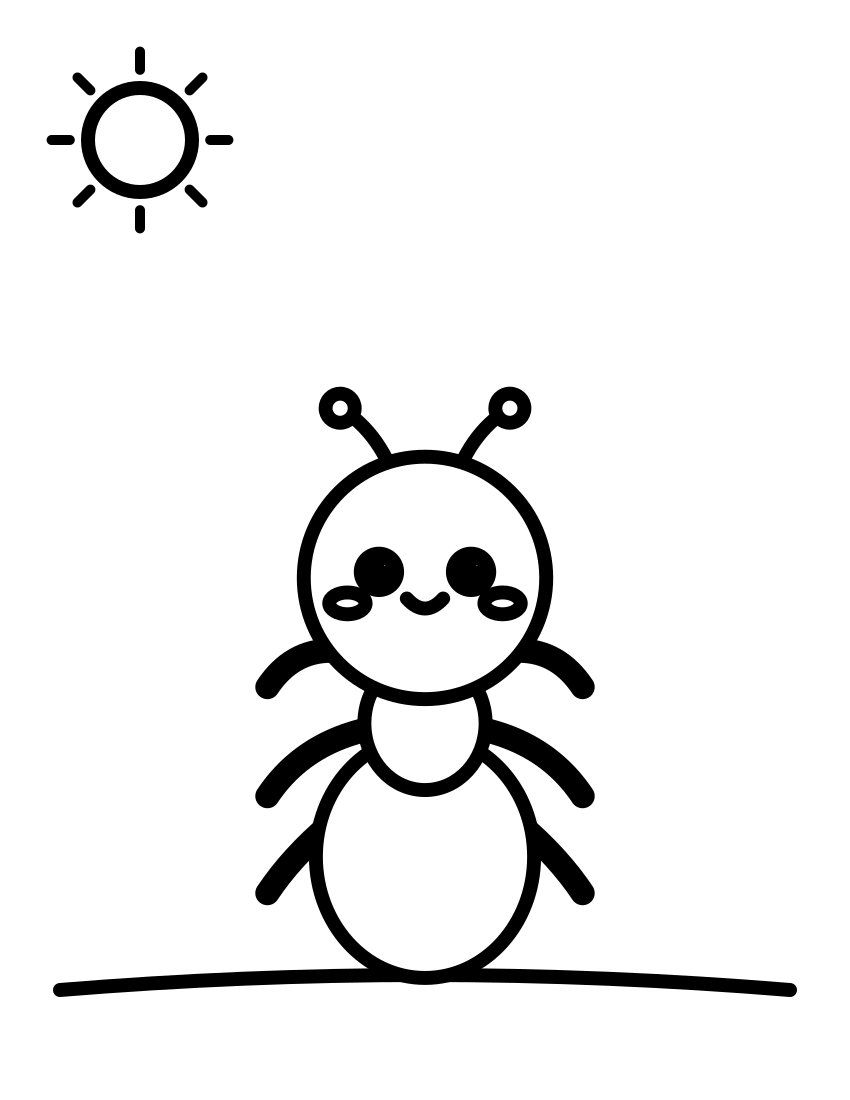
Bugs and insects 109 pages
Reptiles and amphibians 12 pages
Arctic animals 36 pages
Cute animals 24 pages
Pages to start with
-
 Cow face
Very simple
-
 Duck face
Very simple
-
 Bunny with a carrot
Easy
-
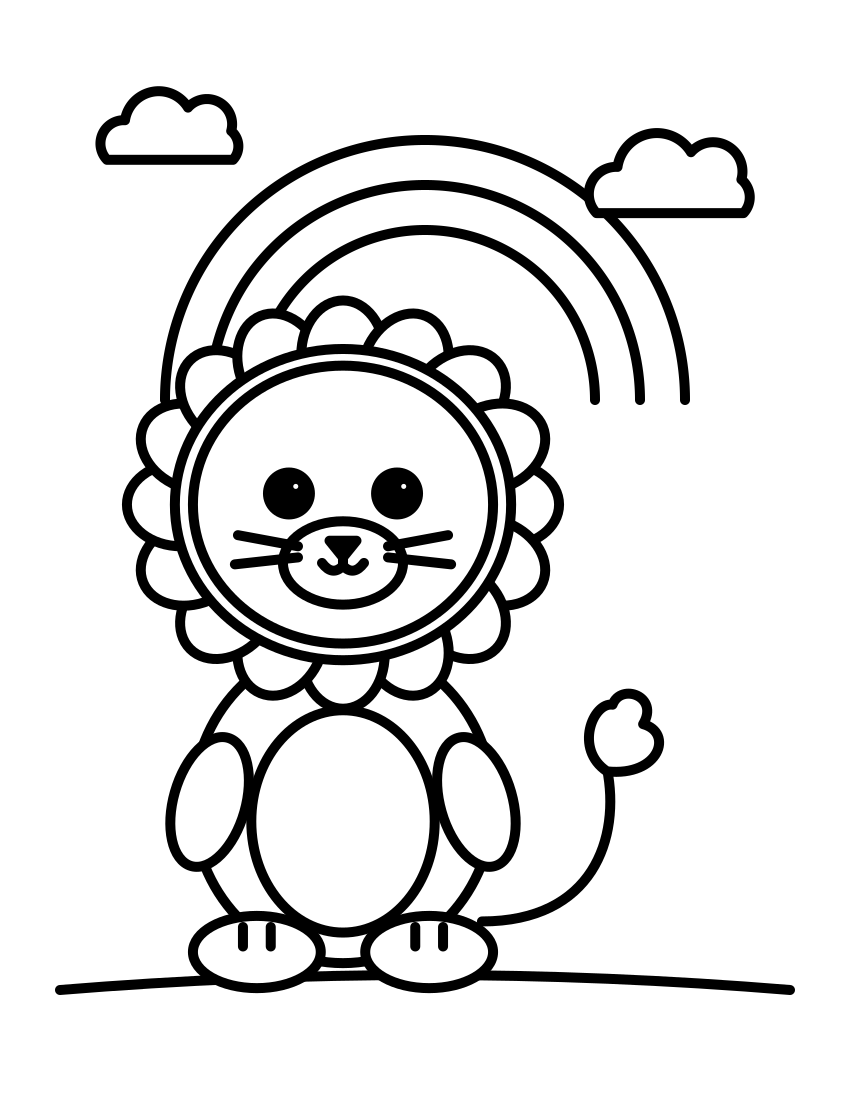 Lion under a rainbow
Easy
-
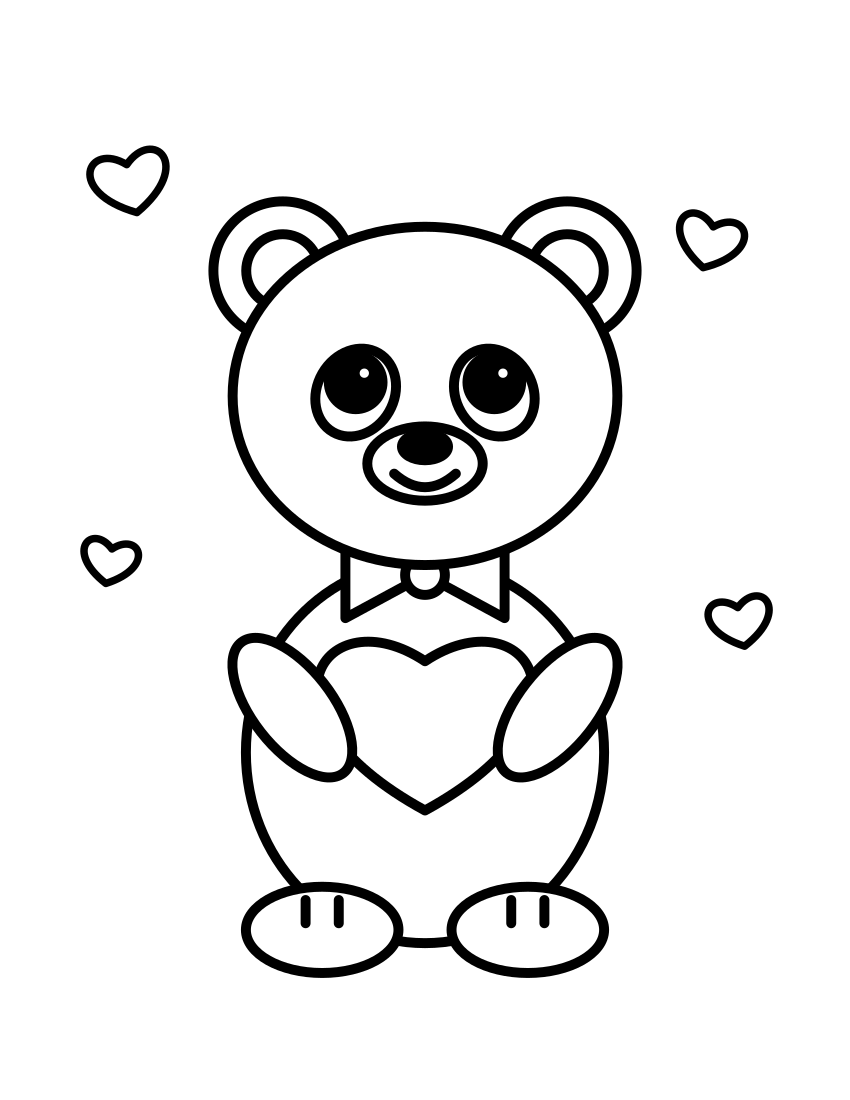 Valentine panda
Easy
-
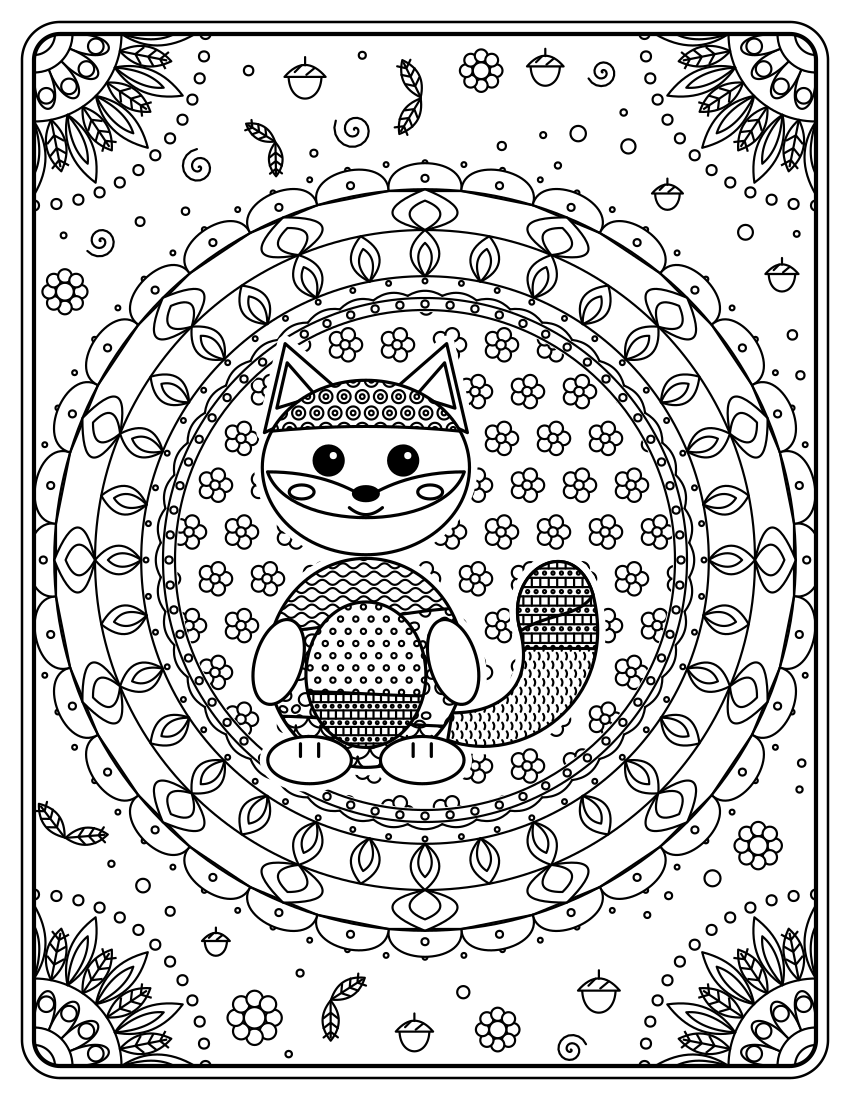 Fox mandala
Detailed
-
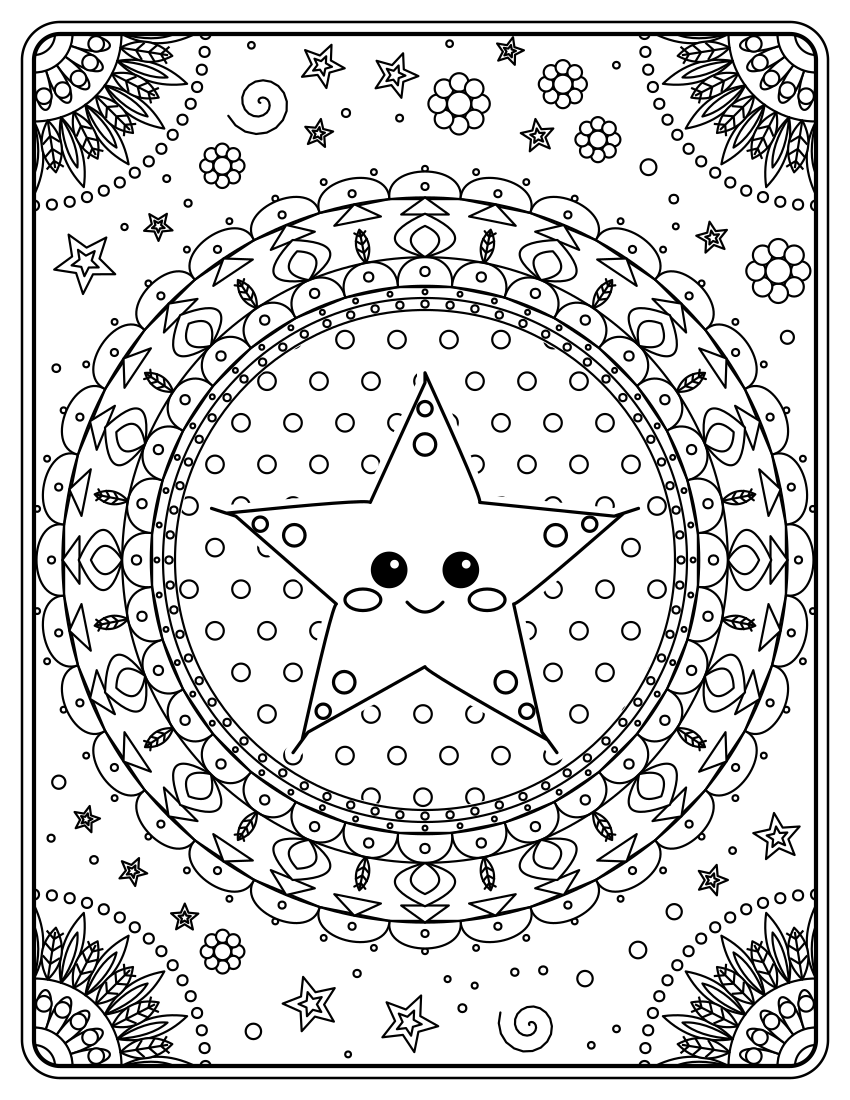 Starfish flower medallion
Detailed
-
 Cute sea turtle
Very simple
-
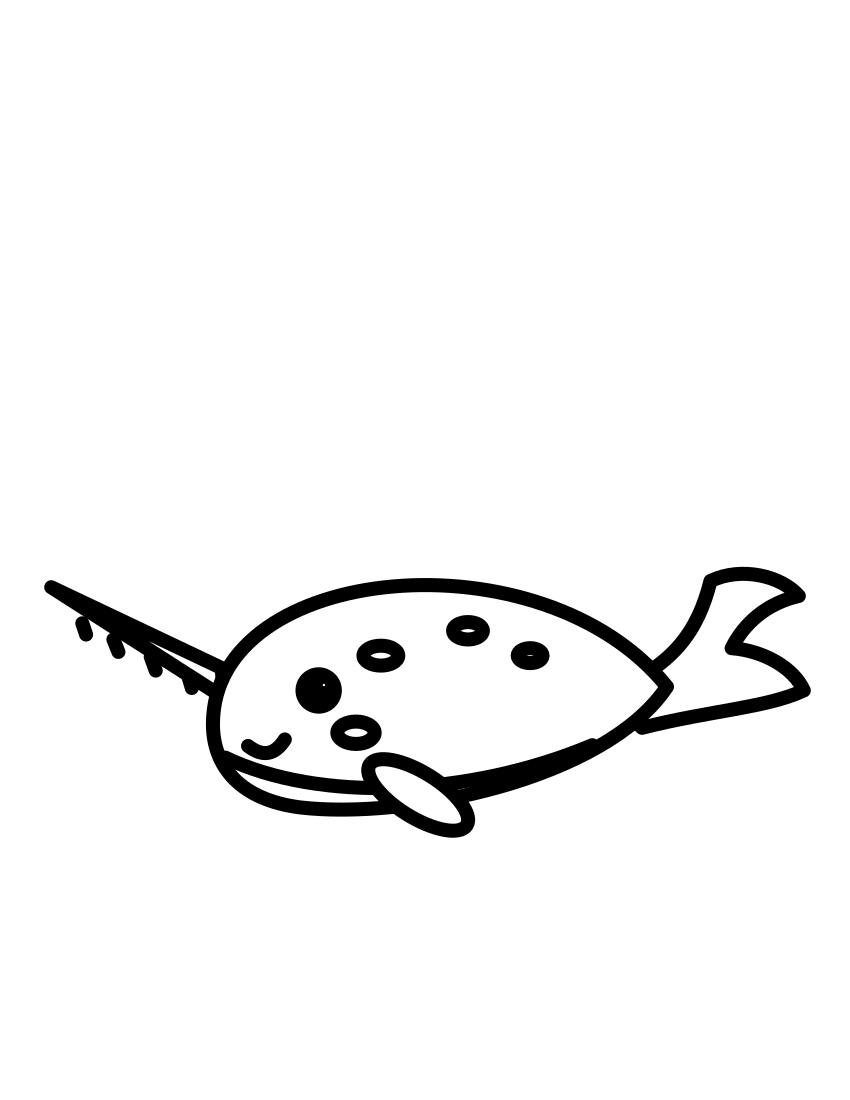
 Narwhal with bubbles
Very simple
-
 Flamingo with hearts
Very simple
-
 Cute bee
Very simple
-
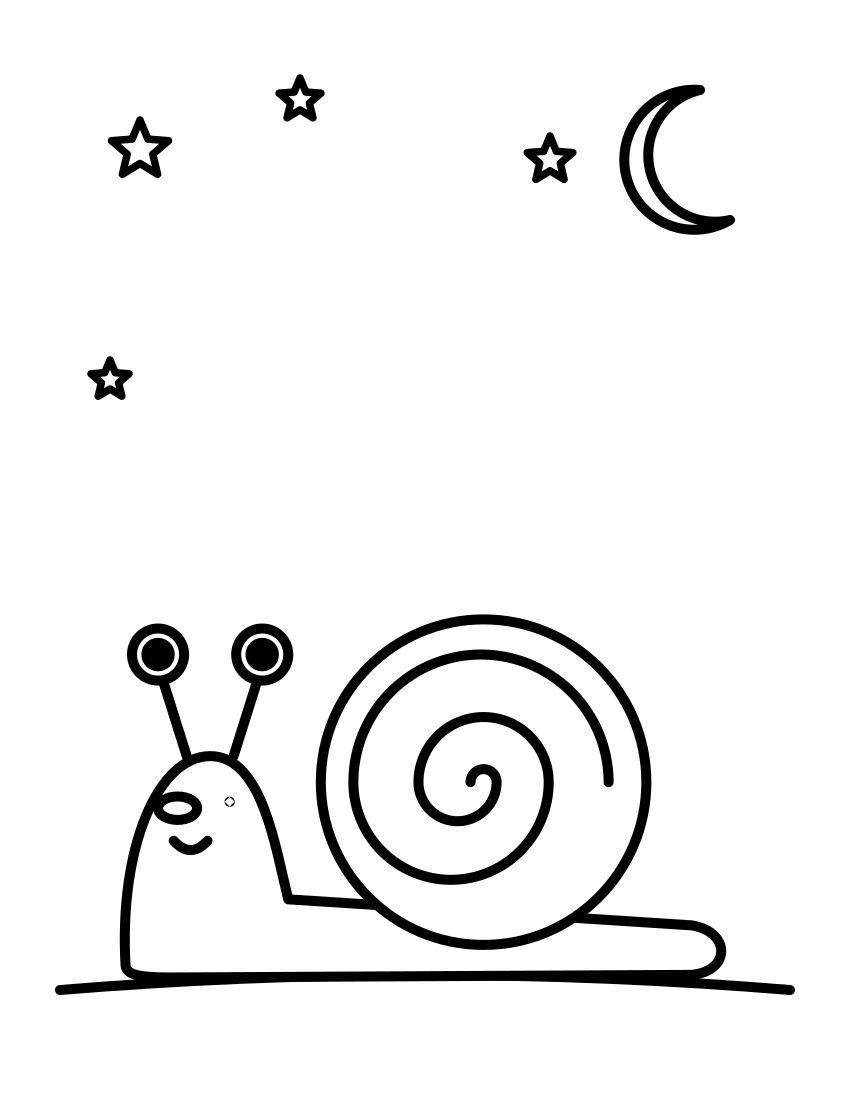 Snail at night
Easy
Toddlers usually start with animals they already know, like pets and farm animals with big, clear shapes. Preschoolers enjoy cute animals and bugs. From about age six, kids love the drama of wild animals, sharks and reptiles, and many ask for realistic colors. Ask what sound the animal makes, where it lives and what it eats, and you have a short science lesson while they color.
Keep a few real photos nearby, on a phone or in a library book, so kids can match the colors of fur, feathers and scales. A child who wants a purple cow can still have one.
Fun facts to share while you color
- Animals with backbones, like dogs, birds, fish and snakes, are called vertebrates.
- Insects have six legs and spiders have eight, so spiders are not insects.
- Penguins and ostriches are birds, but they cannot fly.
- Whales and dolphins live in the ocean, but they are mammals that breathe air.
Ways to use these animal pages
- Sort finished pages into groups such as farm, ocean and forest, and ask kids to explain why each animal belongs there.
- Play a guessing game: color only one part of an animal and let others guess which animal it is.
- Cut out colored animals and glue them onto a large paper background to build a zoo, farm or ocean scene.
- Make animal masks by cutting out a colored face and taping it to a craft stick.
Questions parents and teachers ask
Which animal coloring pages are easiest for toddlers?
Start with very simple pages of pets and farm animals, like a cat, dog, cow or duck. They have big shapes and thick lines that small hands can fill with chunky crayons.
How can animal coloring pages support a science lesson?
Pick animals from one habitat, such as the ocean or the arctic, and talk about how each one finds food, stays warm or hides. Kids can label body parts like fins, beaks or claws on the finished page.