Owl Coloring Pages
Owl coloring pages show big-eyed owls perched on branches, cute owlets and night forest scenes. Round, simple owls are easy for toddlers to fill in, and the detailed feather patterns keep older kids and adults busy.
Very simple owl coloring pages ages 2-4
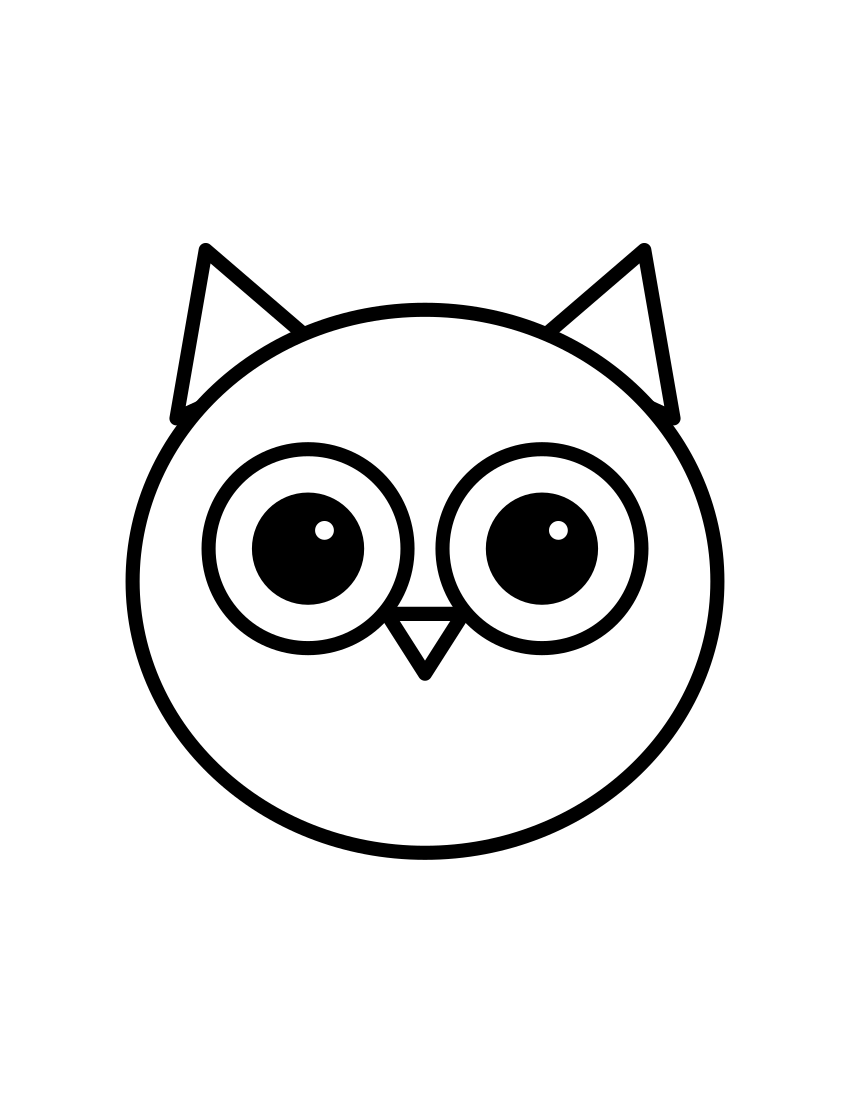
Easy owl coloring pages ages 3-6
Medium owl coloring pages ages 6-10
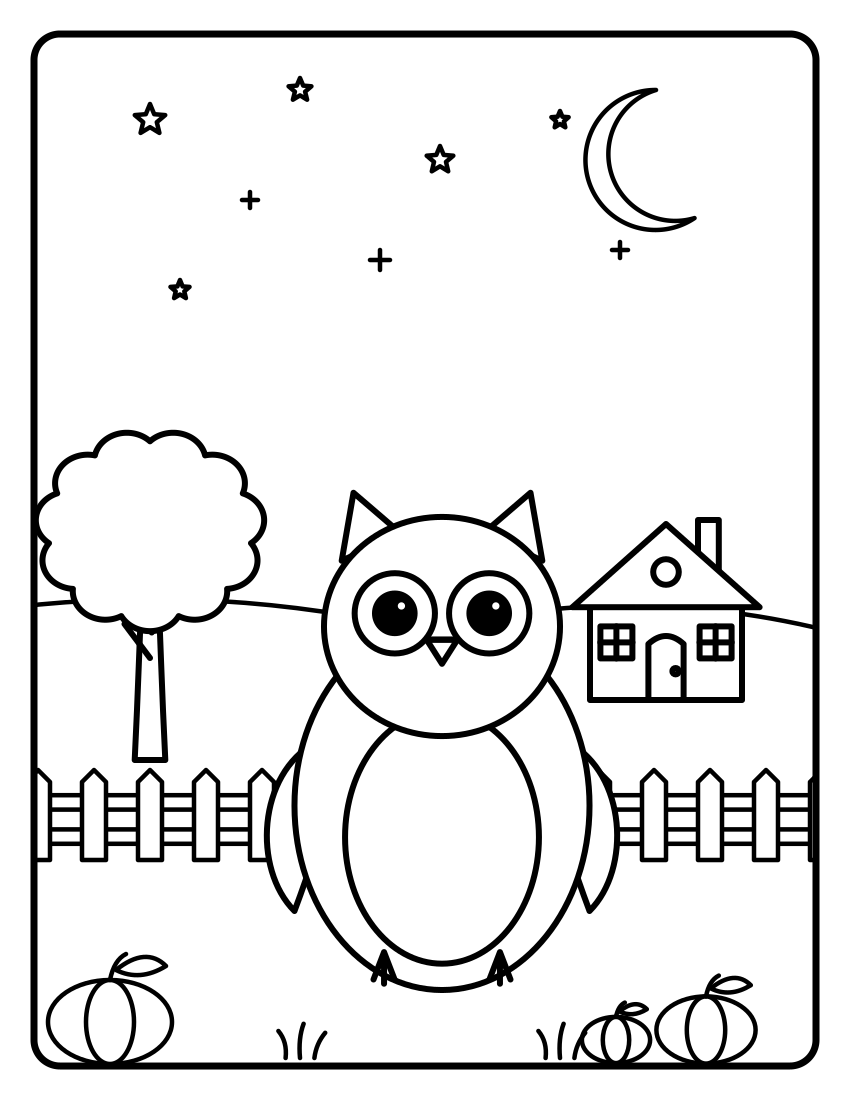
Detailed owl coloring pages ages 10+ and adults
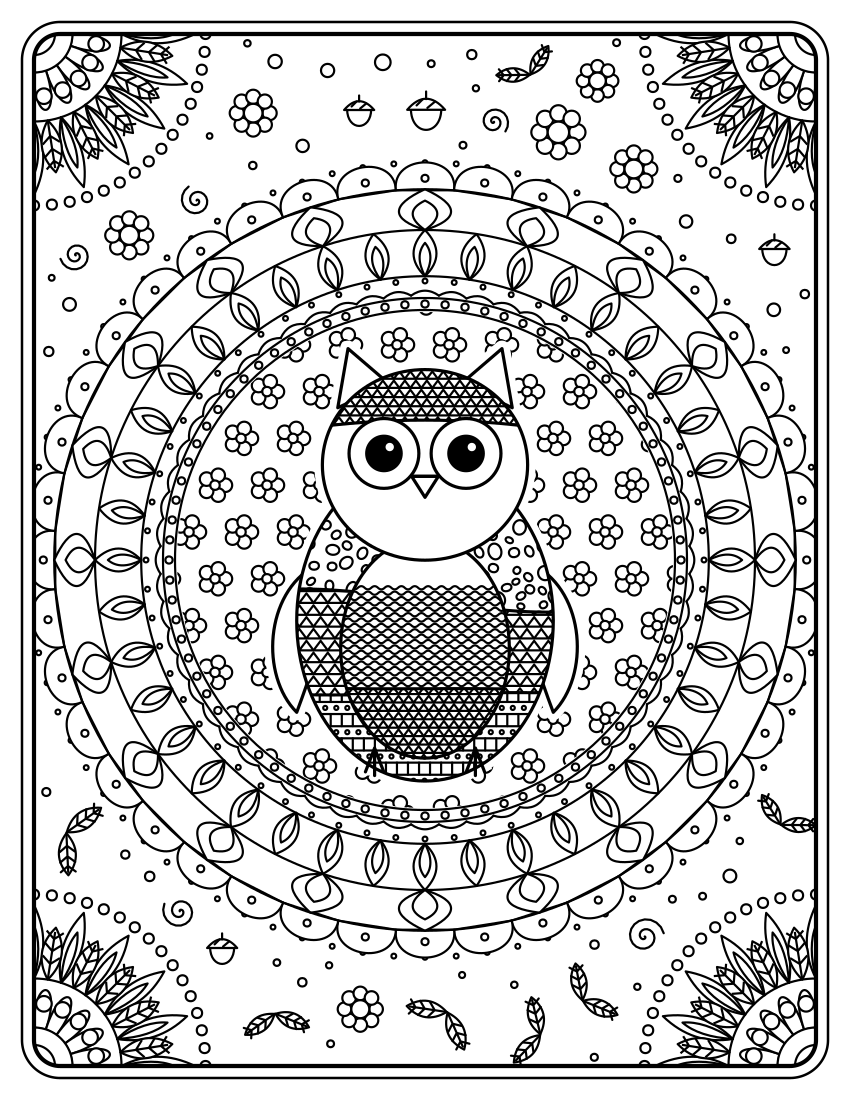
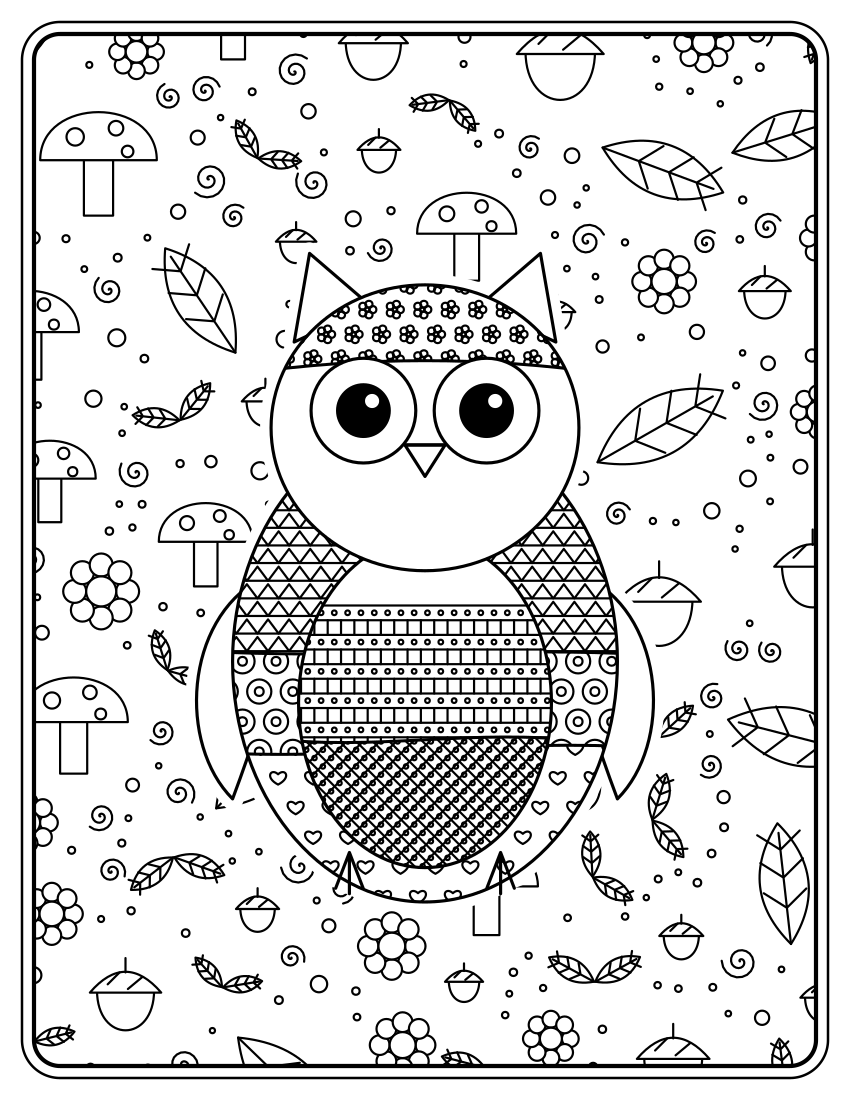
More ways to browse
Children are drawn to an owl's huge eyes and the way it can turn its head to look behind itself. While coloring, talk about why owls are awake at night and sleep in the daytime, and how their soft feathers let them fly almost silently. Real owls come in browns, grays, tans and white, but owl pages are also a favorite place for bright, made-up feather colors.
Feather patterns have lots of small spaces. Fine-tip markers or sharpened colored pencils make them easier to fill. For a night look, color a dark sky and keep the owl's eyes bright yellow or orange so they stand out.
Fun facts to share while you color
- Most owls hunt at night and sleep during the day.
- Owls cannot move their eyes, so they turn their heads very far to look around.
- Soft edges on an owl's feathers help it fly almost without a sound.
- A baby owl is called an owlet.
- The snowy owl has white feathers and lives in cold places in the far north.
Ways to use these owl pages
- Turn a finished owl into a bookmark by cutting it out and gluing it to a strip of card.
- Color an owl family and use it to practice counting, size order and the words big, bigger and biggest.
- Pair the page with a fall or nighttime animals lesson and sort animals into day and night groups.
- Have kids make up a story about what their owl sees when it flies over the forest at midnight.
Questions parents and teachers ask
What colors are real owls?
Most owls are brown, gray, tan and white, with streaks and spots that help them blend in with tree bark. Many have yellow or orange eyes, and the snowy owl is mostly white.
Why are owl coloring pages popular for fall?
Owls fit autumn and Halloween themes, especially with a full moon and bare branches. They also fit a fall unit on nighttime animals.
Can owls really turn their heads all the way around?
Not all the way, but close. Many owls can turn their heads about three-quarters of the way around, which helps them see because their eyes cannot move in their sockets.