Number 1 Coloring Pages
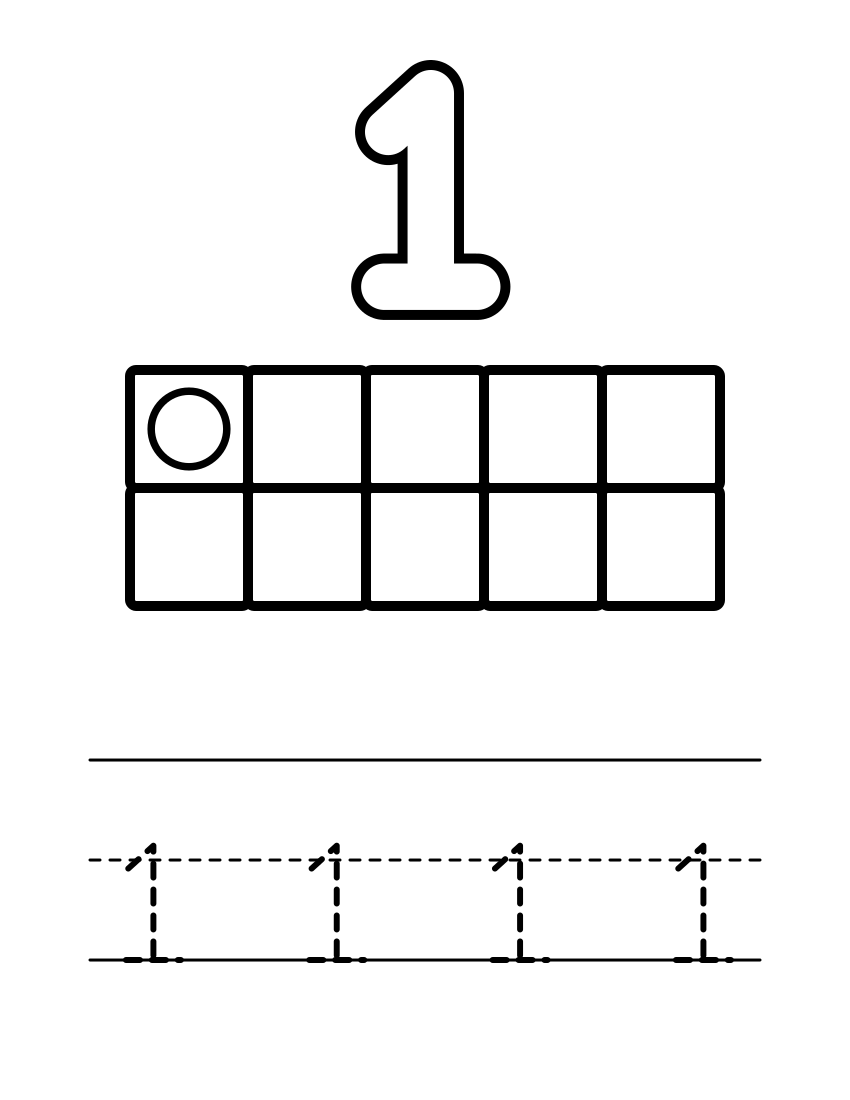
Number 1 coloring pages feature a large, bold 1 that is easy for toddlers and preschoolers to color. They are a good first step in number learning, with one object to count and one simple line to trace.
Very simple number 1 coloring pages ages 2-4
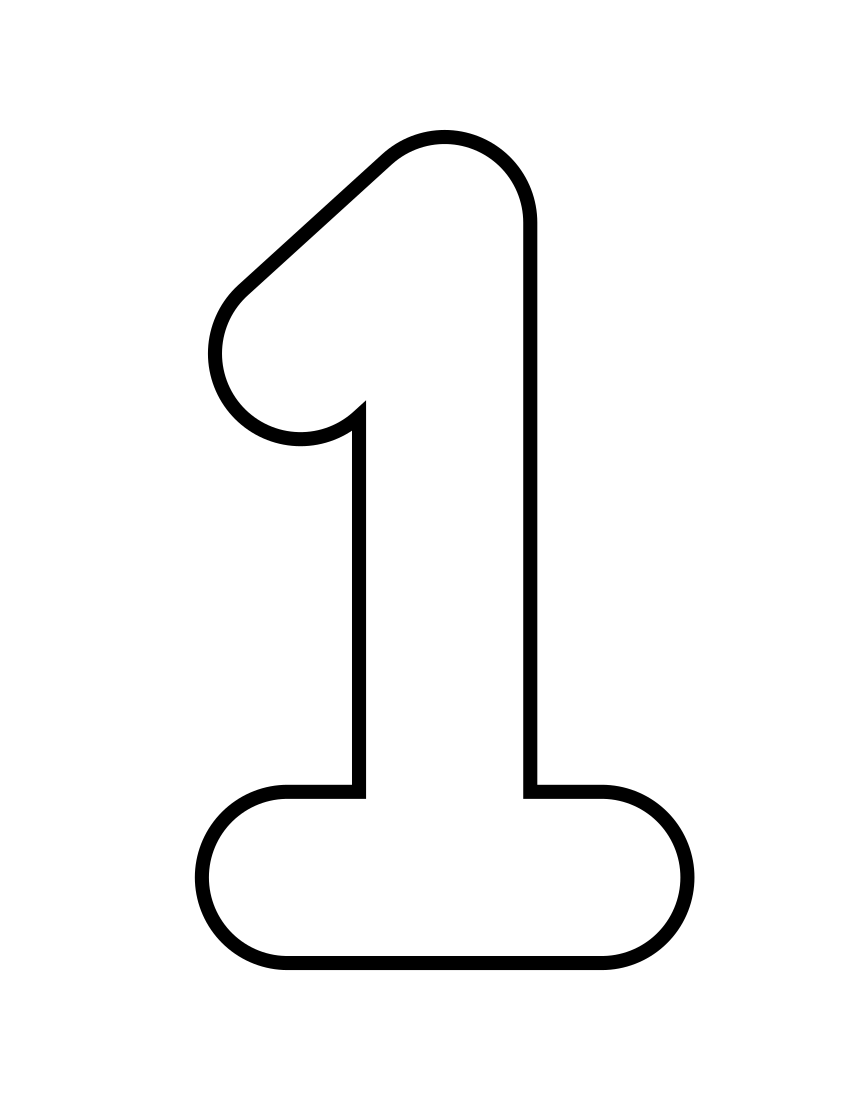
Easy number 1 coloring pages ages 3-6
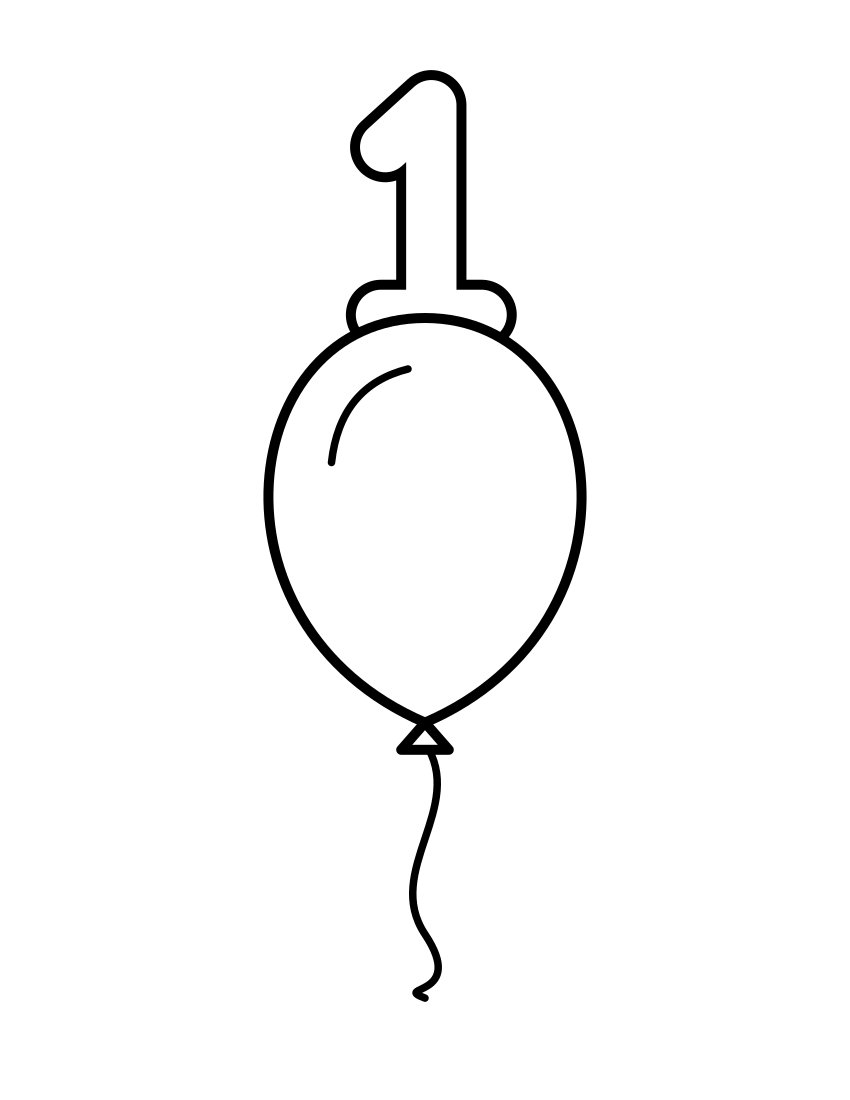
Medium number 1 coloring pages ages 6-10
Detailed number 1 coloring pages ages 10+ and adults
The number 1 is a great place to start because children already know it from their own bodies: one nose, one mouth, one belly button. Ask your child to name things there is only one of in the room. Talk about being first in line or coming in first place. Writing a 1 is the easiest numeral, a straight line from top to bottom, which builds confidence for harder numbers later.
Thick crayons or chunky markers work well here. The 1 is narrow, so a wide tool lets younger children fill it without frustration. Older siblings can add a tiny flag at the top and a base line underneath, which is how many schools teach it.
Fun facts to share while you color
- One is the first counting number.
- When you multiply any number by 1, the answer is the same number.
- One is an odd number, because it cannot be split into two equal whole groups.
- Earth has one moon.
- The winner of a race gets first place, which is written 1st.
Ways to use these number 1 pages
- Go on a one hunt and find things there is only one of, such as one clock or one door, then draw one beside the 1.
- Color the 1 and turn it into a tall tree, a candle or a pencil by adding a few details.
- Make a gold first-place ribbon from the finished page for a family game or a sibling race.
- Start a number book with this page and add a new number each week.
Questions parents and teachers ask
What age should a child learn to write the number 1?
Many children can draw a straight line around age 3, which is all a 1 needs. Writing it on purpose usually comes in preschool, between 3 and 5.
How should kids write the number 1?
Start at the top and pull straight down. Some teachers add a small slanted flag at the top or a line at the bottom, so match whatever style your child sees at school.