Number Coloring Pages
Number coloring pages cover 0 through 10, each with a large numeral and pictures to count. Very simple versions help toddlers recognize number shapes, and busier pages give preschoolers and kindergartners counting practice.

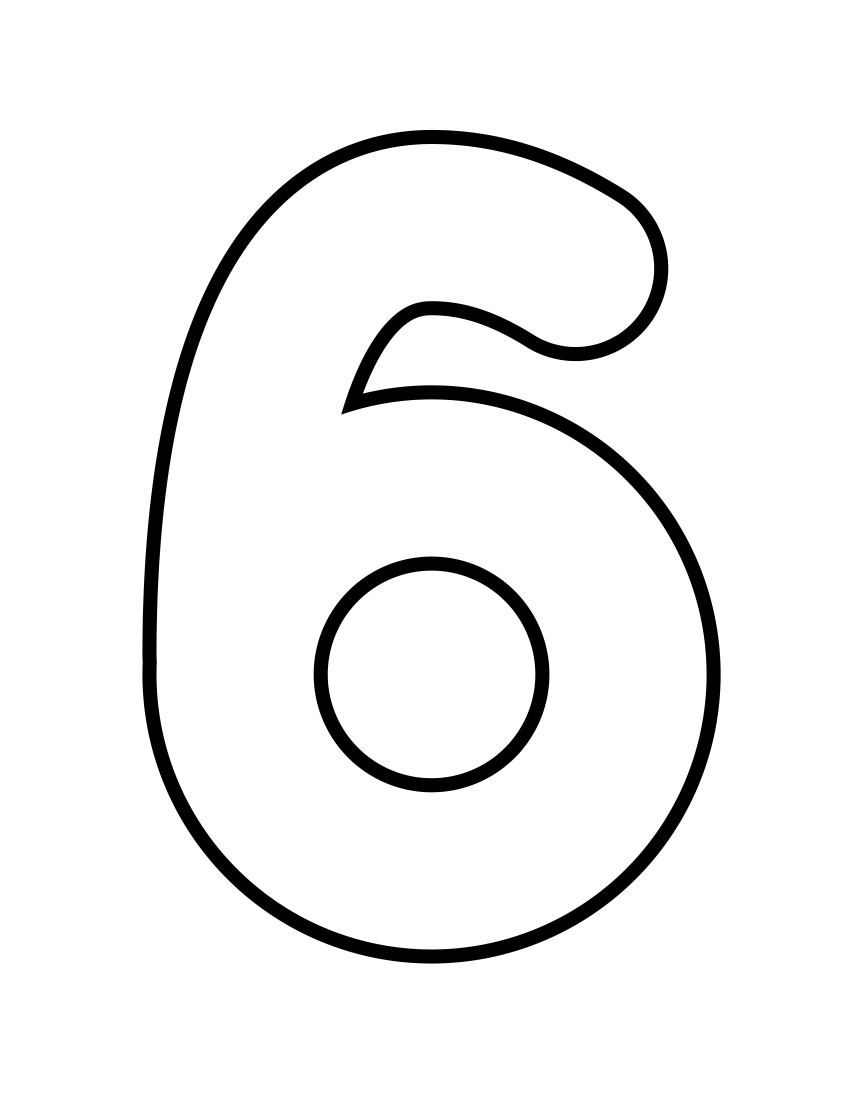
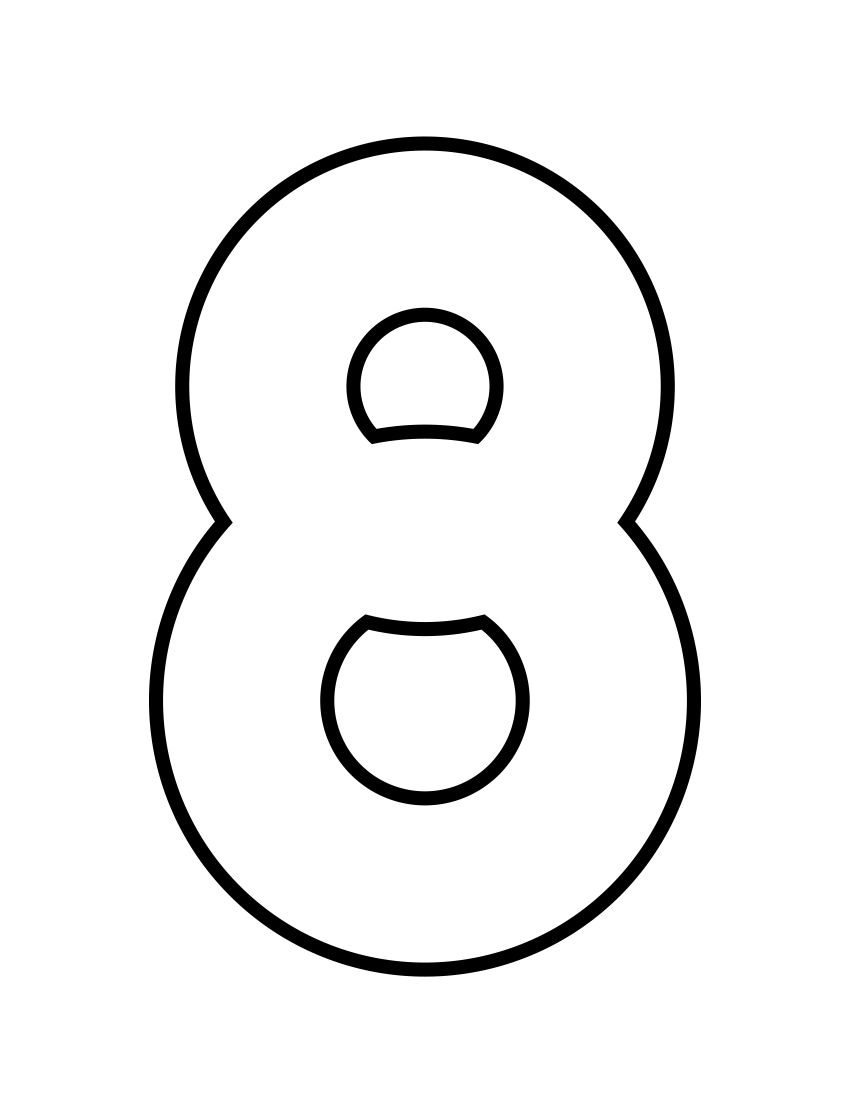
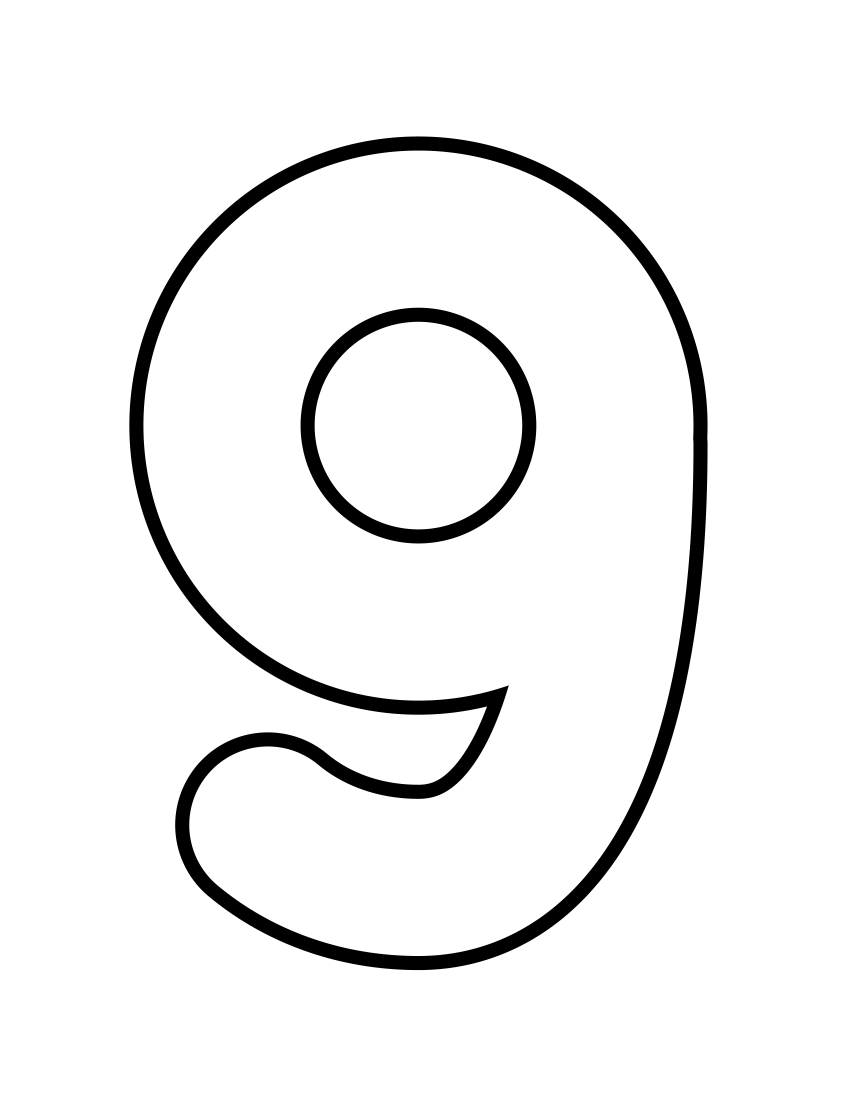

Pages to start with
-
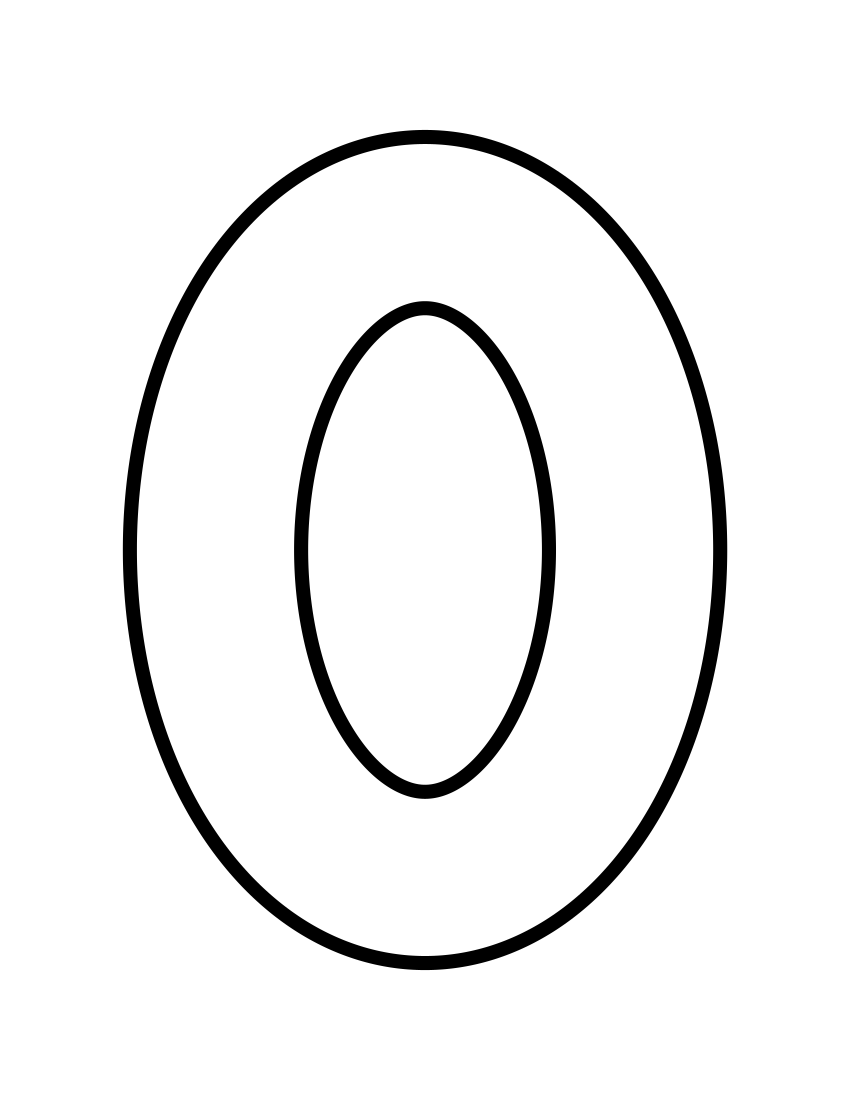 Big number 0
Very simple
-
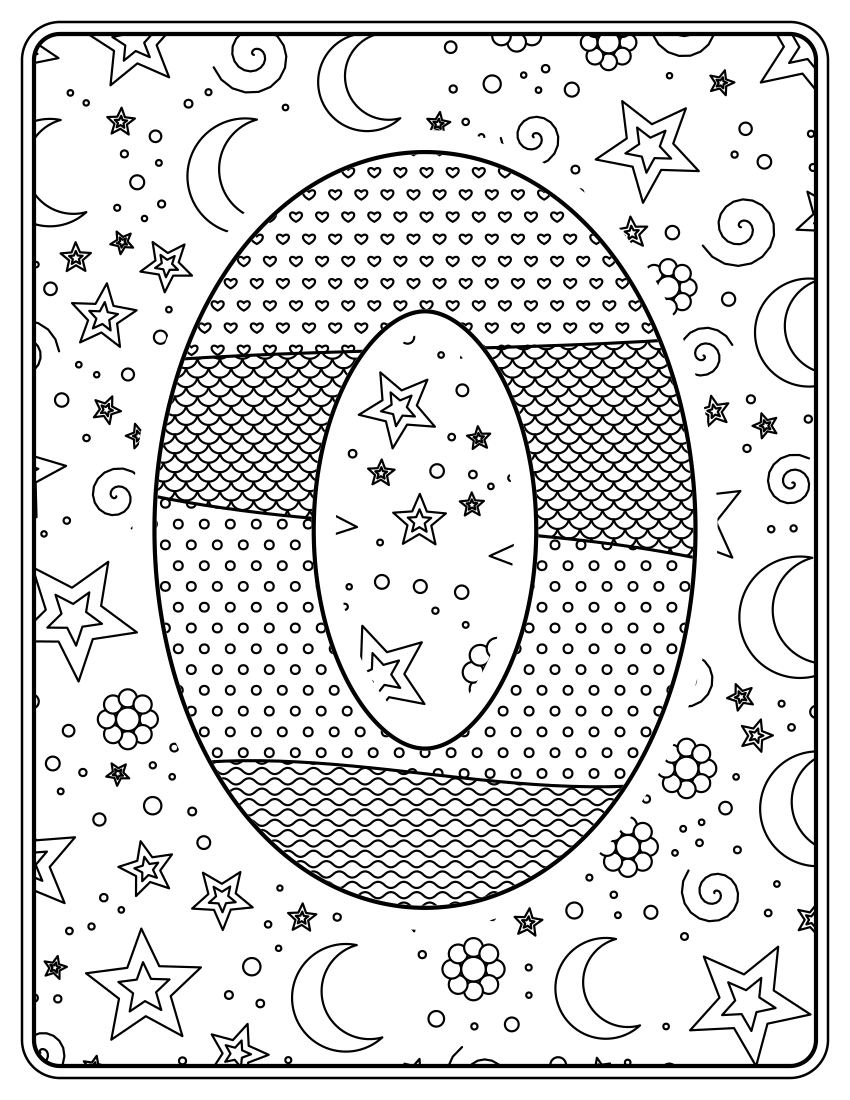 number 0 zentangle
Detailed
-
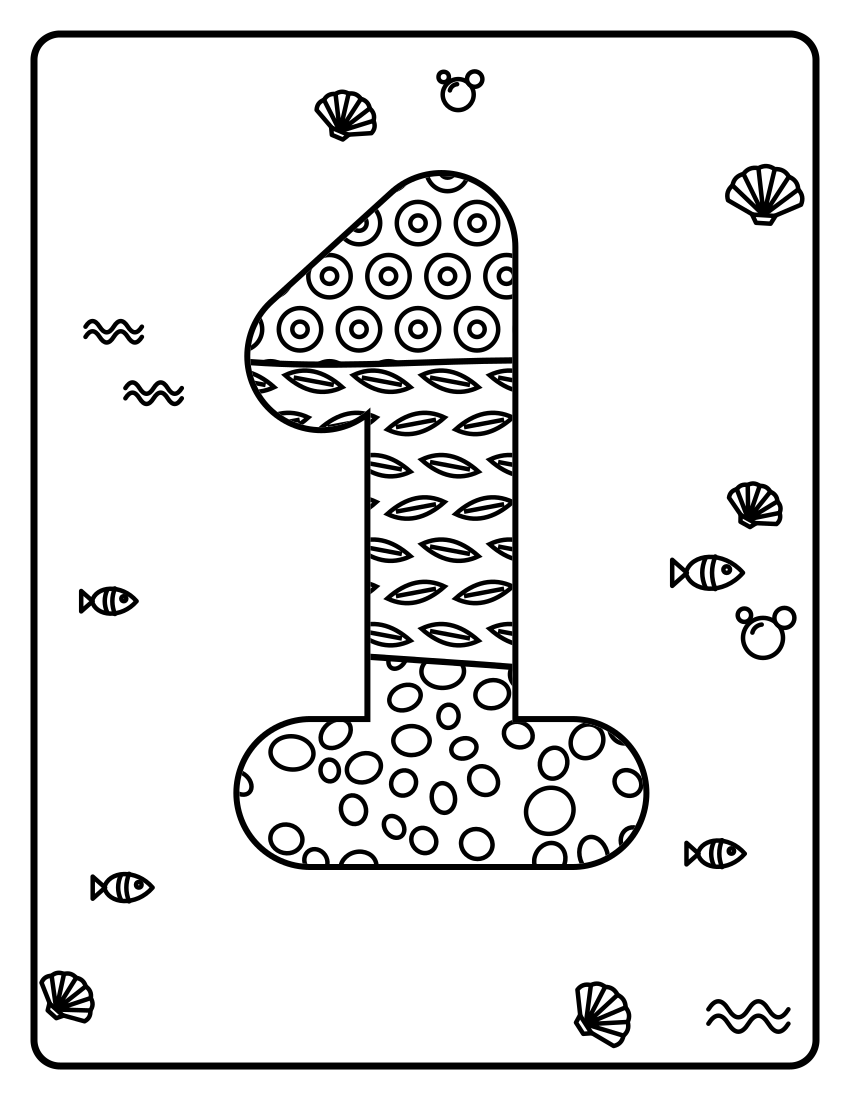 number 1 with patterns
Medium
-
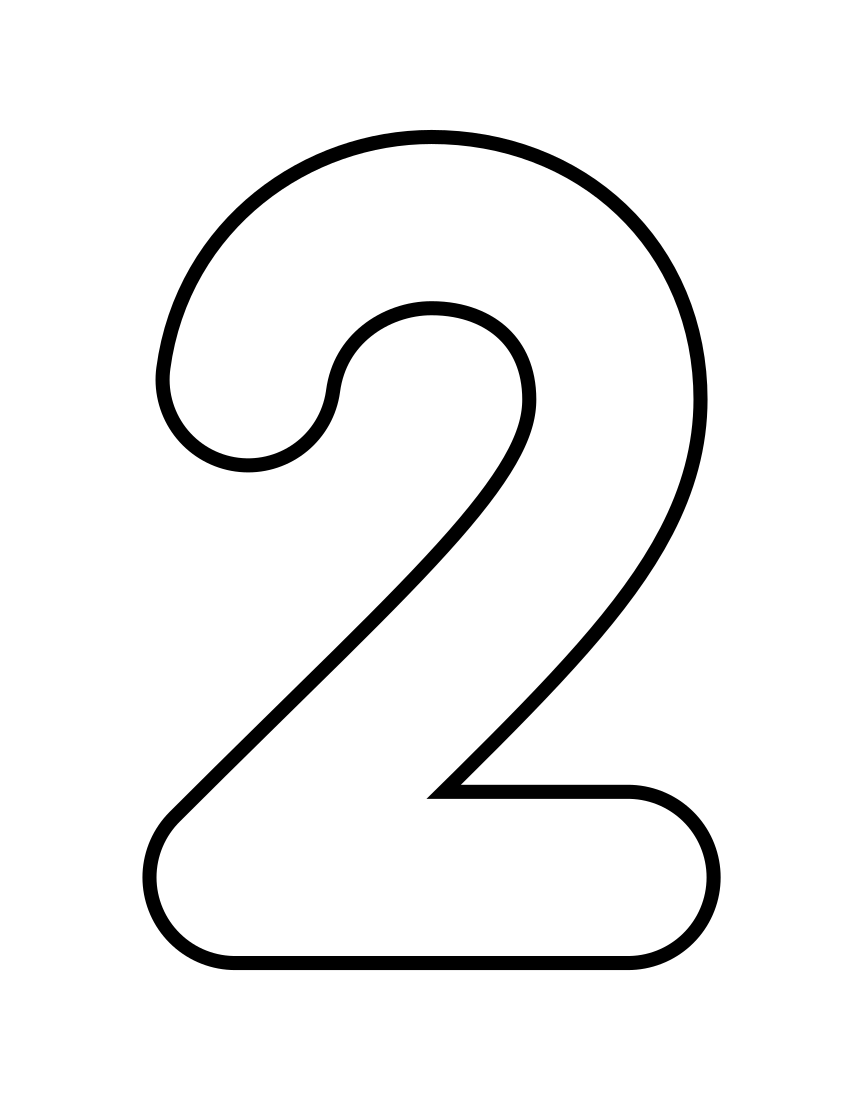
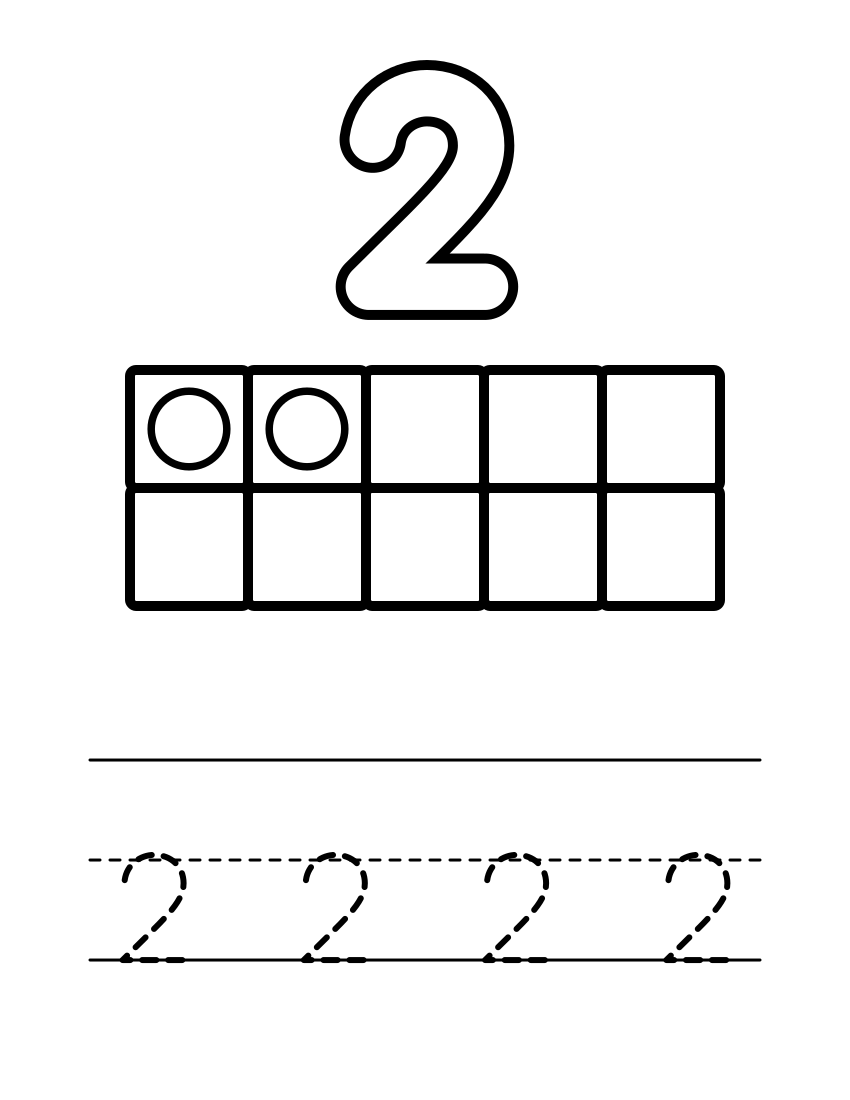 Trace the number 2
Easy
-
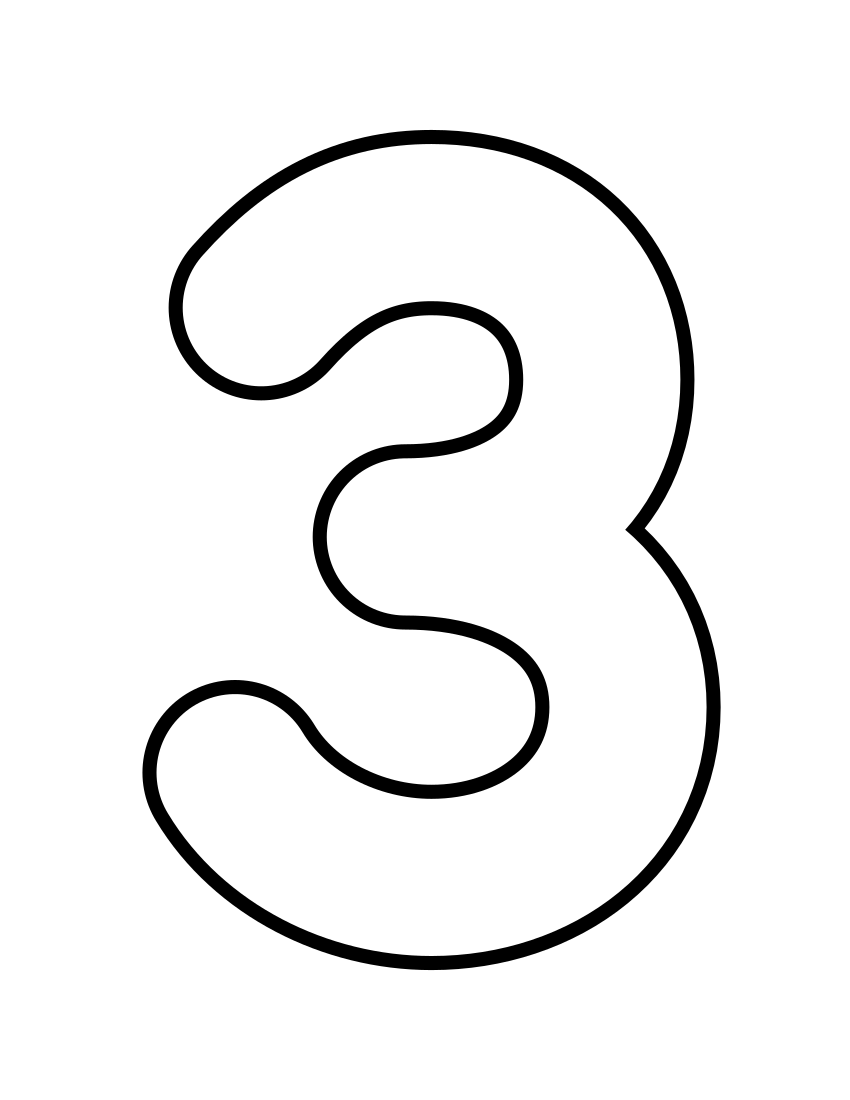
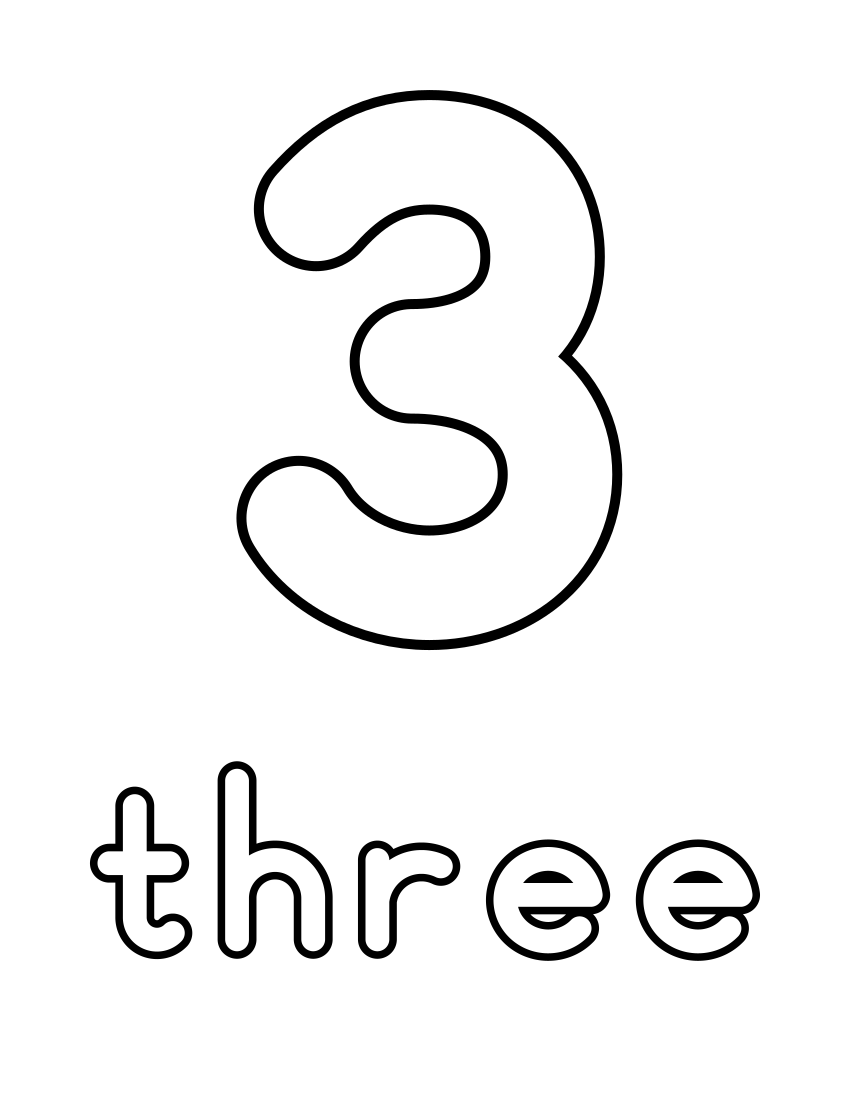 Number 3 and the word three
Easy
-
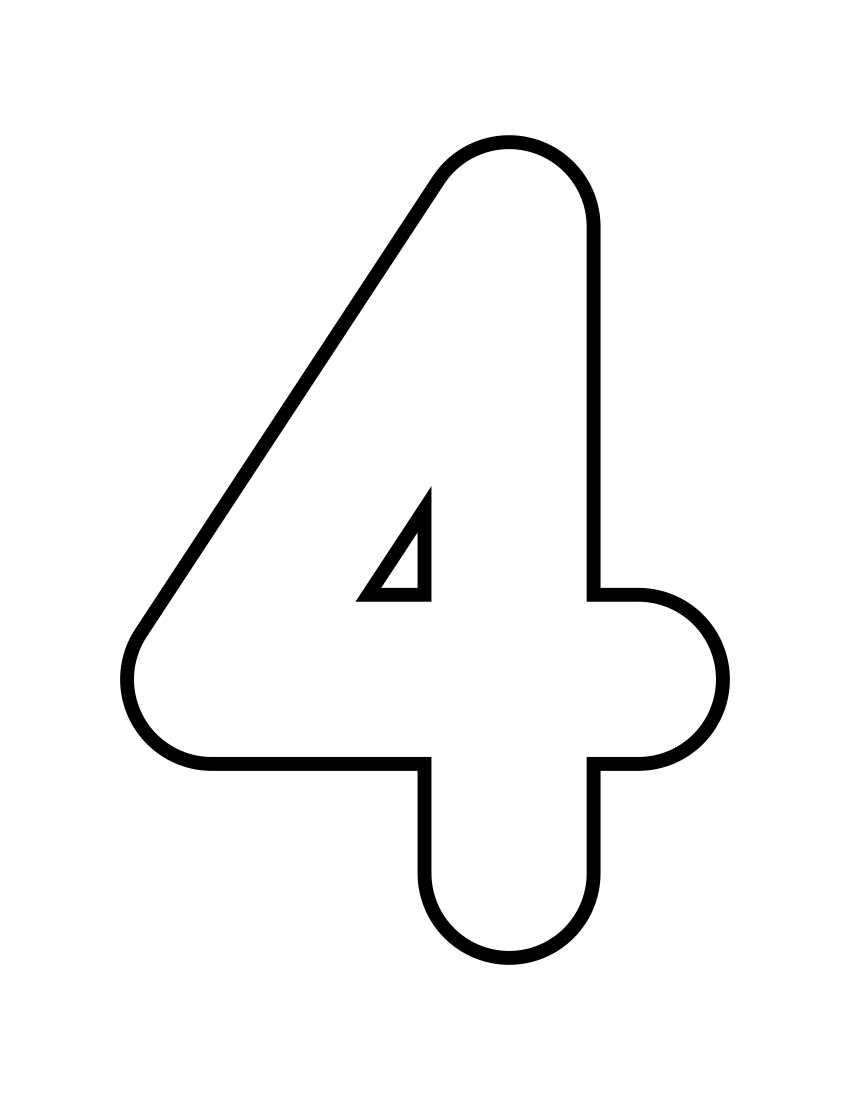
 Count 4 stars
Easy
-
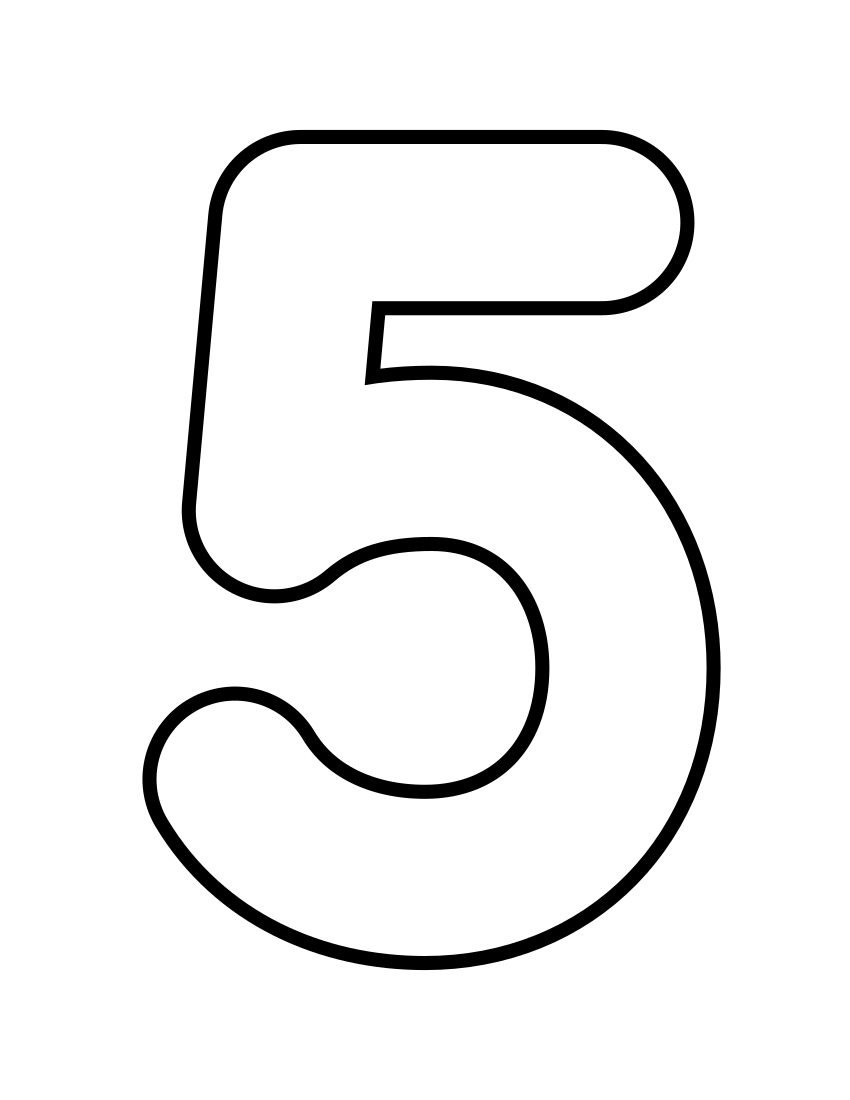
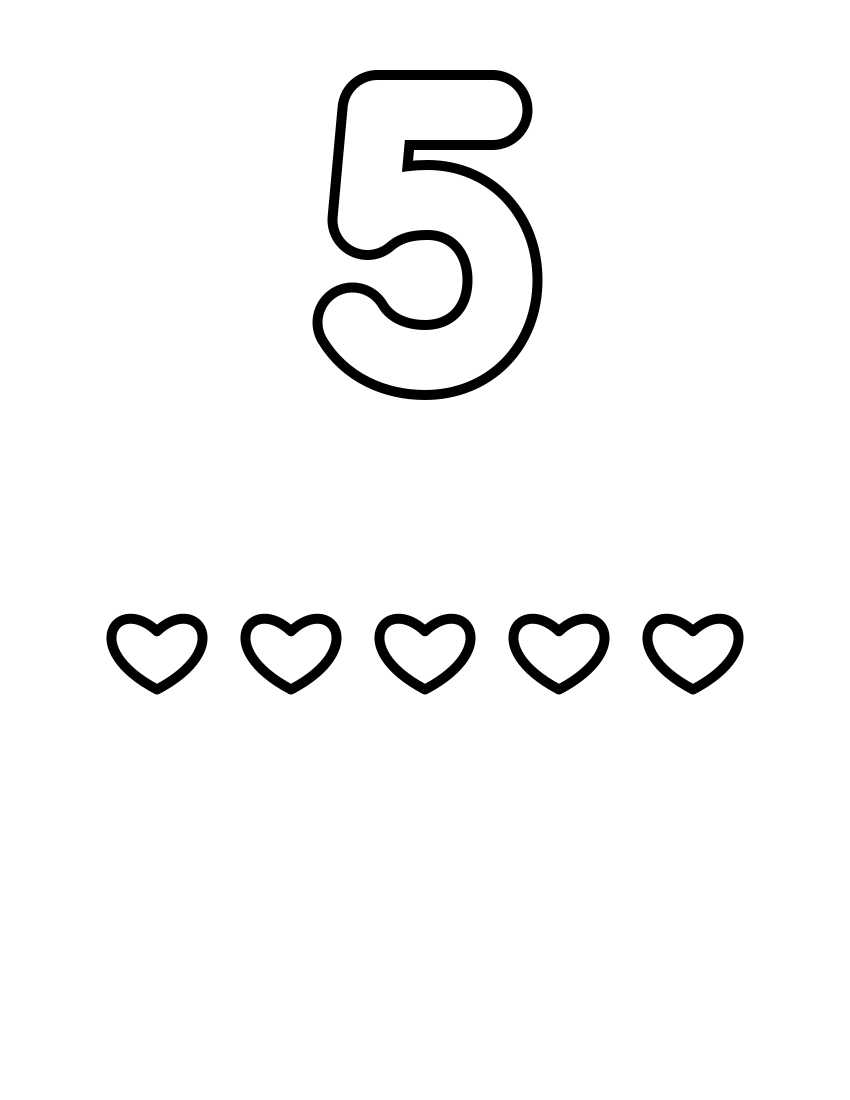 Count 5 hearts
Easy
-
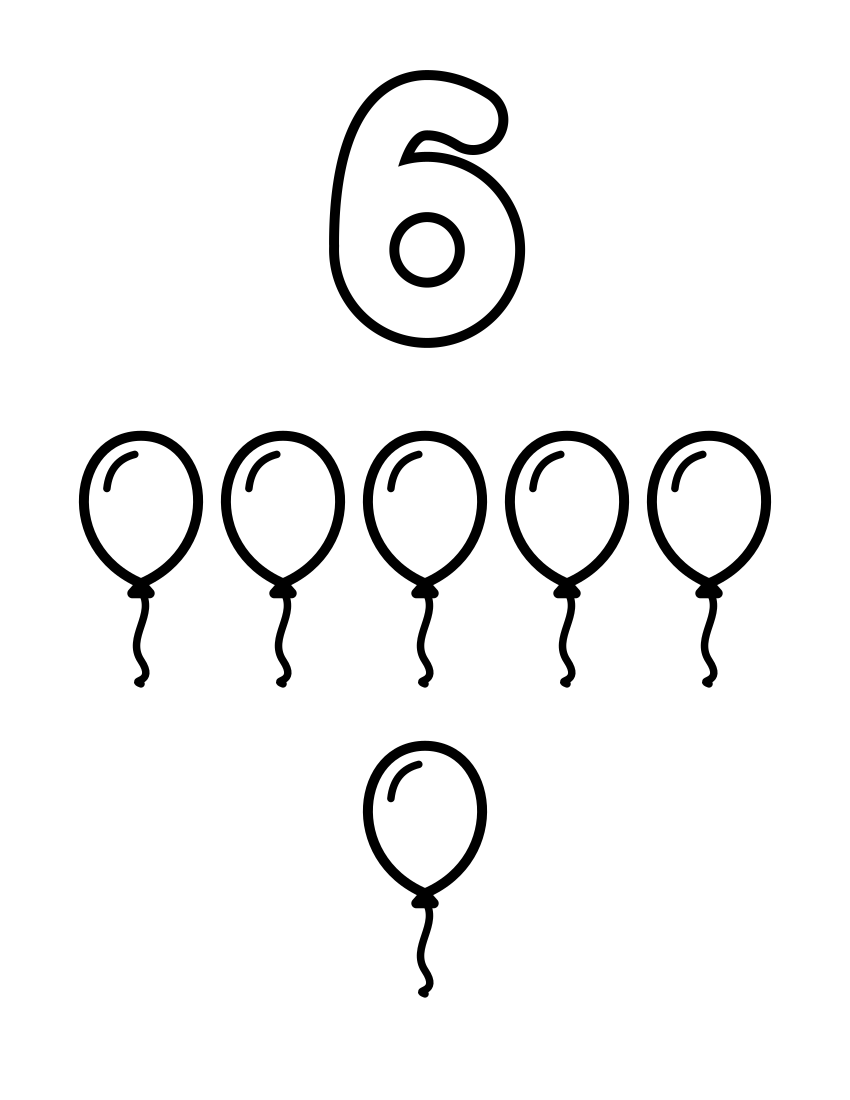 Count 6 balloons
Easy
-
 Big number 7
Very simple
-
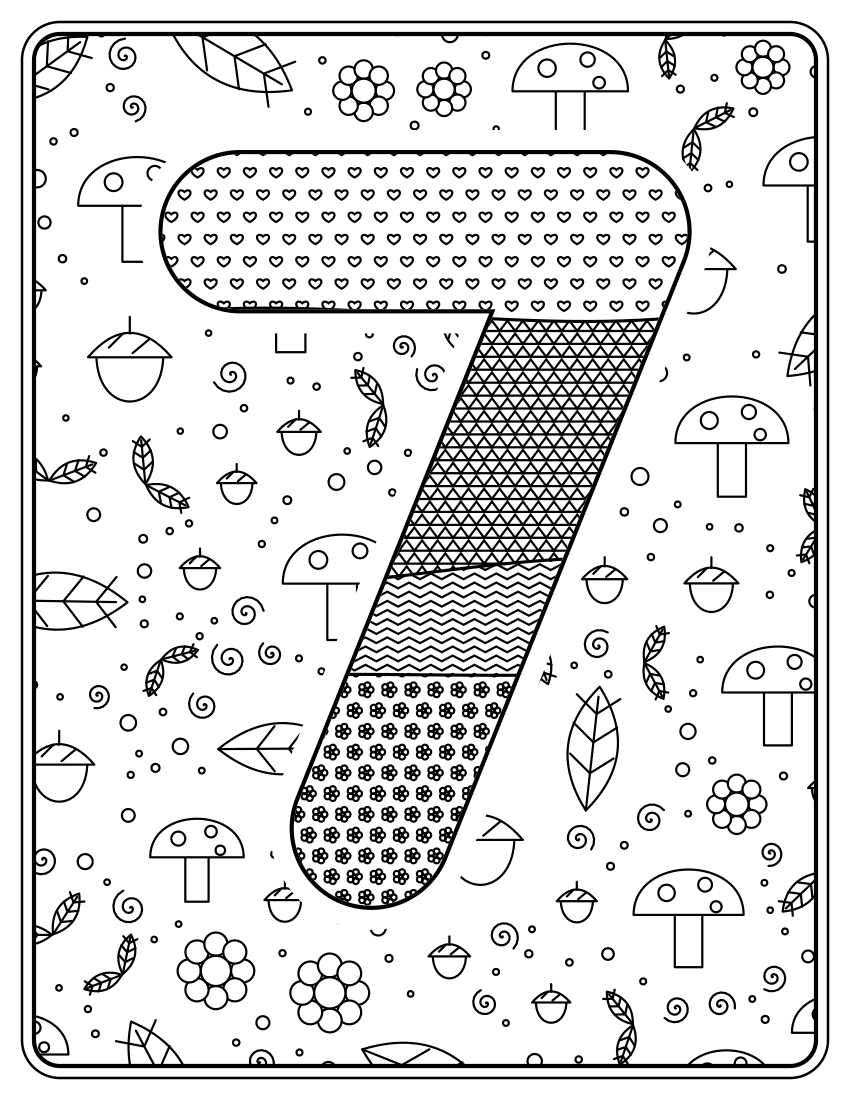 number 7 zentangle
Detailed
-
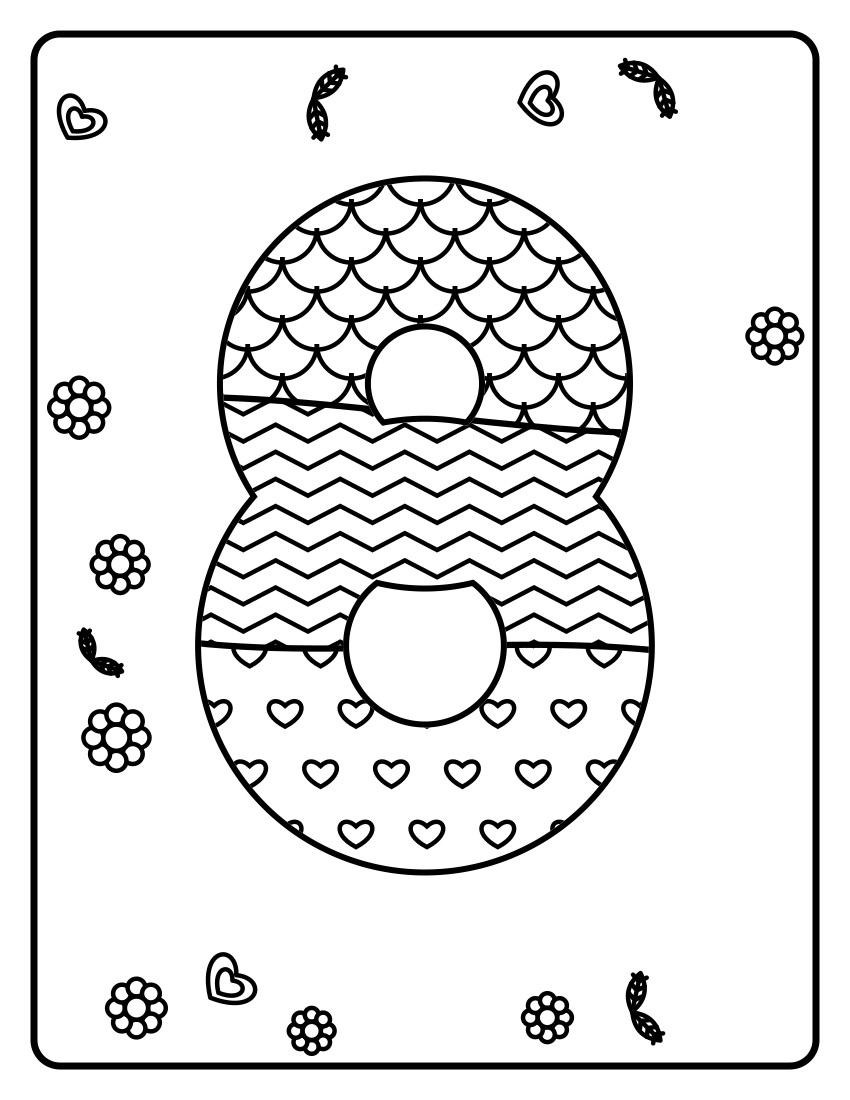 number 8 with patterns
Medium
-
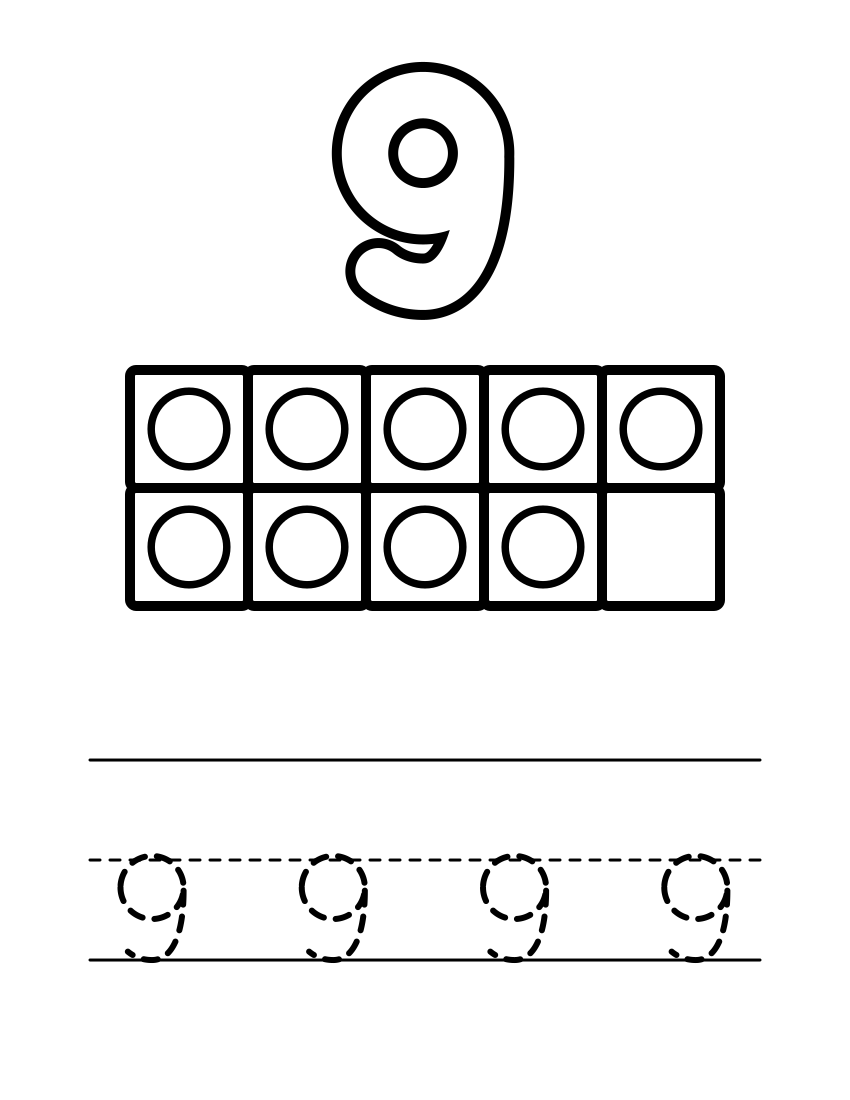 Trace the number 9
Easy
Young children often say numbers in order before they understand what each one means. Coloring helps connect the two: color the numeral 3, then color three objects and count them out loud while pointing. Ask your child where they see the number at home, such as the clock, the microwave or a house number. Zero is a fun one to talk about because it means none at all.
Ask your child to color each counted object a different color, which keeps track of what has been counted. For tracing practice, go over the numeral with a finger first, starting at the top.
Fun facts to share while you color
- The numerals we write today, 0 to 9, are called Hindu-Arabic numerals.
- Even numbers end in 0, 2, 4, 6 or 8.
- A spider has eight legs and an insect has six.
- Two hands together have ten fingers, which is one reason we count in tens.
Ways to use these number pages
- Color a number, then place that many small objects such as buttons or cereal pieces on the page.
- Line up colored pages 0 to 10 on the floor and have kids hop from number to number while counting.
- Color odd numbers in one color and even numbers in another, then look for the pattern.
- Make a counting book by stapling the pages together and adding a drawing for each number.
Questions parents and teachers ask
What age are number coloring pages for?
Toddlers around two can color big numerals and learn the names. Counting the pictures on each page suits kids from about three to six.
Why include the number 0?
Zero shows that a group can have nothing in it. Talking about it early helps later with tens, like 10, 20 and 30.