Arctic Animal Coloring Pages
Arctic animal coloring pages gather cold-weather favorites: polar bears, penguins, seals, walruses, arctic foxes, snowy owls and huskies. Very simple pages suit toddlers, and detailed fur and feathers give older kids more to work on.


Pages to start with
-
 Polar bear face
Very simple
-
 Polar bear on a snowy day
Easy
-
 Patterned polar bear with snowflakes
Detailed
-
 Penguin mom and baby
Easy
-
 Penguin in the Arctic
Medium
-
 Arctic fox with a heart
Very simple
-
 Arctic fox with a crown
Easy
-
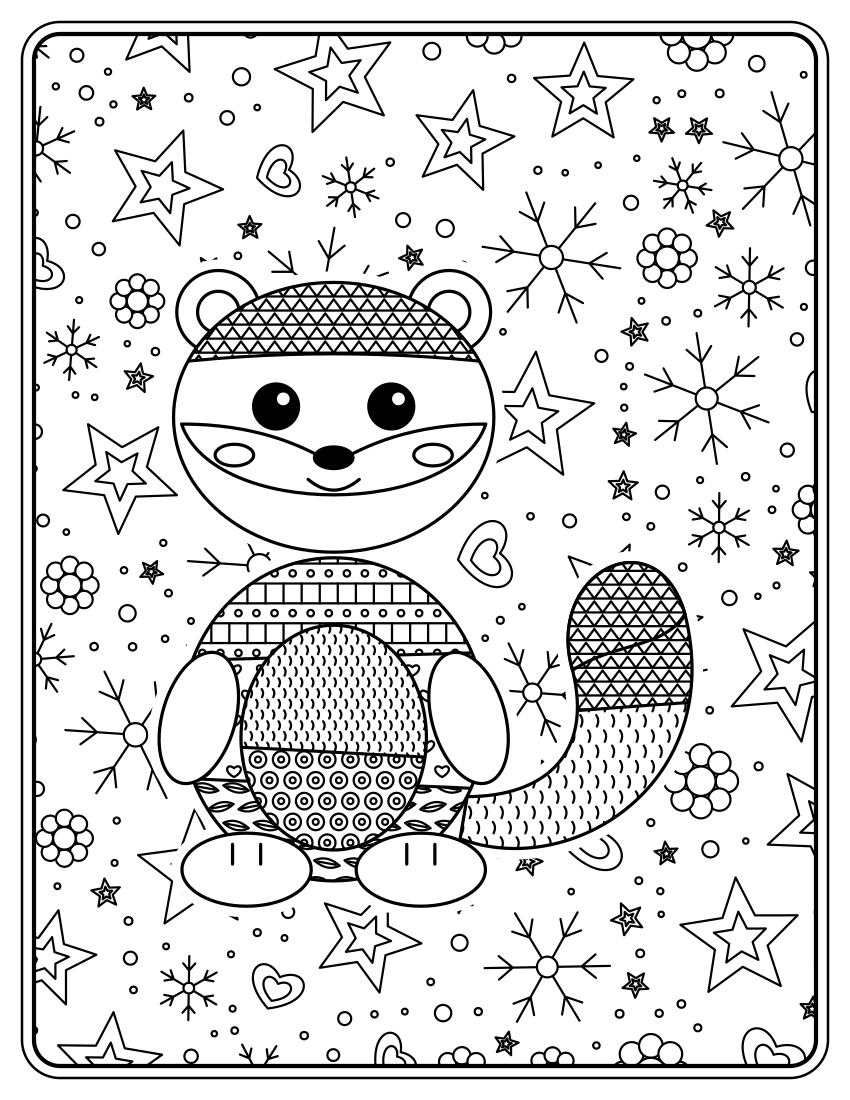 Patterned arctic fox with snowflakes
Detailed
-
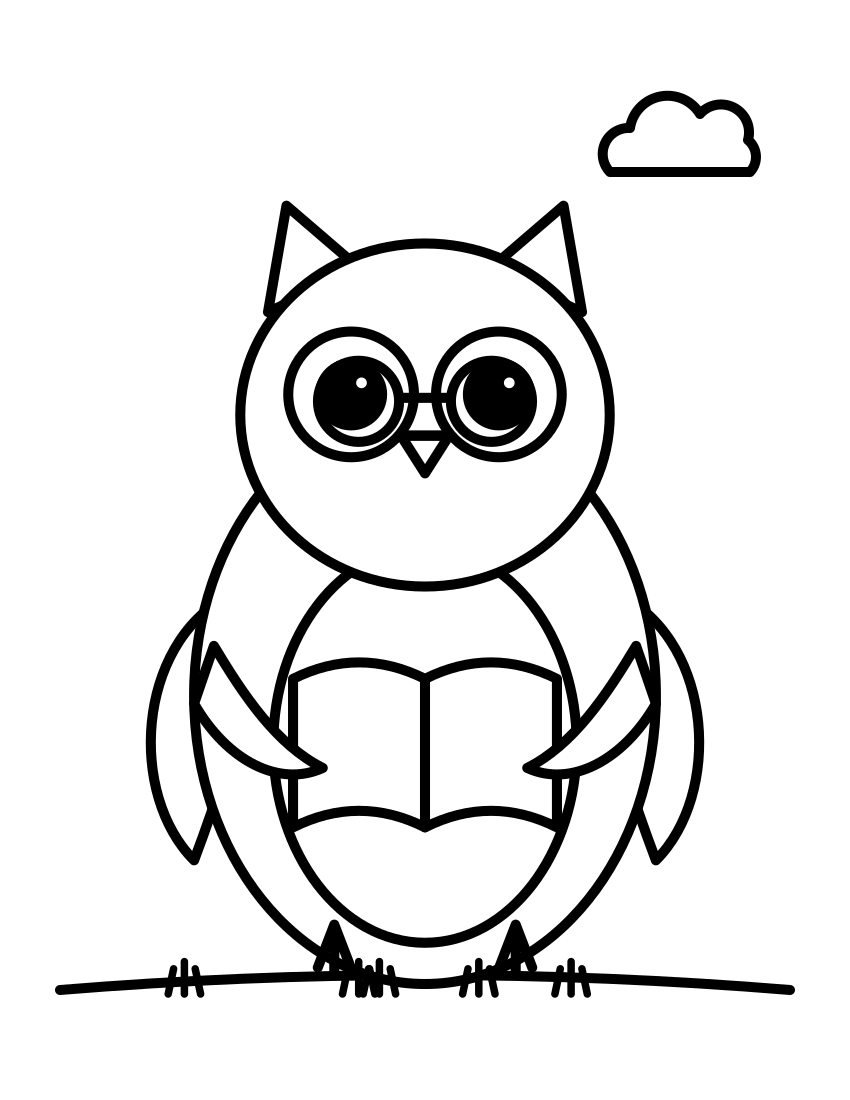 Snowy owl reading a book
Easy
-
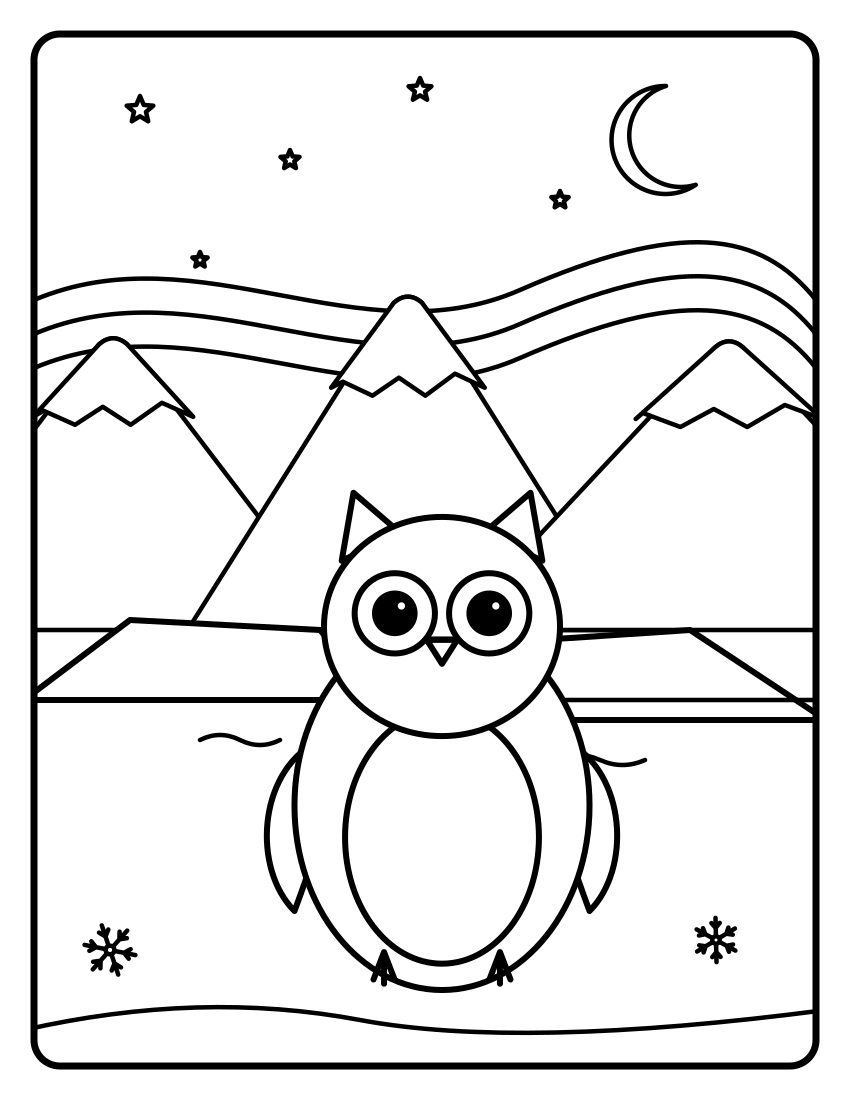 Snowy owl on a polar night
Medium
-
 Sitting husky
Very simple
-
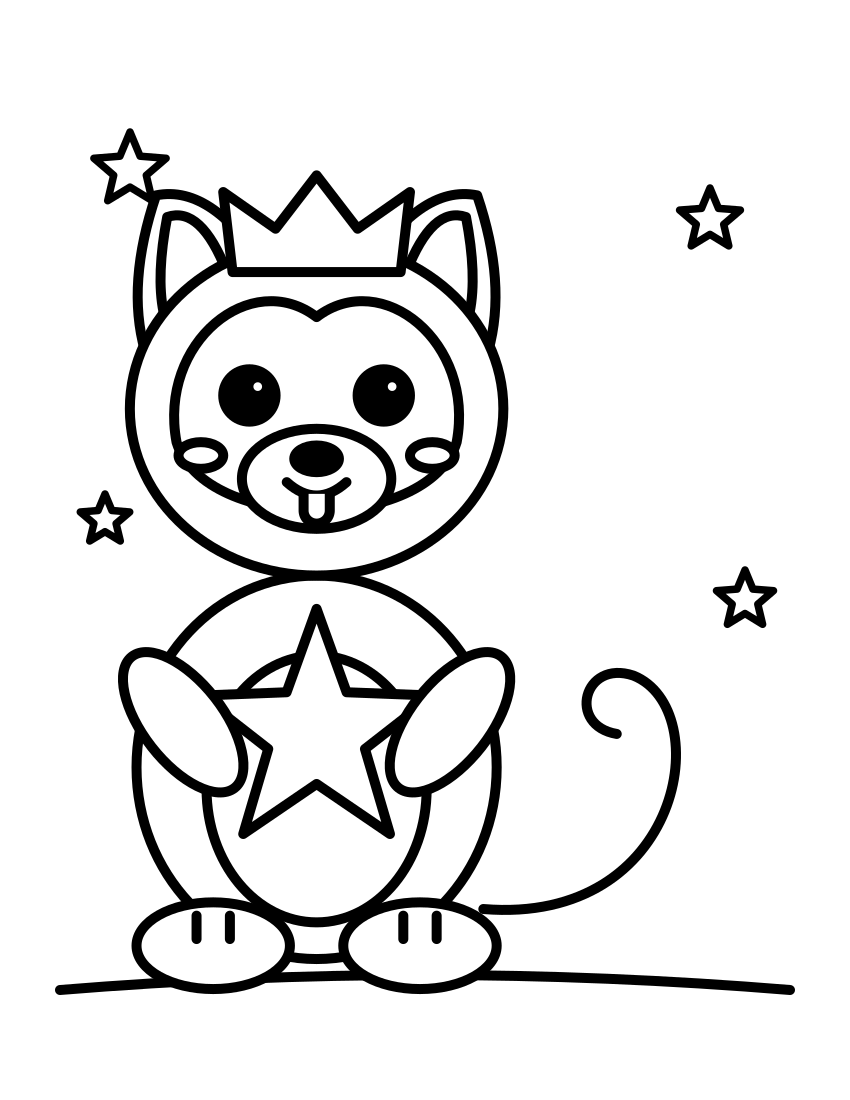 Husky with a crown
Easy
These pages fit winter lessons and snowy days. Kids are often surprised that wild penguins live in the Southern Hemisphere while polar bears live in the Arctic, so the two never meet in the wild. Talk about how these animals stay warm with thick fur, blubber and dense feathers. Real colors are mostly white, gray, black and cream, so the sky and ice can carry the color.
White animals on white paper can look unfinished. Leave the animal mostly white, add soft gray or pale blue shadows along its belly and legs, then color the sky and water around it so the animal stands out.
Fun facts to share while you color
- Polar bears have black skin under their thick, white-looking fur.
- Wild penguins live in the southern half of the world, far from the Arctic.
- Walruses use their long tusks to help pull themselves out of the water onto ice.
- The arctic fox has a white coat in winter and a brown or gray coat in summer.
- Seals and walruses have a thick layer of fat called blubber that keeps them warm.
Ways to use these arctic animal pages
- Divide a poster into North Pole and South Pole and place each colored animal on the correct side.
- Glue cotton balls or torn white tissue paper onto a finished polar bear to make soft fur.
- Make a snowy scene by gluing colored animals onto blue paper and dotting snow with white paint.
- Fill a bowl with ice water and let kids feel how cold it is, then talk about how blubber helps a colored seal.
Questions parents and teachers ask
Do penguins live in the Arctic?
No. Wild penguins live in the Southern Hemisphere, mostly around Antarctica and southern coasts. Polar bears live in the Arctic, so they never meet in the wild.
How do kids color a white polar bear?
Leave most of the bear white and add light gray, cream or pale blue shading along the edges. A colored sky and dark water behind it make the bear stand out.
Why are huskies included with arctic animals?
Huskies are dogs that were bred to pull sleds in cold northern places. Their thick double coat keeps them warm in snow.