Bee Coloring Pages
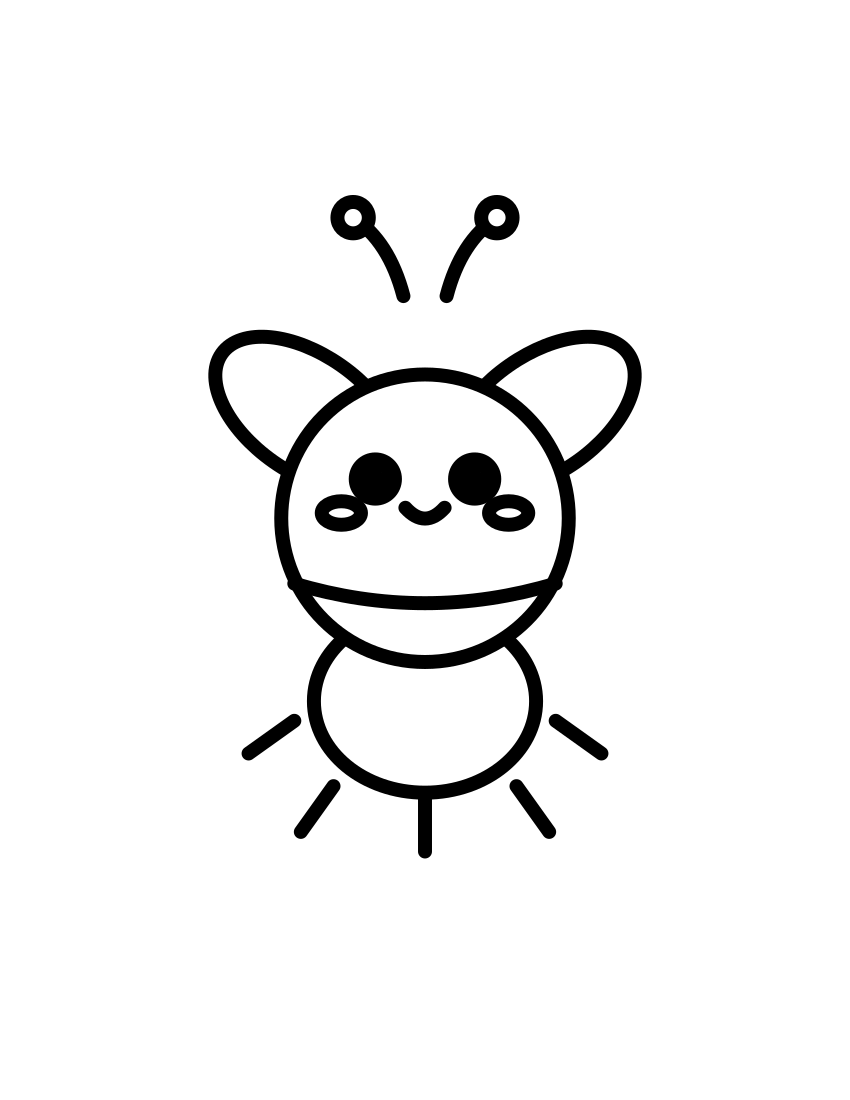
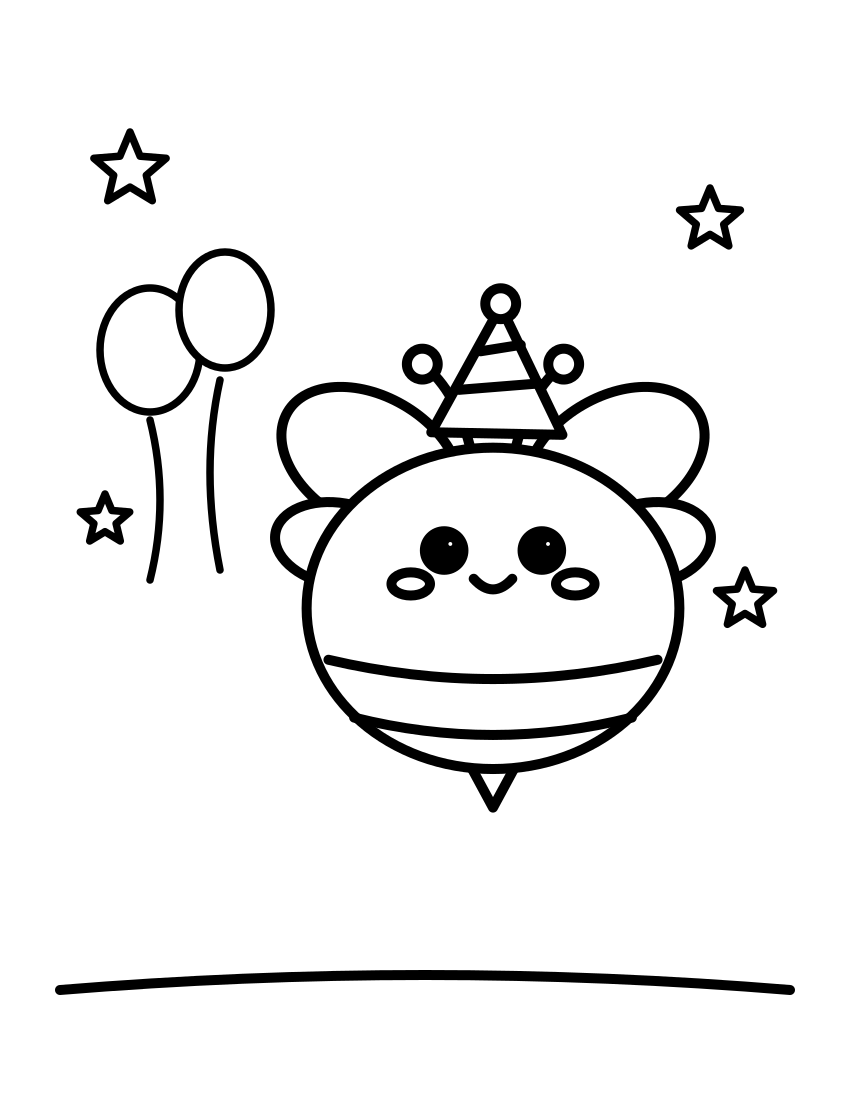
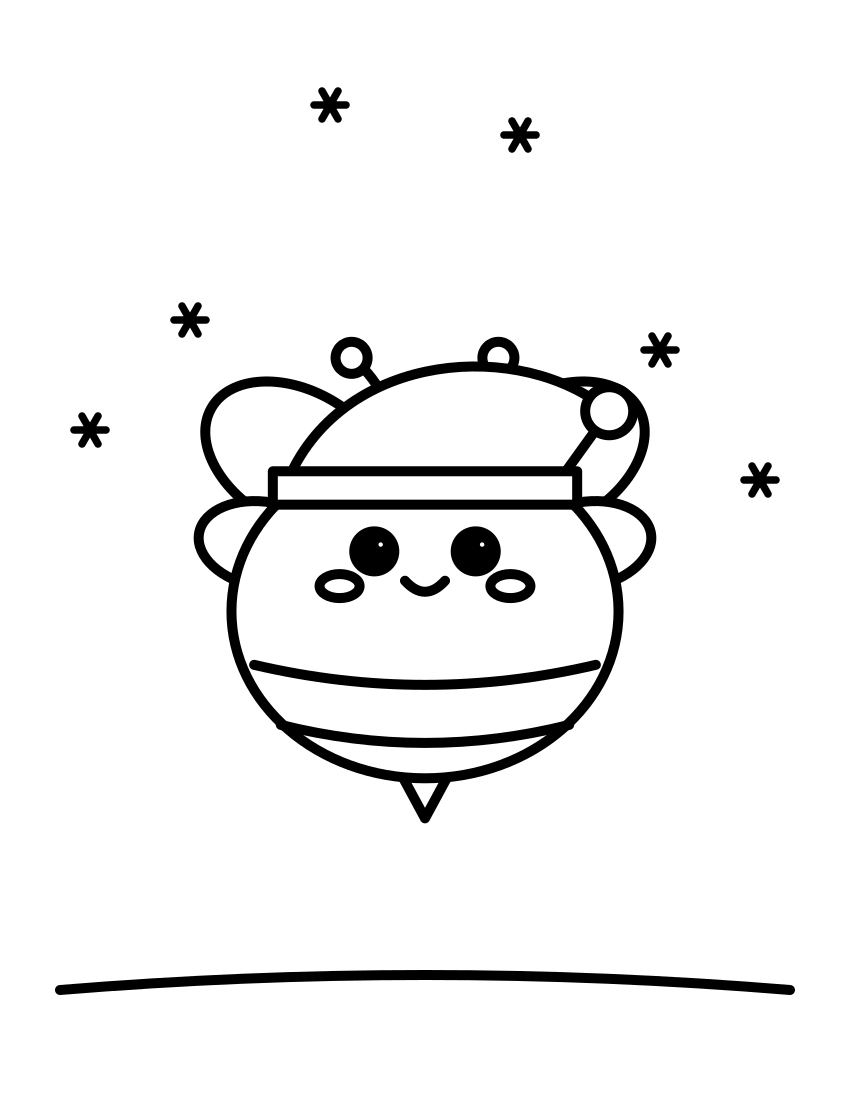
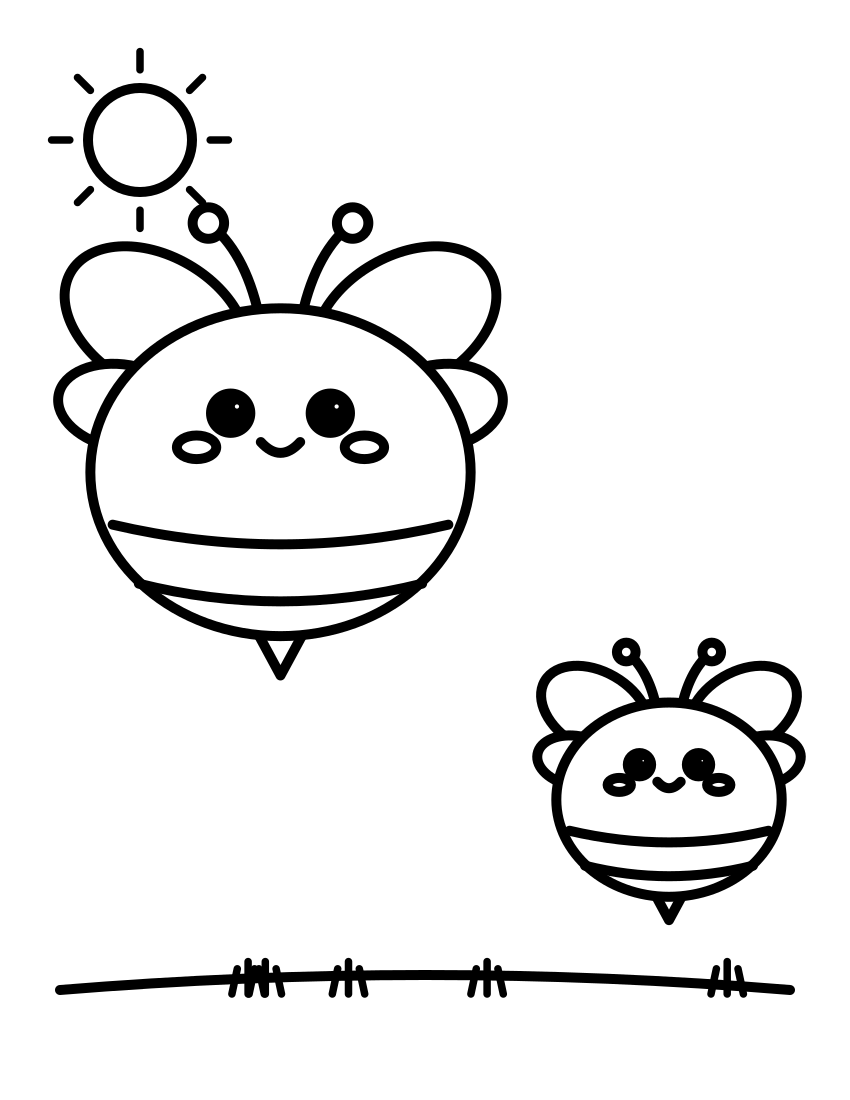
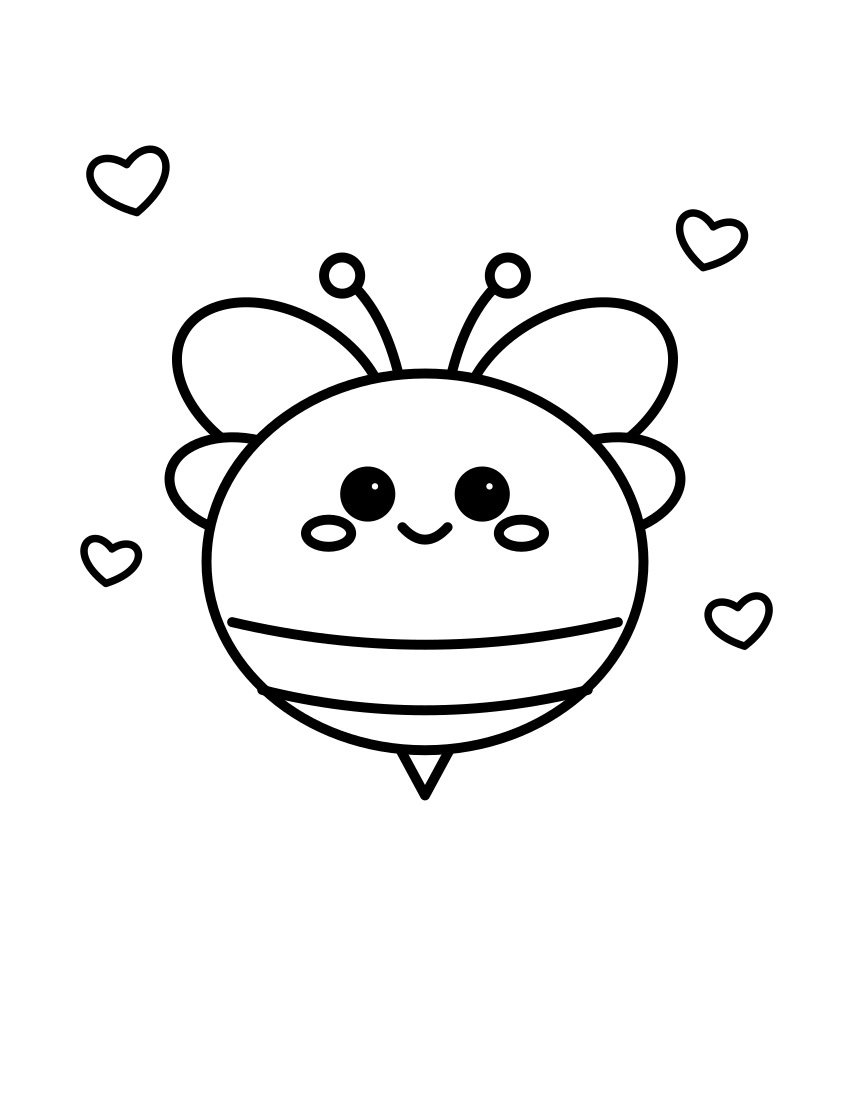
Bee coloring pages feature buzzing honeybees, fuzzy bumblebees, hives and flowers, with simple chubby bees for toddlers, easy garden pages for preschoolers and detailed honeycomb scenes for older kids.
Very simple bee coloring pages ages 2-4
Easy bee coloring pages ages 3-6
Medium bee coloring pages ages 6-10
Detailed bee coloring pages ages 10+ and adults
More ways to browse
Bees are an easy way to start a talk about where food comes from, since they carry pollen from flower to flower and help plants make fruit. Kids can color yellow and black stripes, see-through wings and golden honey. Bumblebees are fuzzier and rounder, while honeybees are slimmer and more golden brown. The pages fit spring, garden lessons and World Bee Day in May.
Honeycomb has many six-sided cells. Kids can color every other cell in gold and orange, or use a yellow highlighter over crayon for a glowing honey look. Add a dotted flight path from the hive to a flower with a black pen.
Fun facts to share while you color
- Honeybees make honey from the nectar they collect from flowers.
- Bees carry pollen from flower to flower, which helps plants grow fruit and seeds.
- Honeybees do a wiggly waggle dance to tell other bees where to find flowers.
- A honeybee colony has one queen, who lays the eggs.
- Honeycomb is made of wax cells with six sides, called hexagons.
Ways to use these bee pages
- Count the hexagons in a honeycomb page and color them in a pattern.
- Have kids do a waggle dance after coloring to show a partner where a pretend flower is.
- Make a classroom hive by gluing everyone's colored bees around a large paper honeycomb.
- Pair bee pages with flower pages and let kids move bees from bloom to bloom to show pollination.
Questions parents and teachers ask
What colors is a real honeybee?
Honeybees are golden brown and black with fuzzy stripes and clear wings. Bumblebees are rounder and fuzzier, with brighter yellow and black bands.
What is the difference between a bee and a wasp?
Bees are usually fuzzy and visit flowers for nectar and pollen. Wasps are smooth and shiny with a narrow waist, and many hunt other insects.
When is World Bee Day?
World Bee Day is on May 20 each year. It is a good day to color bees and talk about why they matter to gardens and farms.