Spider Coloring Pages
Spider coloring pages feature friendly spiders, dangling threads and big webs, with very simple designs for toddlers and detailed web scenes for older kids at Halloween and all year.
Very simple spider coloring pages ages 2-4
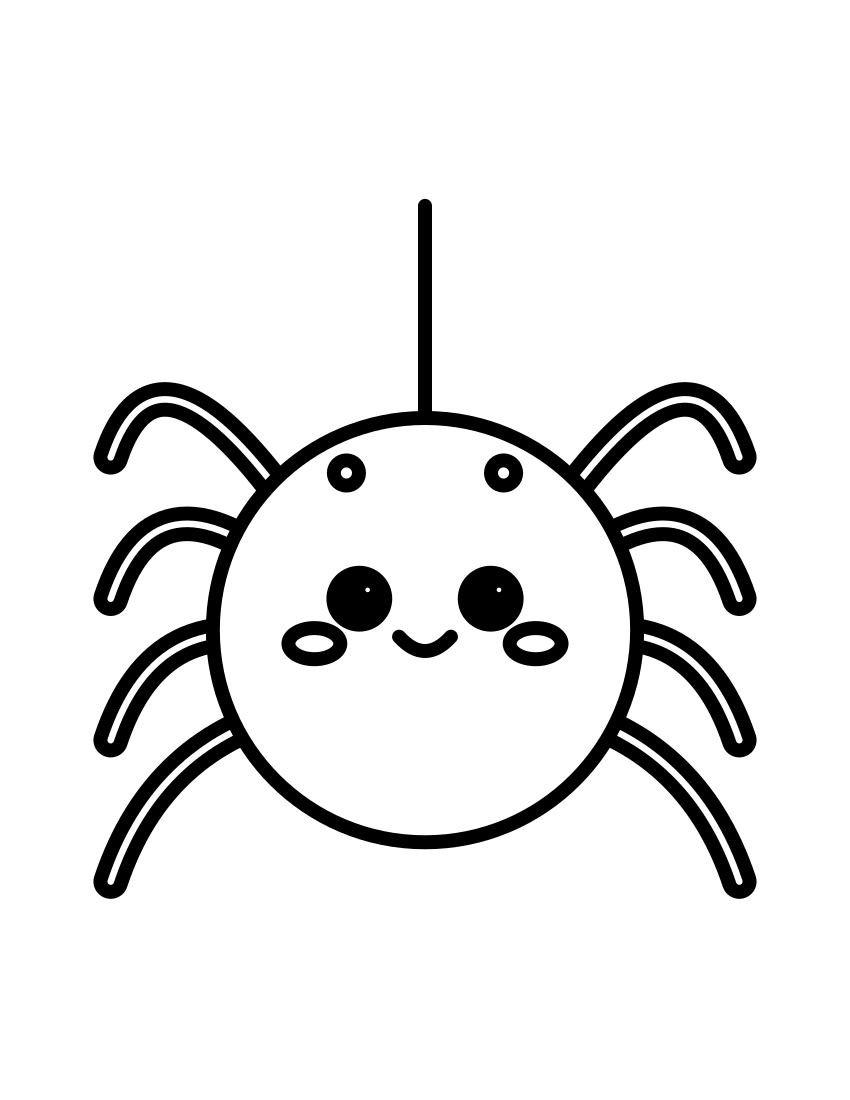
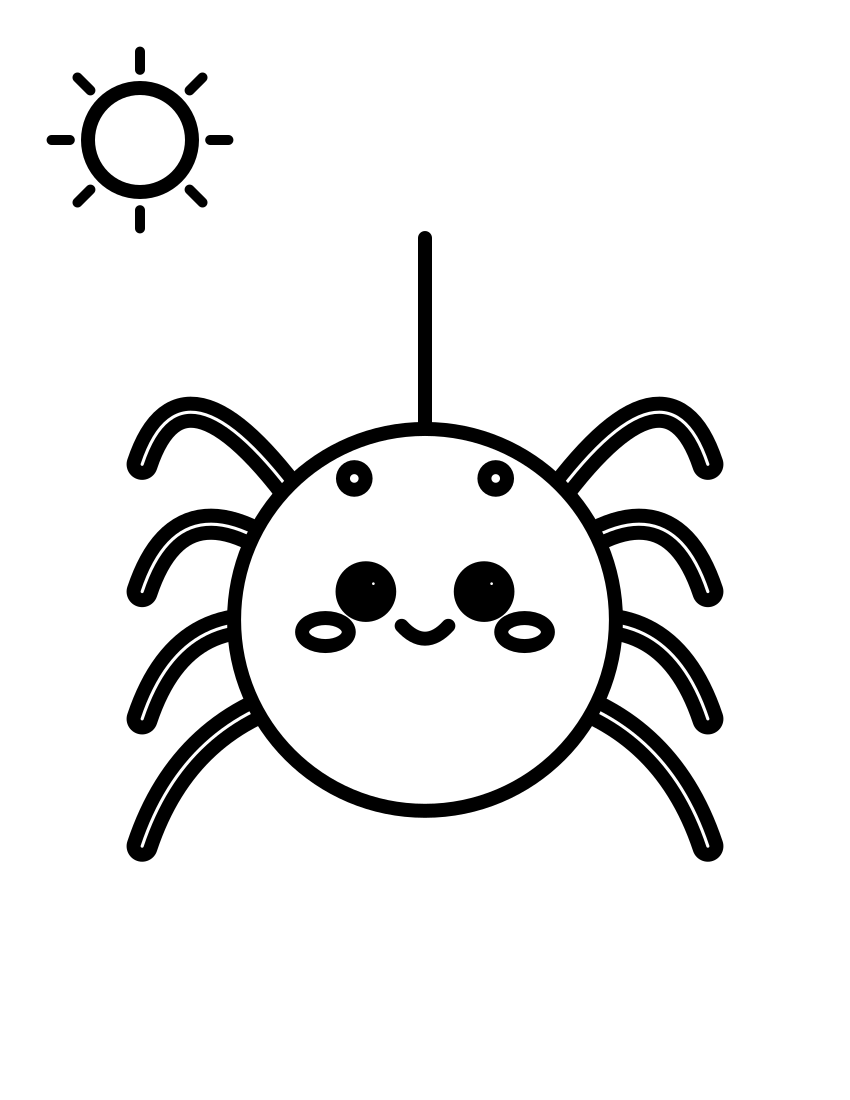
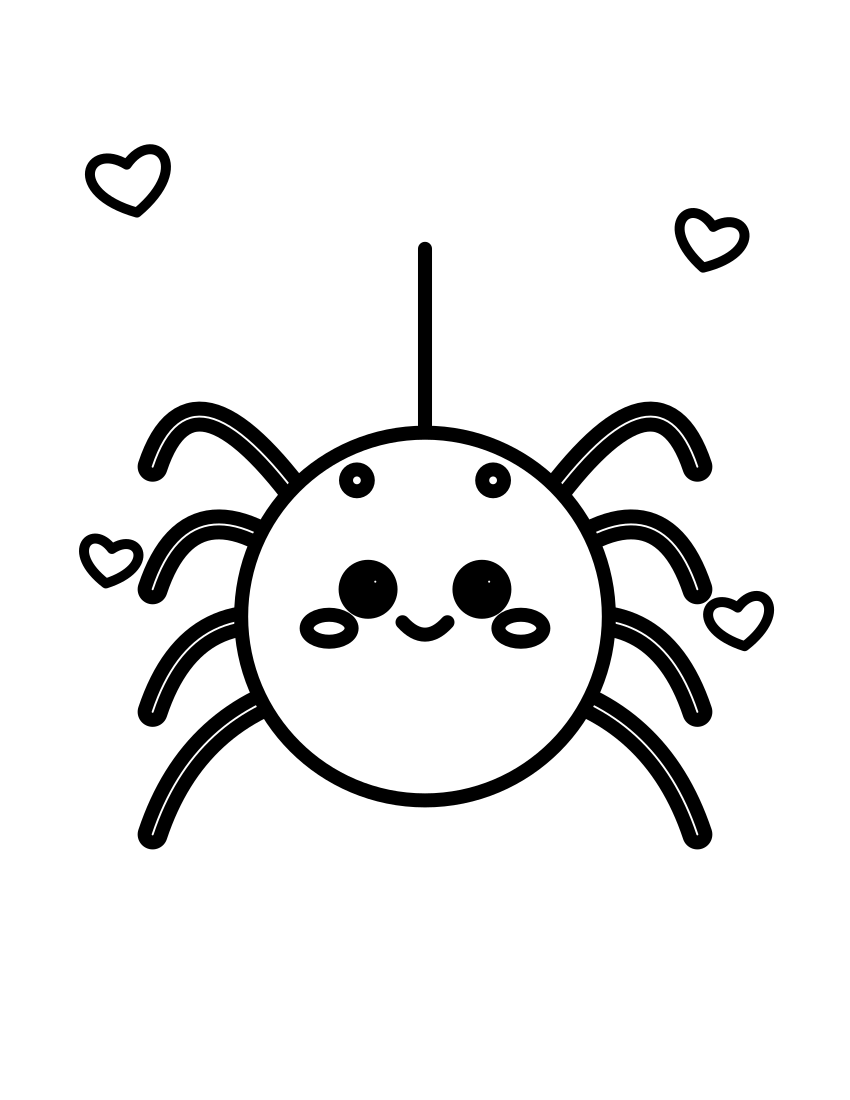
Easy spider coloring pages ages 3-6
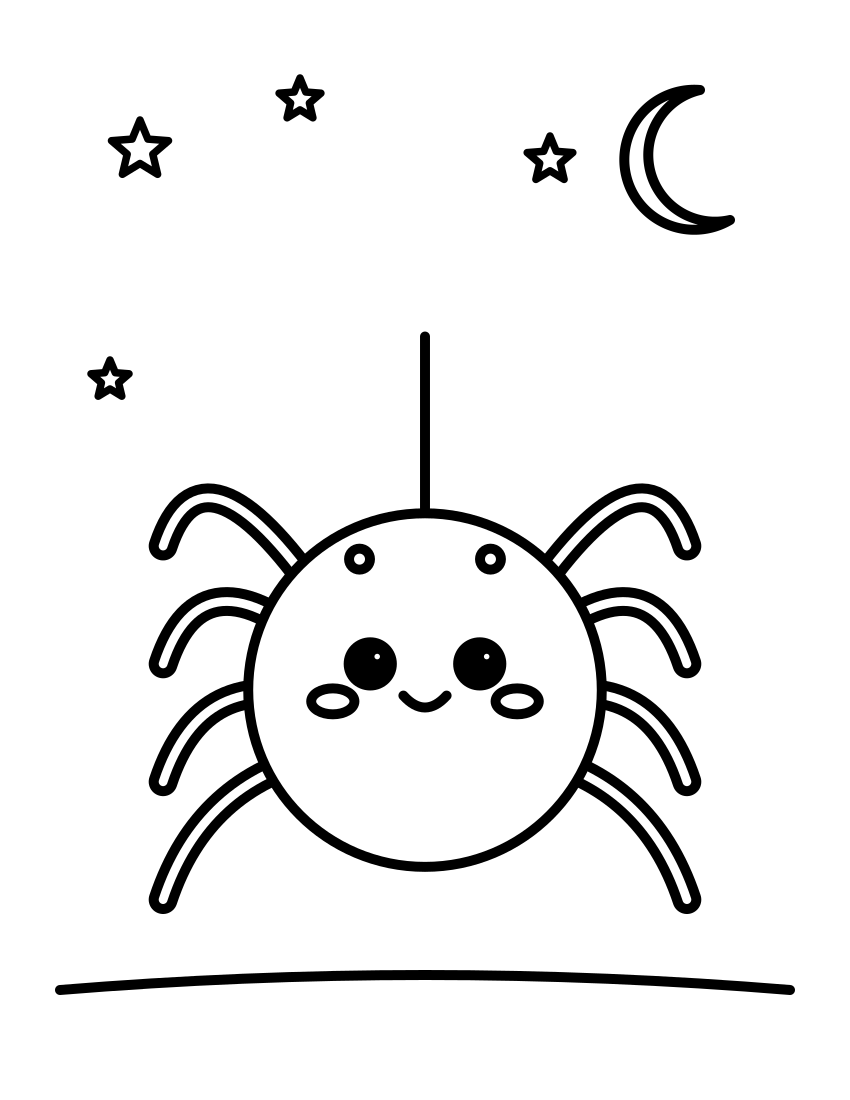
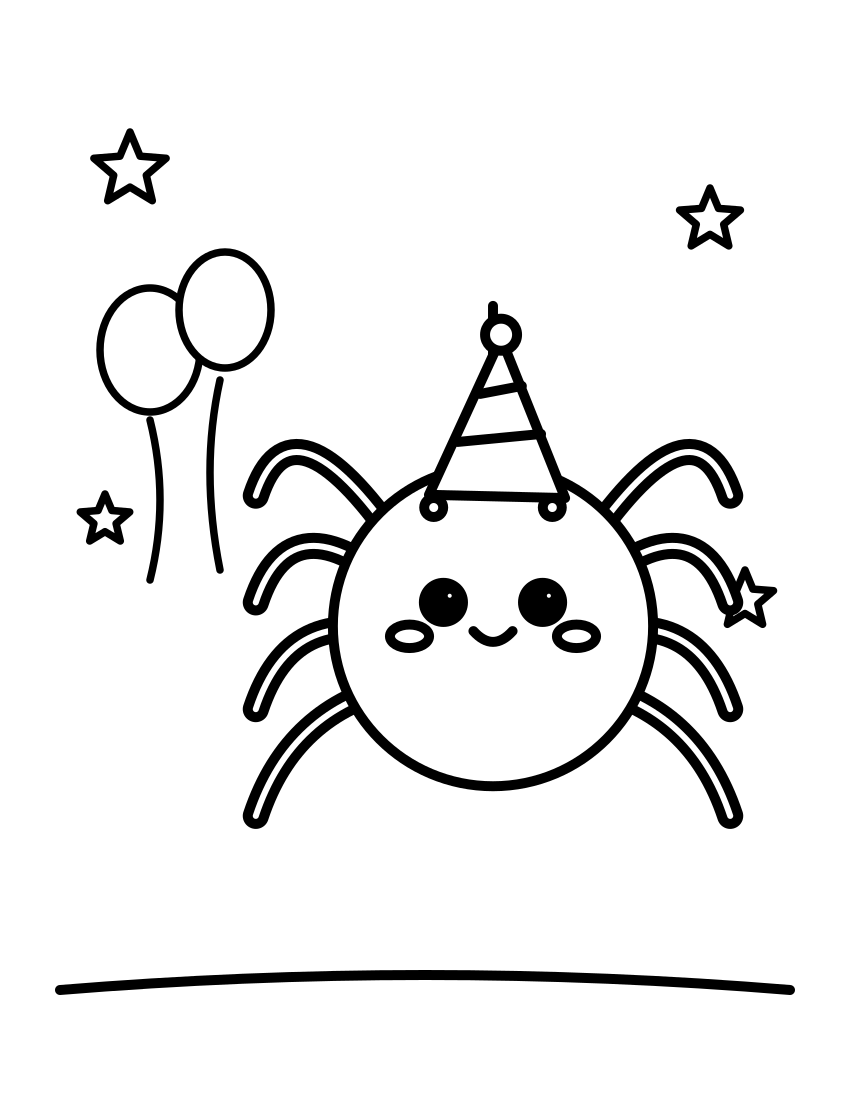
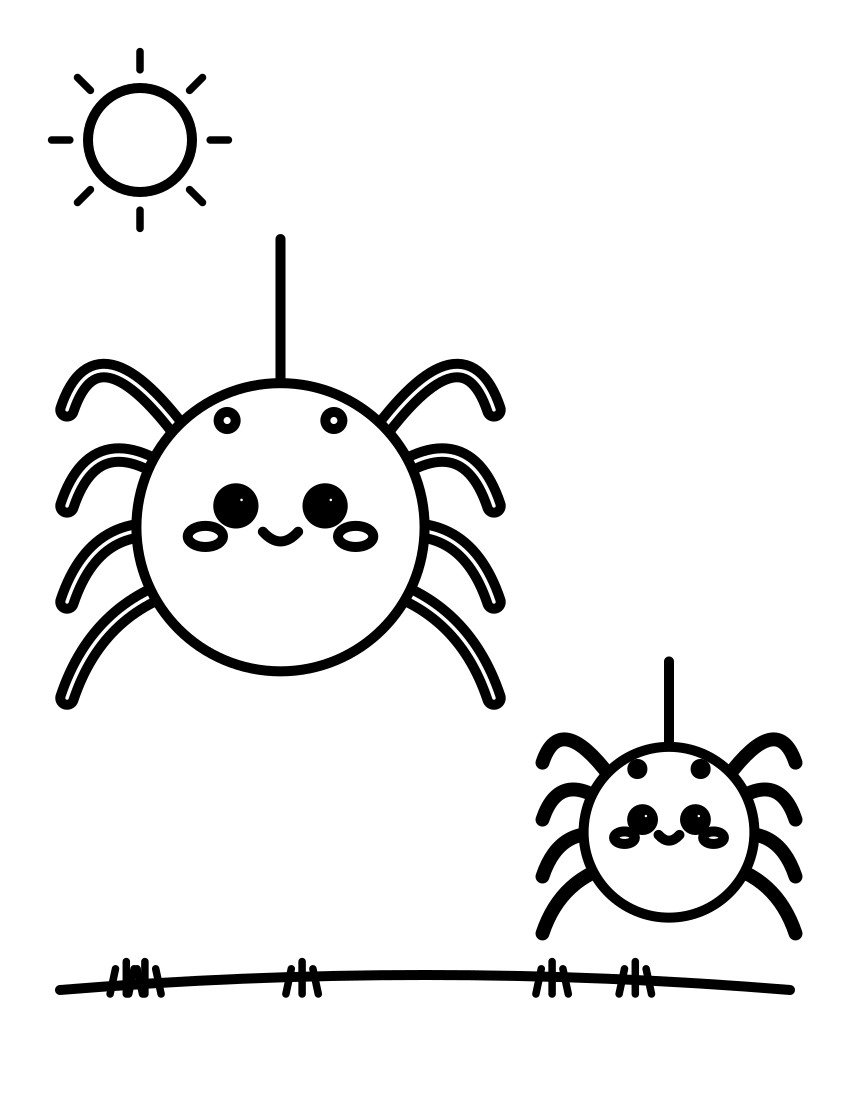
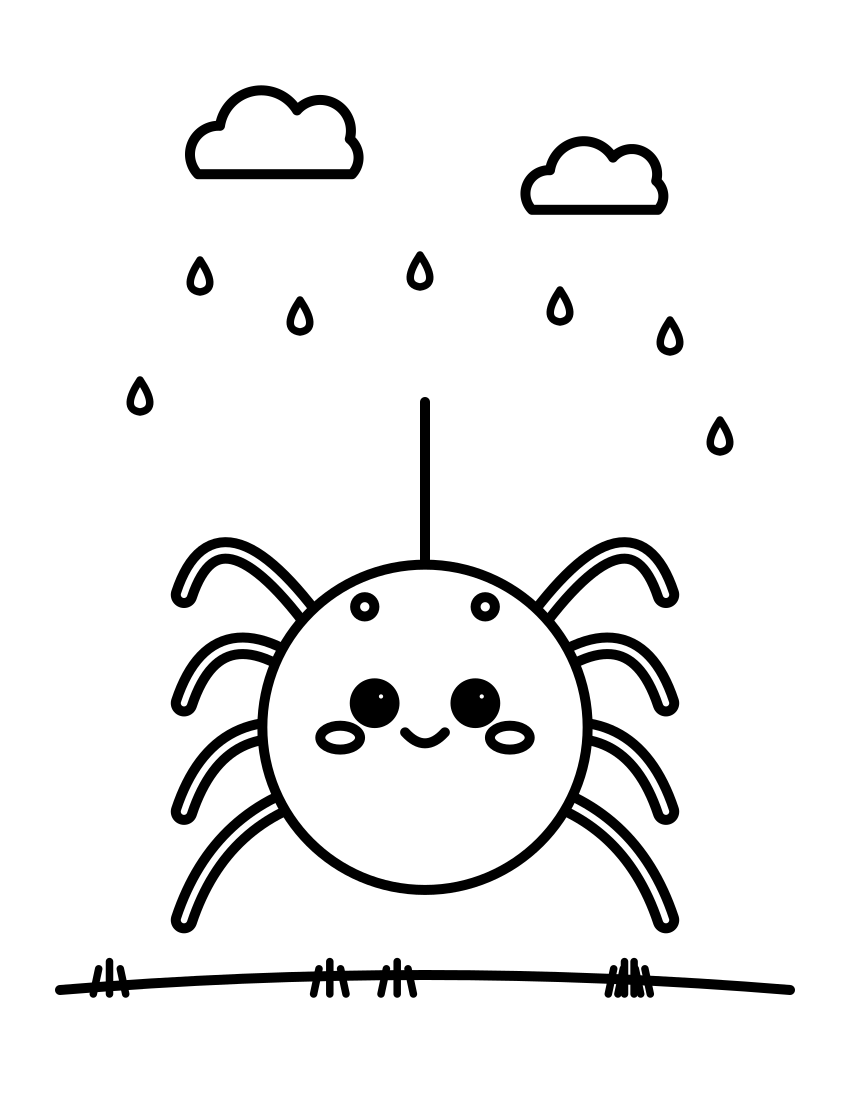
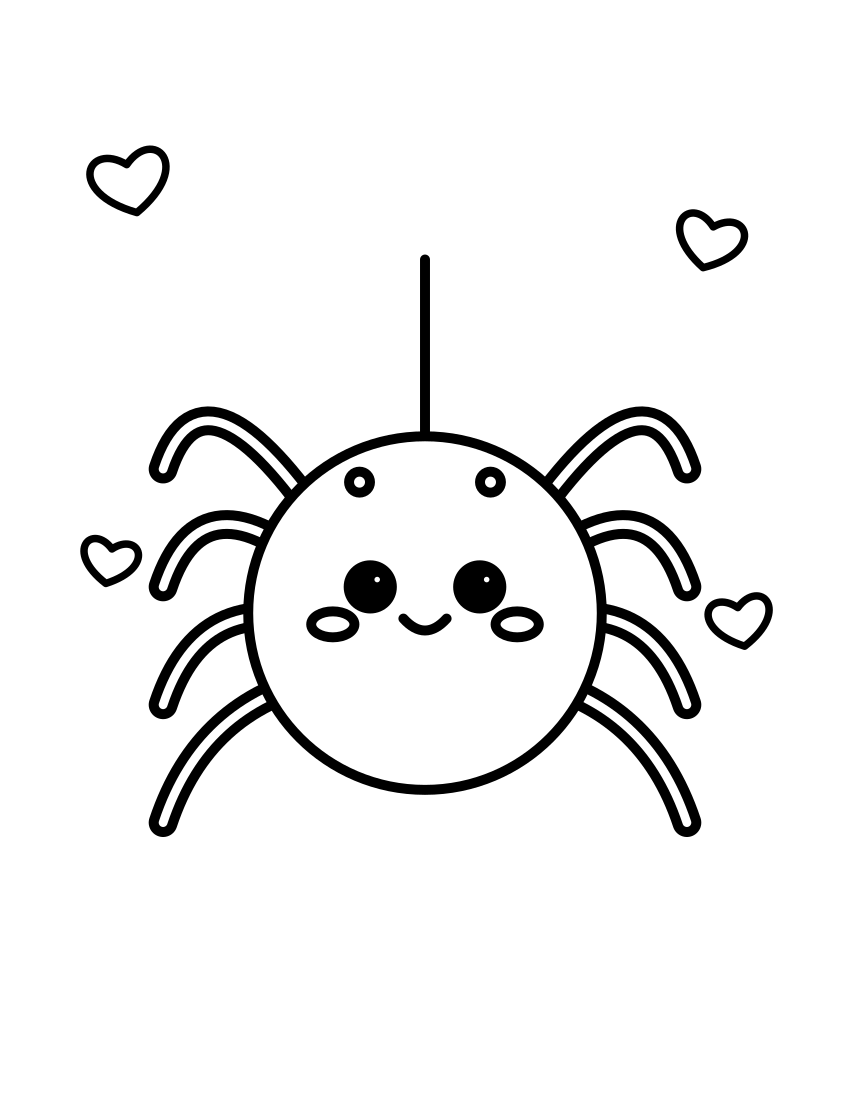
Medium spider coloring pages ages 6-10
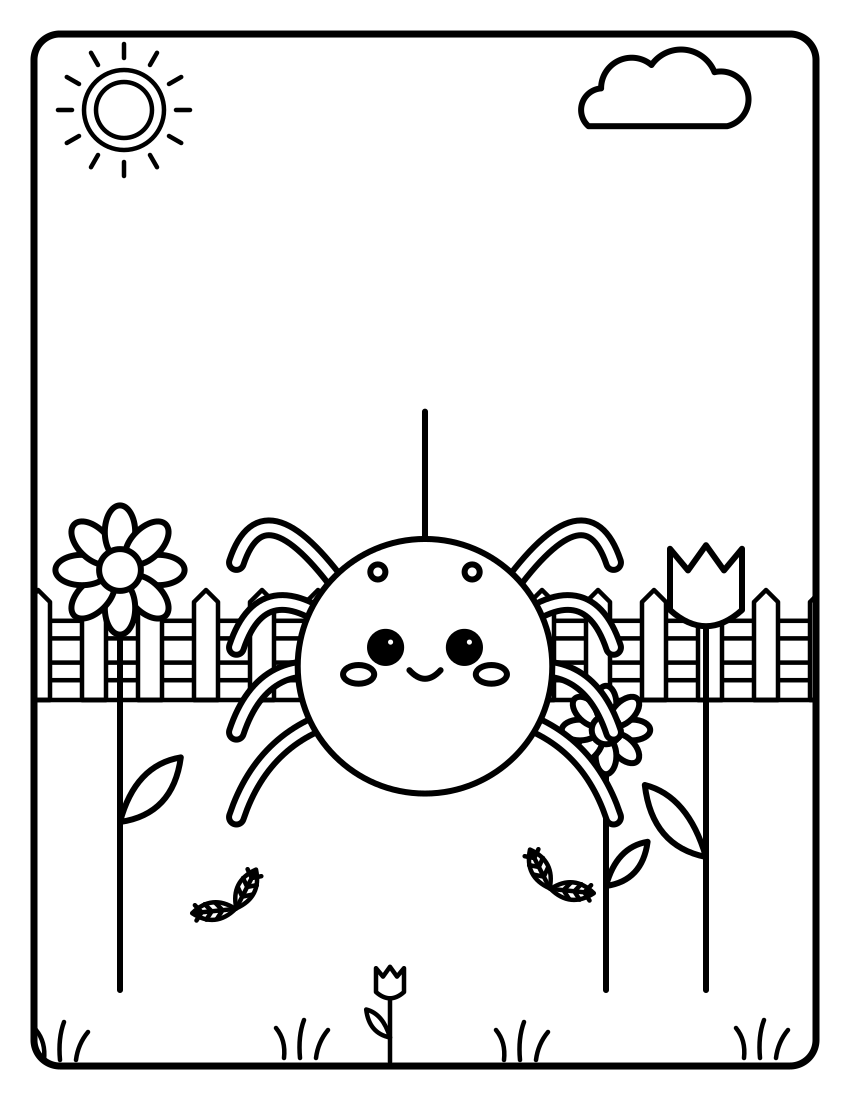
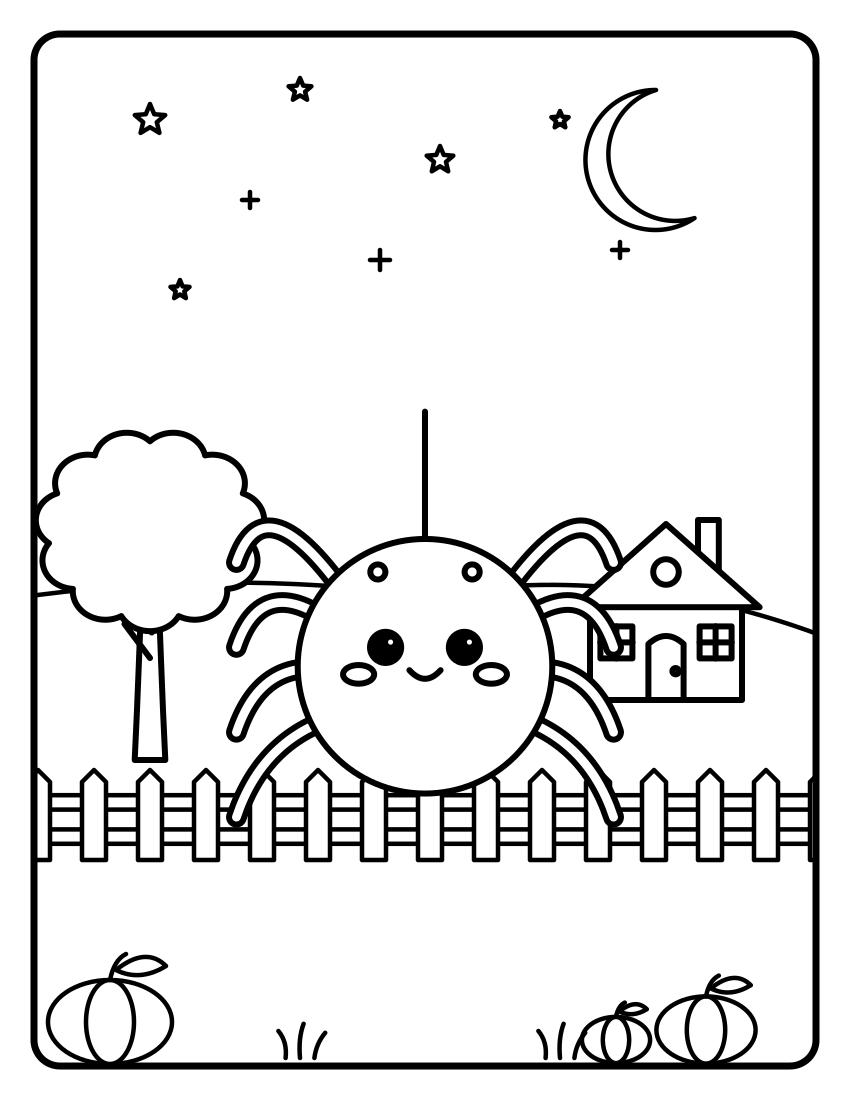
Detailed spider coloring pages ages 10+ and adults
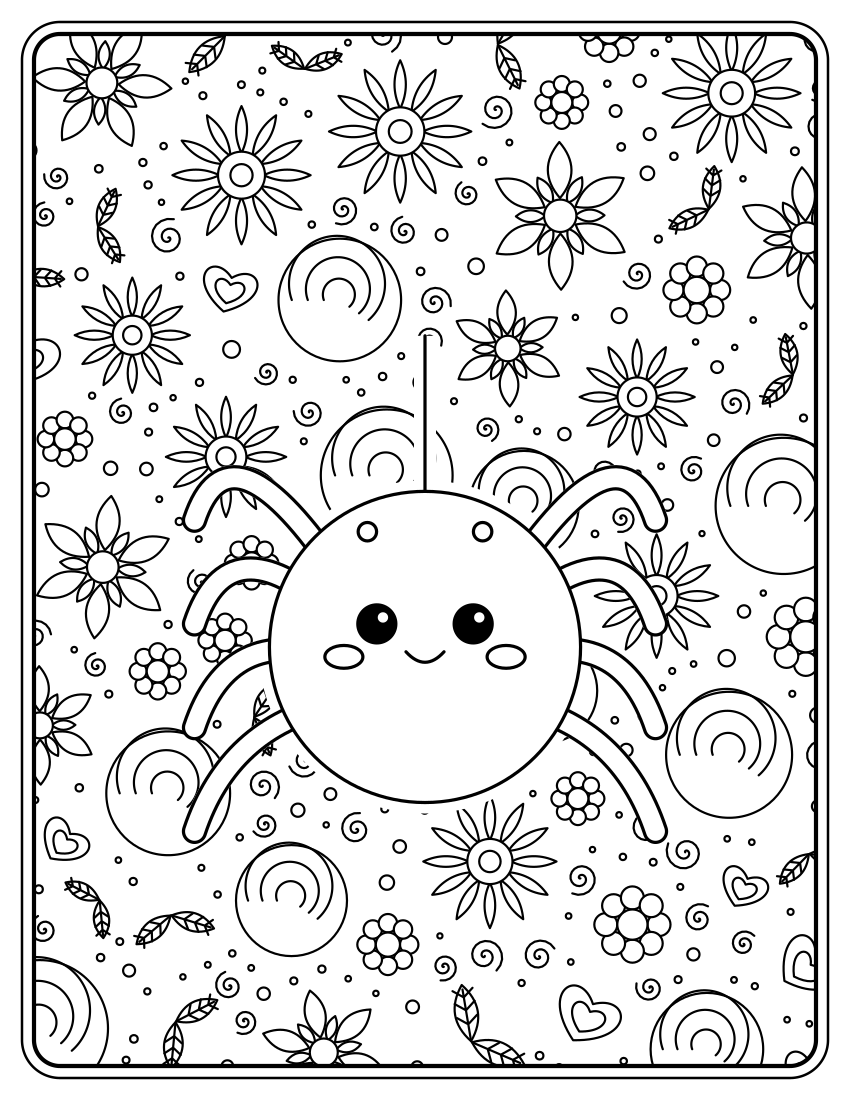
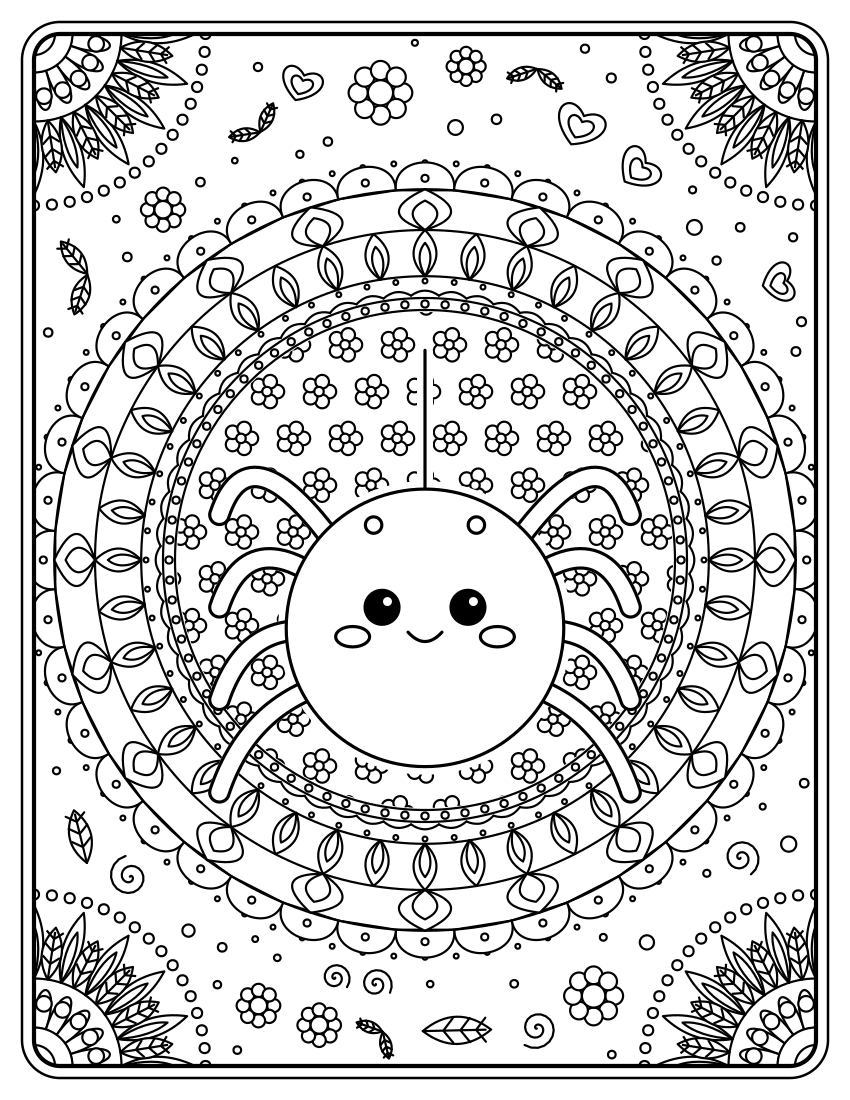
More ways to browse
Spiders are a great way to explain that not every bug is an insect, since spiders have eight legs and two body parts. Real spiders can be brown, black, gray, yellow or even bright green. Many families color spiders in fall, but they also fit a nursery rhyme time, a garden walk or a lesson about how webs catch food.
Webs are easier to color on a dark background. Kids can color the space between threads in black or purple and leave the threads white, or trace them with a white gel pen.
Fun facts to share while you color
- Spiders are not insects, they belong to a group called arachnids.
- Spiders have eight legs and two main body parts.
- Spiders make silk inside their bodies and use it to spin webs.
- Not all spiders build webs, jumping spiders pounce on their food instead.
- Many spiders have eight eyes.
Ways to use these spider pages
- Sing the traditional Itsy Bitsy Spider rhyme and act it out while coloring a spider page.
- Glue yarn along the web lines of a colored page to make a raised spider web.
- Count the legs on each spider and compare with the six legs of an ant page.
- Hang cut-out spiders from string around a doorway for a Halloween decoration.
Questions parents and teachers ask
Is a spider page too scary for a toddler?
The very simple and easy levels show round, friendly spiders without scary details. Most toddlers enjoy them, especially when paired with a song about a spider.
Why isn't a spider an insect?
Insects have six legs and three body parts. Spiders have eight legs and two body parts, so they belong to a different group called arachnids.
How do I color a spider web?
Leave the thin threads white and color the spaces between them in a dark color. A white gel pen or a silver crayon helps the web stand out.