Ladybug Coloring Pages
Ladybug coloring pages show the little spotted beetles on leaves, flowers and stems, with big round ladybugs for toddlers and detailed garden scenes for older children.
Very simple ladybug coloring pages ages 2-4
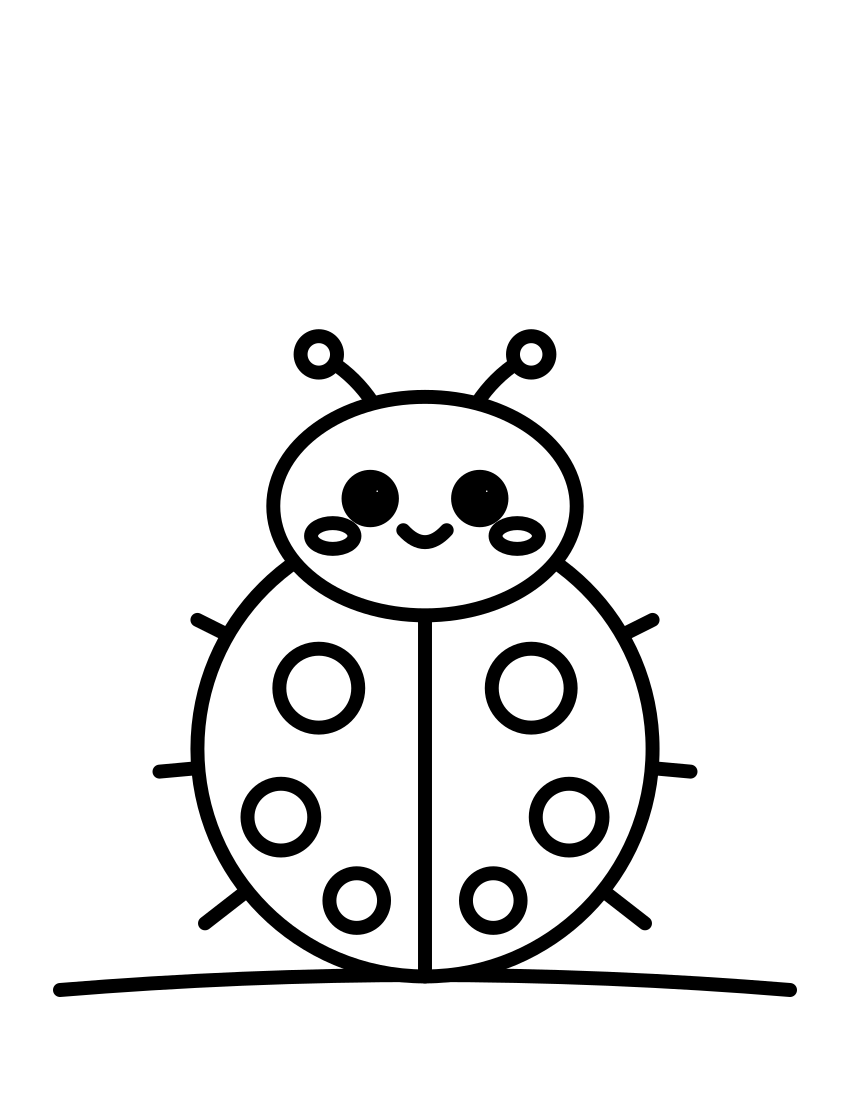
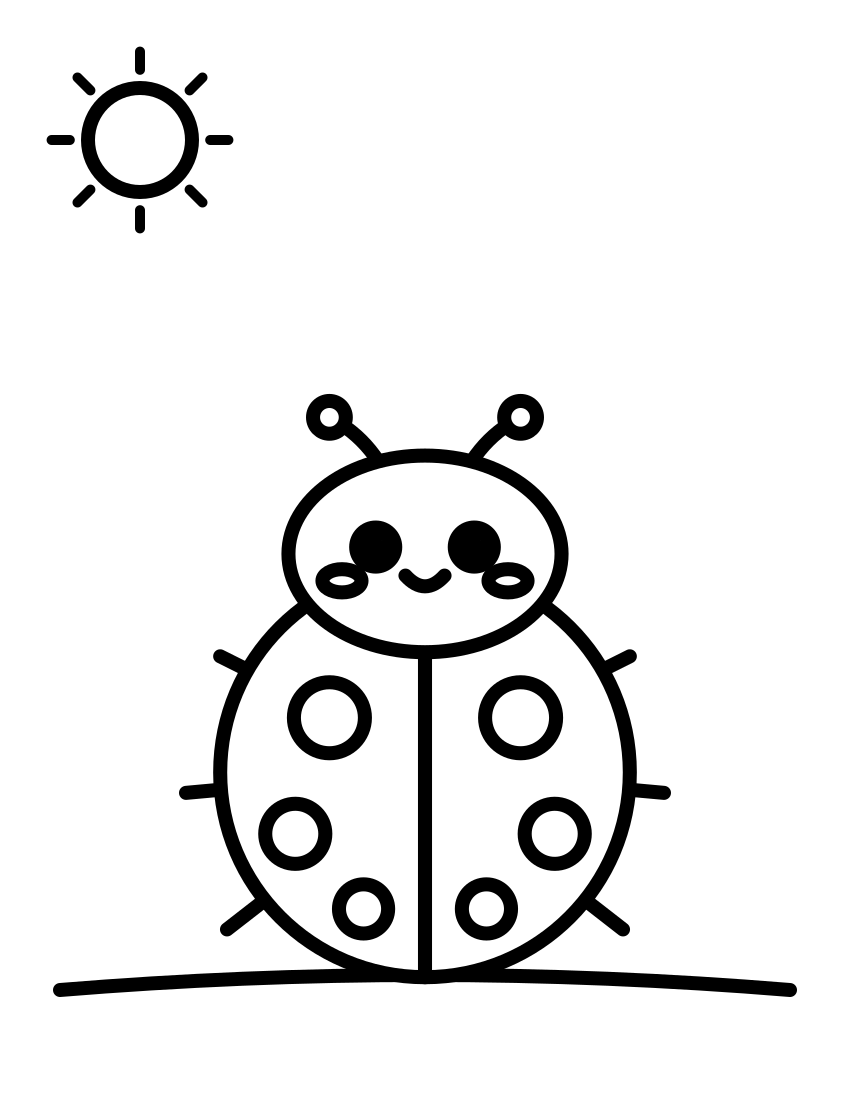
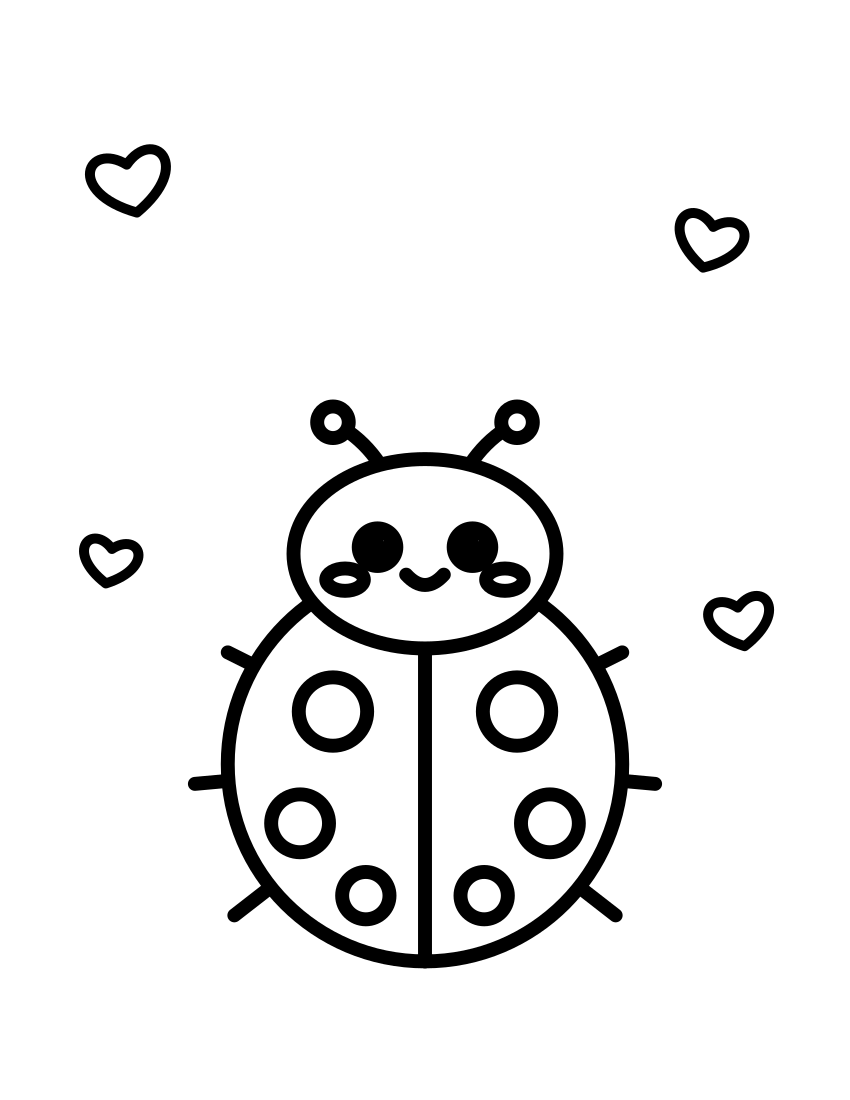
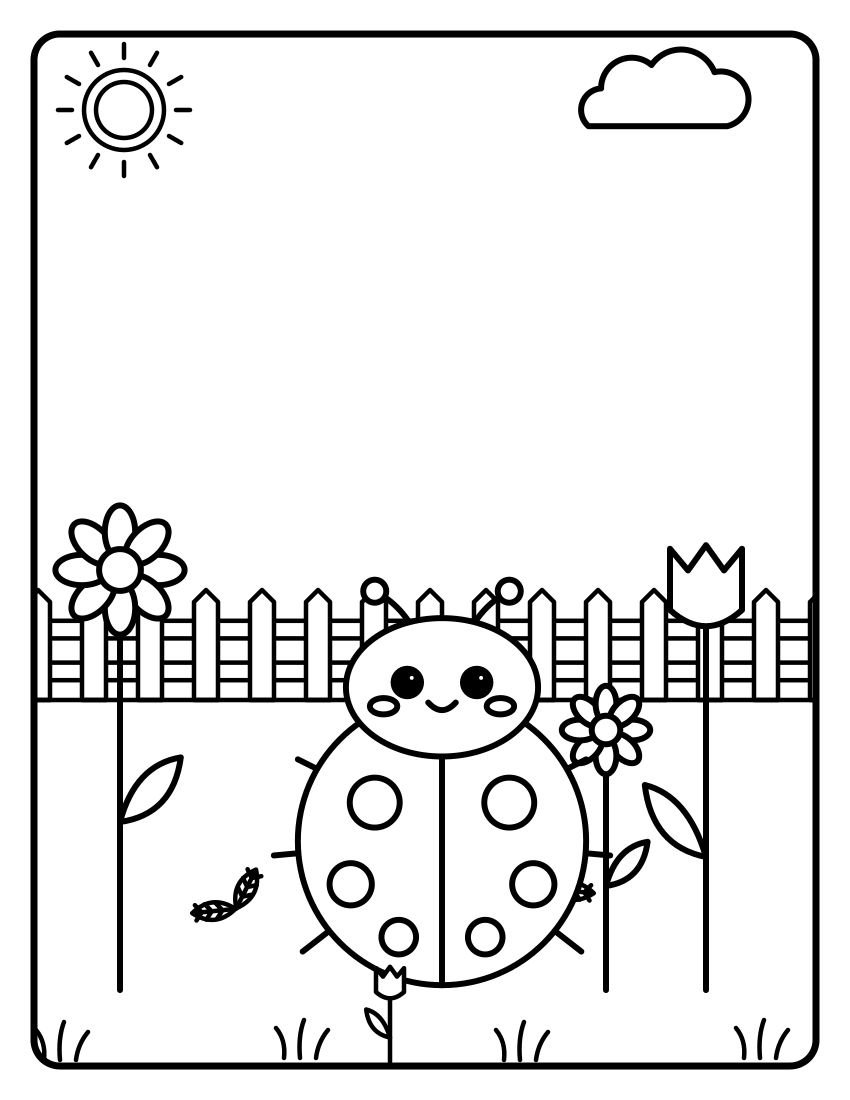
Easy ladybug coloring pages ages 3-6
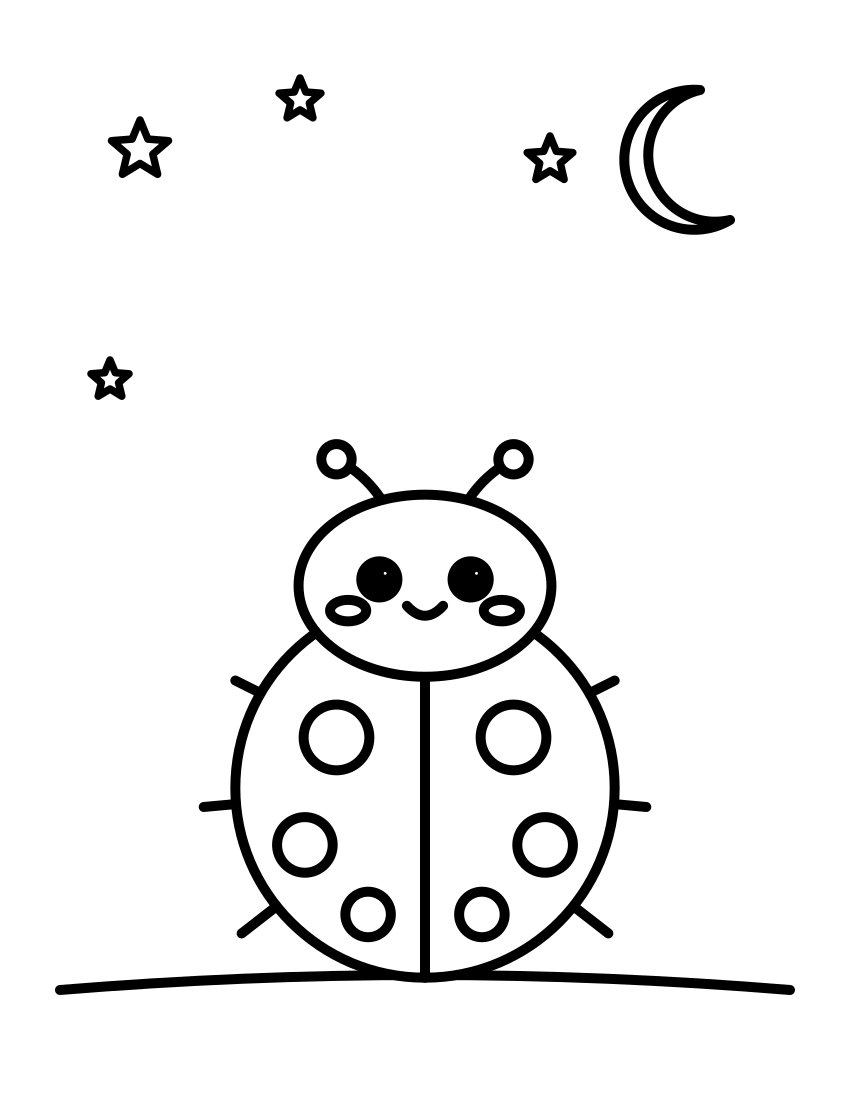
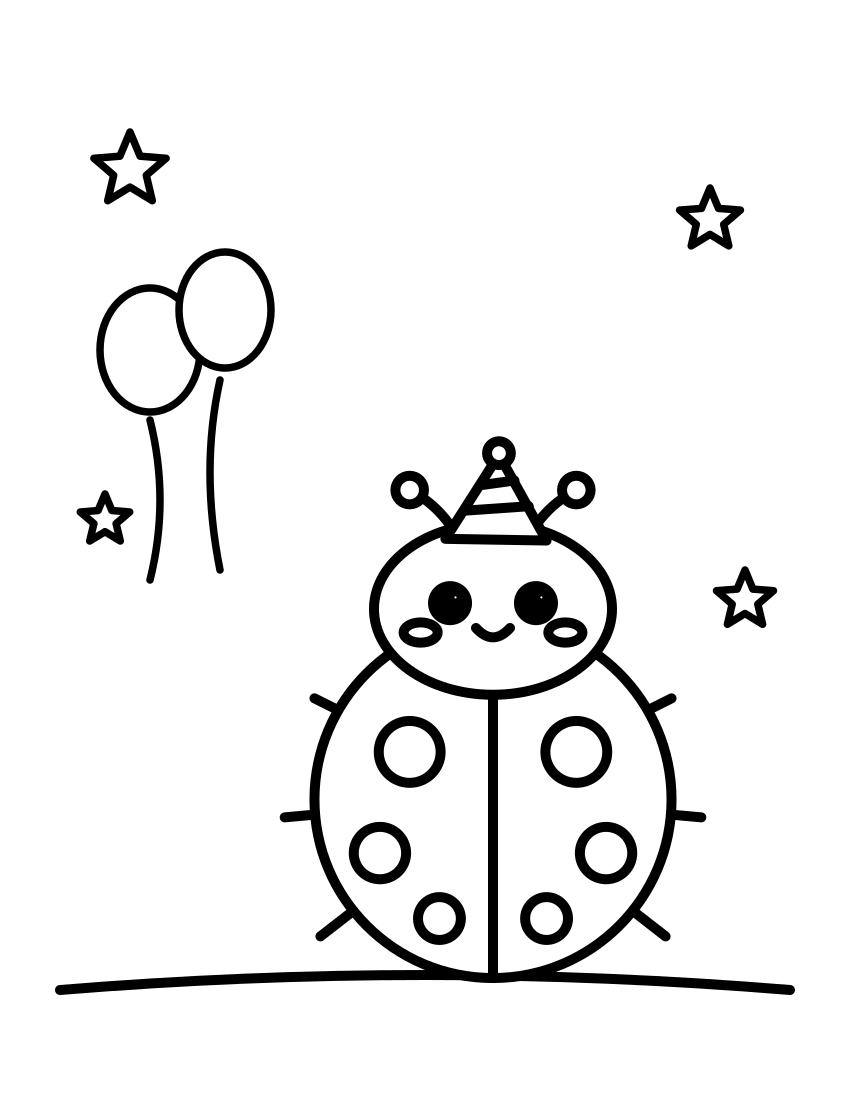
Medium ladybug coloring pages ages 6-10
Detailed ladybug coloring pages ages 10+ and adults
More ways to browse
Ladybugs are one of the first bugs many kids learn to love because they are small, round and harmless. They help gardens by eating aphids, tiny insects that hurt plants. Most people picture red with black spots, but ladybugs can also be orange, yellow, pink or black with red spots. Spots make these pages handy for early counting.
Kids can color the red shell first and then fill the spots with a black marker. For a 3D look, glue a colored ladybug onto a painted rock or a halved paper cup.
Fun facts to share while you color
- Ladybugs are a kind of beetle and are also called ladybirds or lady beetles.
- Ladybugs eat aphids, tiny bugs that harm garden plants.
- A ladybug's bright colors warn birds that it tastes bad.
- The number of spots on a ladybug depends on its kind, not its age.
- Ladybugs have hard wing covers that open so their thin flying wings can come out.
Ways to use these ladybug pages
- Roll a die and draw that many spots on a ladybug before coloring it.
- Make a ladybug matching game where pairs of ladybugs have the same number of spots.
- Glue colored ladybugs onto a big paper leaf for a spring garden display.
- Ask kids to imagine a day in a ladybug's life and tell a story about it.
Questions parents and teachers ask
Do ladybug spots show how old it is?
No. That is a common myth. The number of spots depends on the kind of ladybug, and some kinds have no spots at all.
What colors can ladybugs be?
Most are red or orange with black spots, but some are yellow, pink or black with red or yellow spots.
How can I use ladybug pages for math?
Ask kids to count, add or match spots. Younger children can draw a set number of spots, and older ones can make addition problems from the two wings.