Swan Coloring Pages
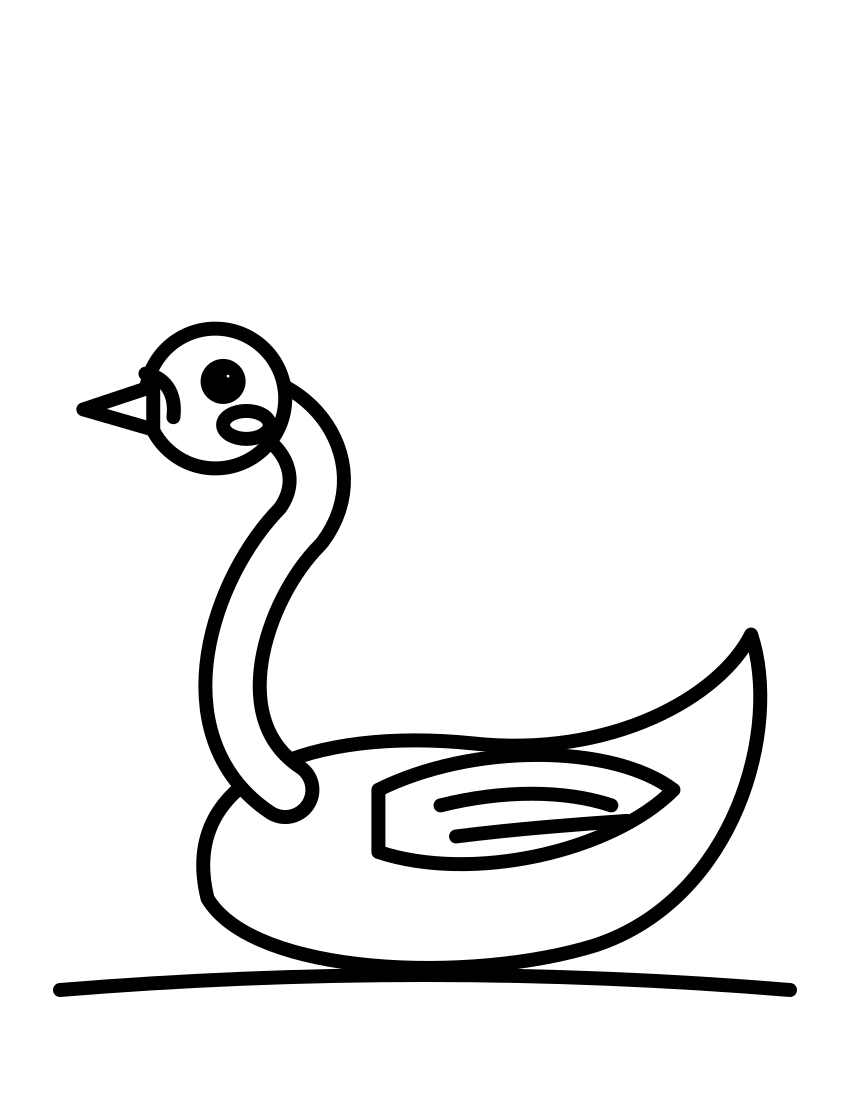
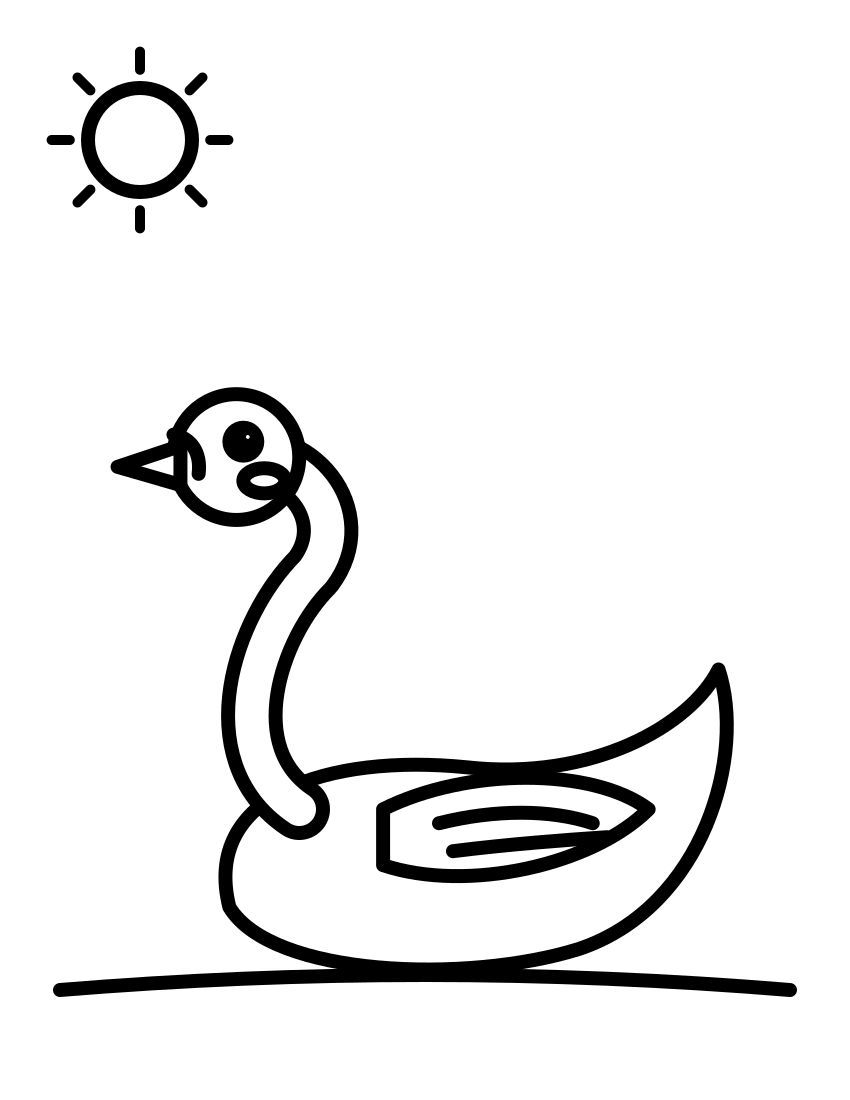
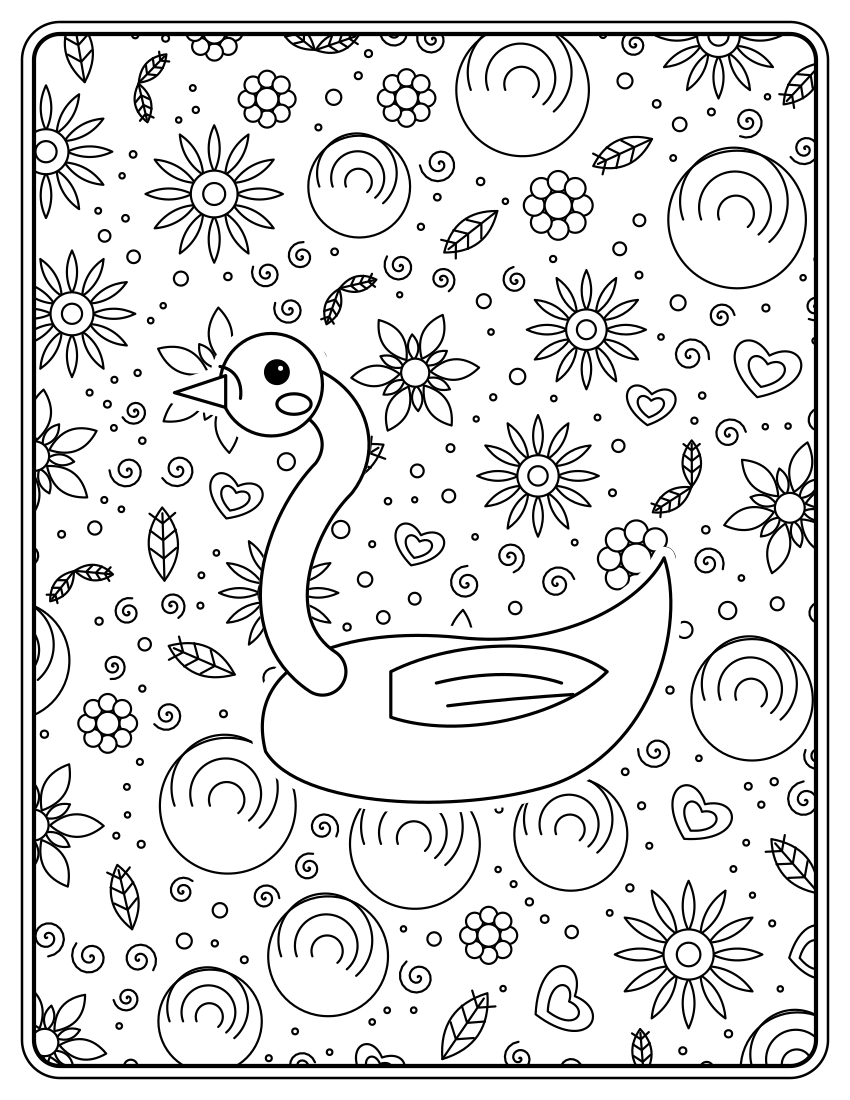
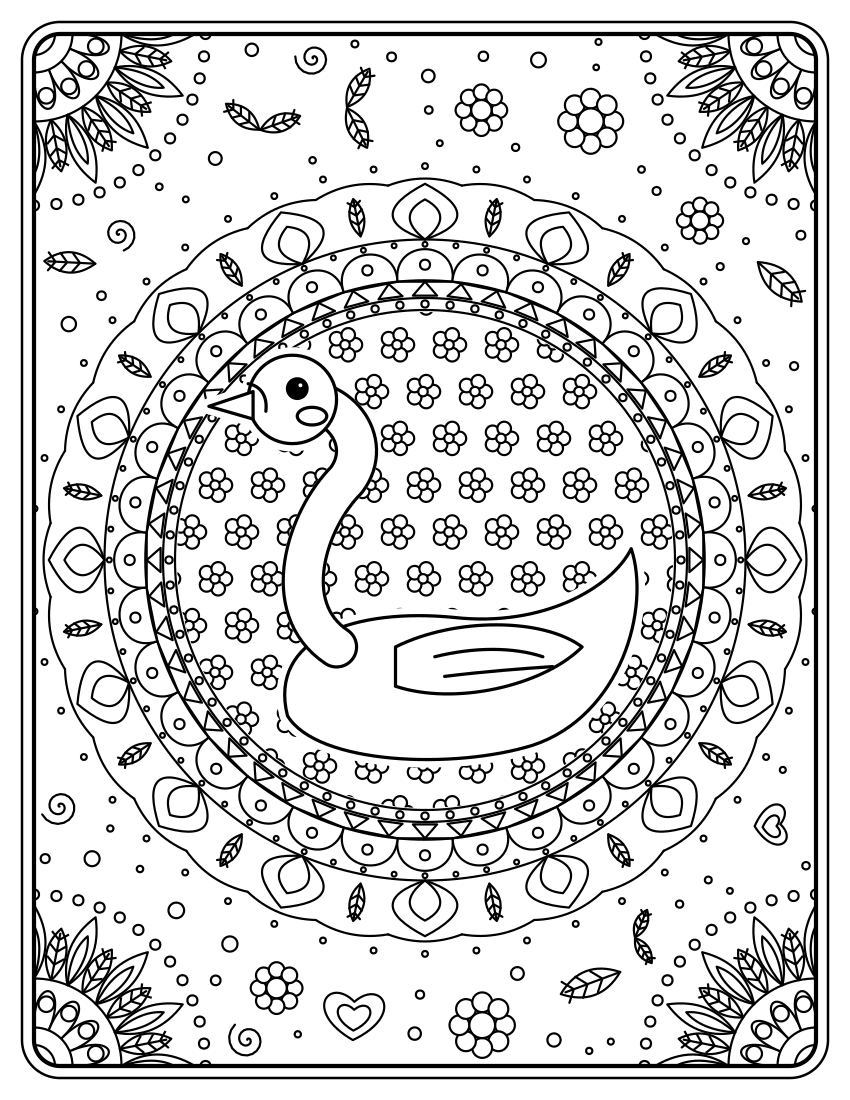
Swan coloring pages show graceful birds gliding on ponds and lakes, with simple pages for preschoolers and detailed feather and water scenes for older kids and adults.
Very simple swan coloring pages ages 2-4
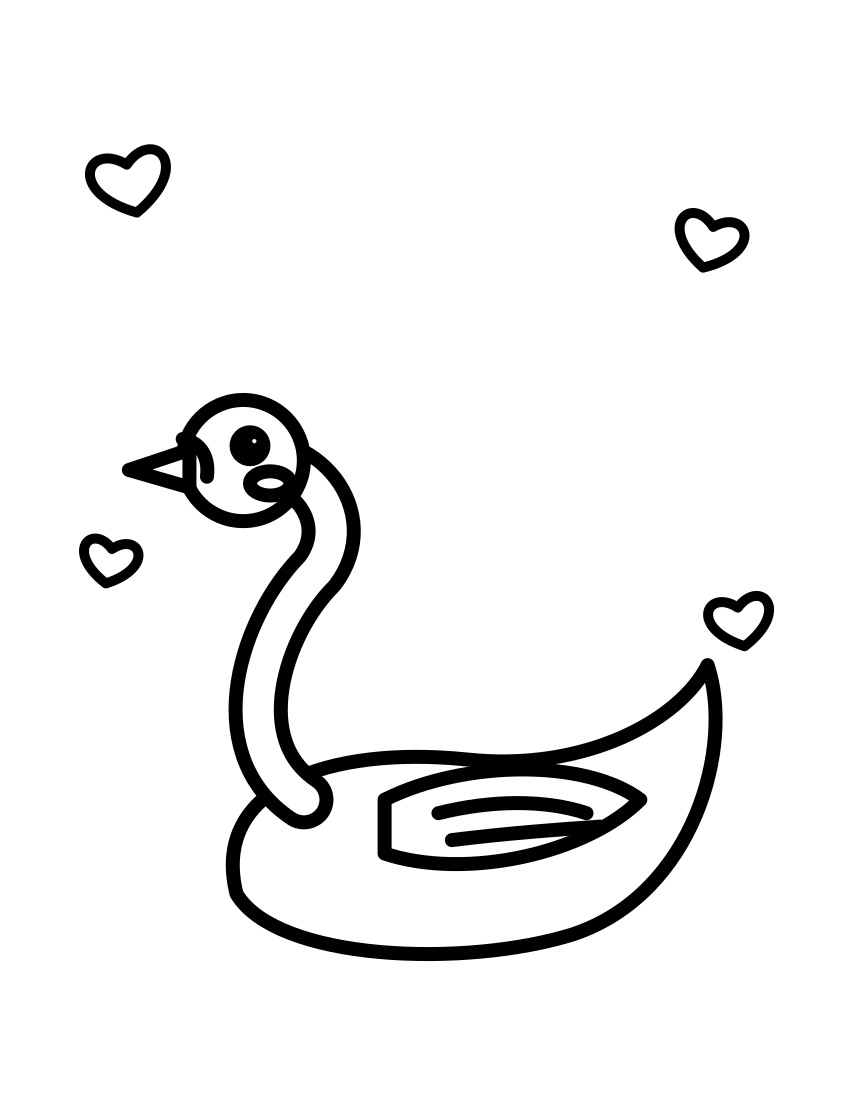
Easy swan coloring pages ages 3-6
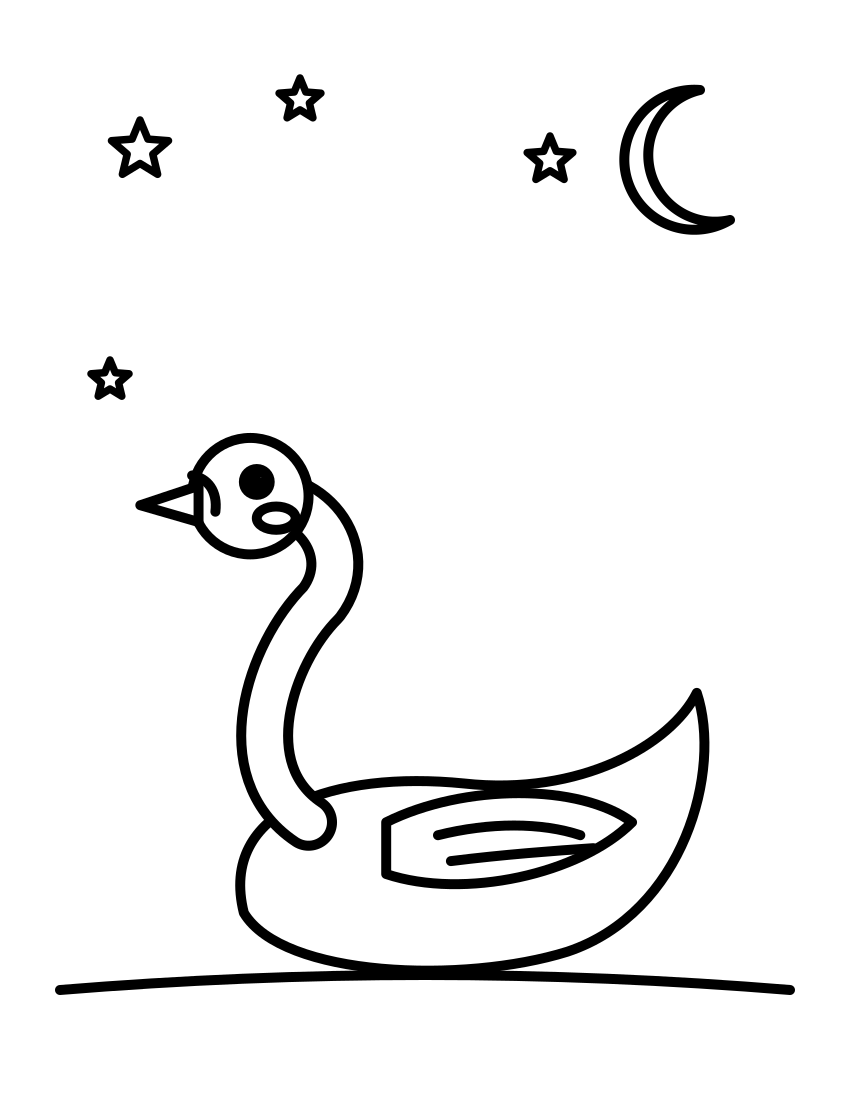
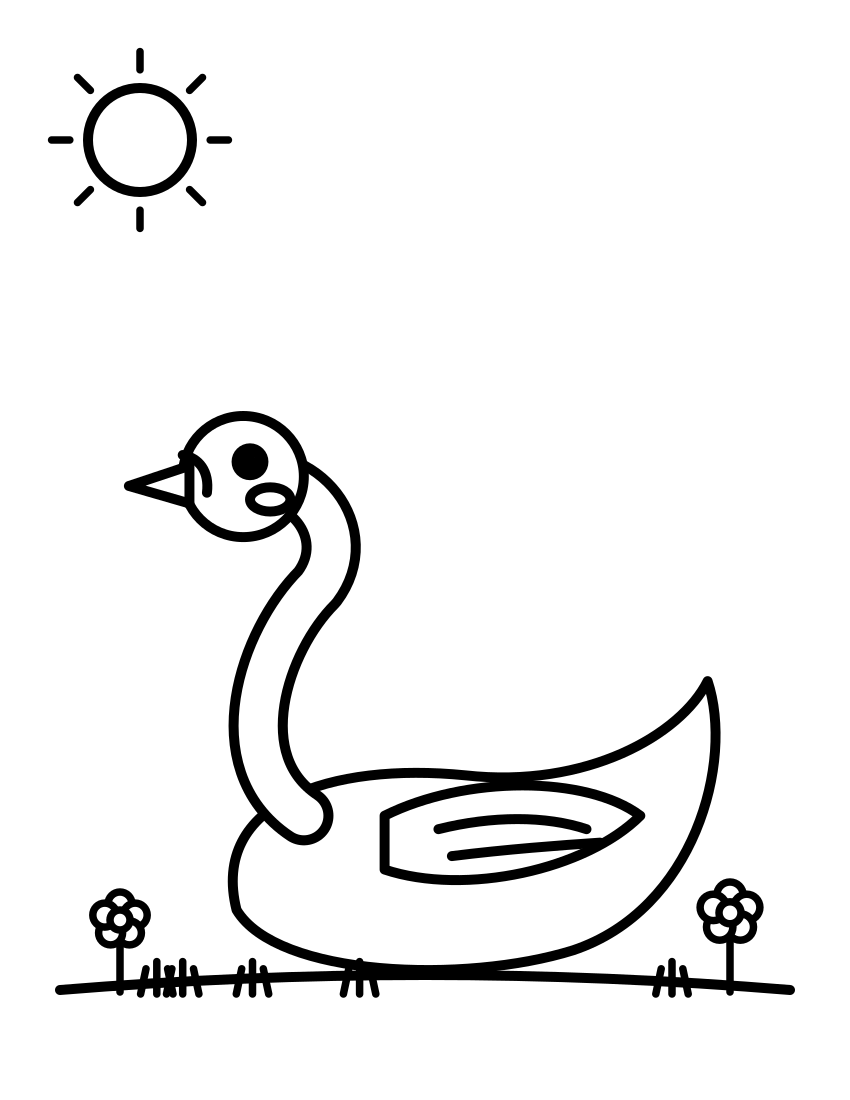
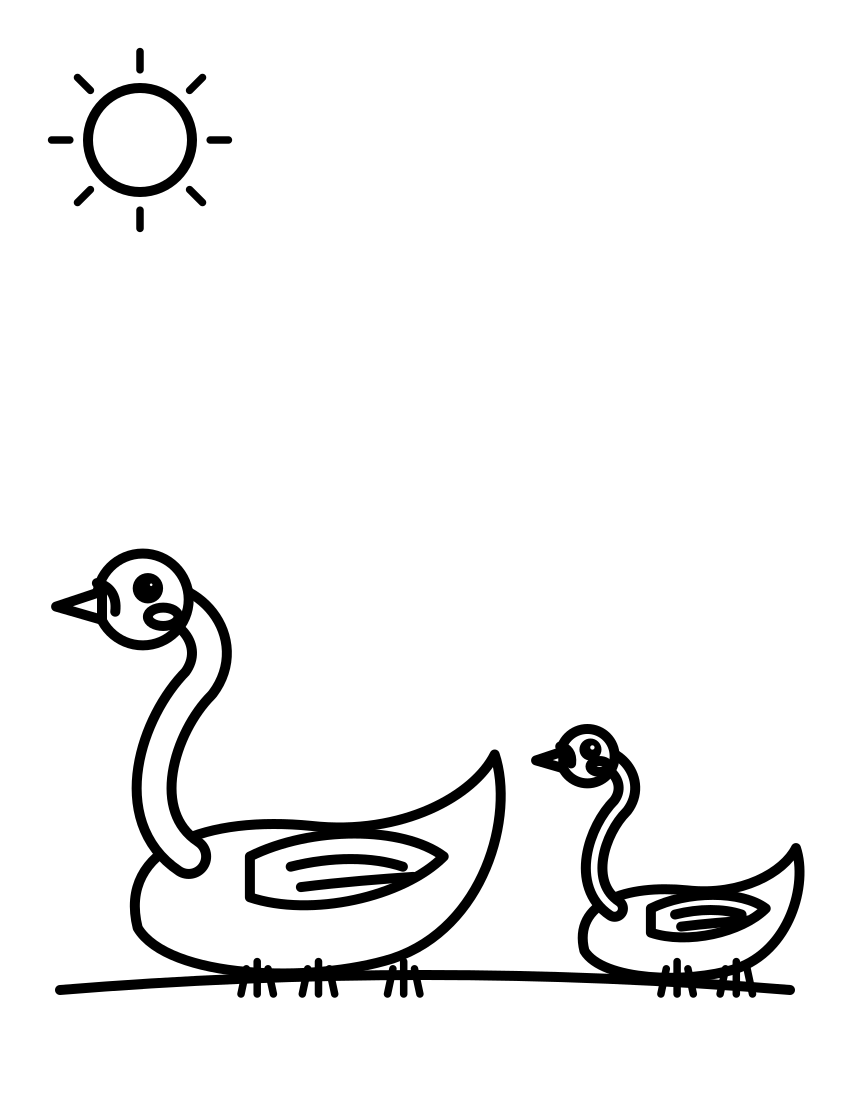
Medium swan coloring pages ages 6-10
Detailed swan coloring pages ages 10+ and adults
More ways to browse
Children often notice the swan's long curving neck first. Most swans in the US are white, with orange or black bills, while black swans come from Australia and have red bills. Swan families are a sweet talking point: babies are called cygnets and are gray and fluffy. These pages also fit a lesson on fairy tales or a spring pond theme.
A white swan on white paper looks best when kids color the water and background around it. Add a light gray or pale blue shade along the bottom of the body and under the wings.
Fun facts to share while you color
- A baby swan is called a cygnet.
- A male swan is called a cob and a female swan is called a pen.
- Black swans come from Australia and have bright red bills.
- Mute swans are white with an orange bill and a black knob near the top.
- Swan pairs often stay together for many years and raise their cygnets as a team.
Ways to use these swan pages
- Color a swan family and give each cygnet a name, then tell a story about their first swim.
- Compare a swan and a duck page and list the differences in neck, size and bill.
- Glue cotton balls onto a finished white swan for a soft feathery craft.
- Make a folded card with a swan pair on the front for a wedding or anniversary.
Questions parents and teachers ask
How do I color a white swan on white paper?
Color the water and sky first so the white body stands out. Then add soft gray shading under the wings, neck and body to show its shape.
What color is a baby swan?
Most cygnets are fluffy gray or brownish gray. They slowly turn white as they grow up, which kids can show by coloring a family in different shades.
Are there black swans?
Yes. Black swans are native to Australia. They have black feathers, a red bill and white tips on their wings.