Celtic Knot Coloring Pages
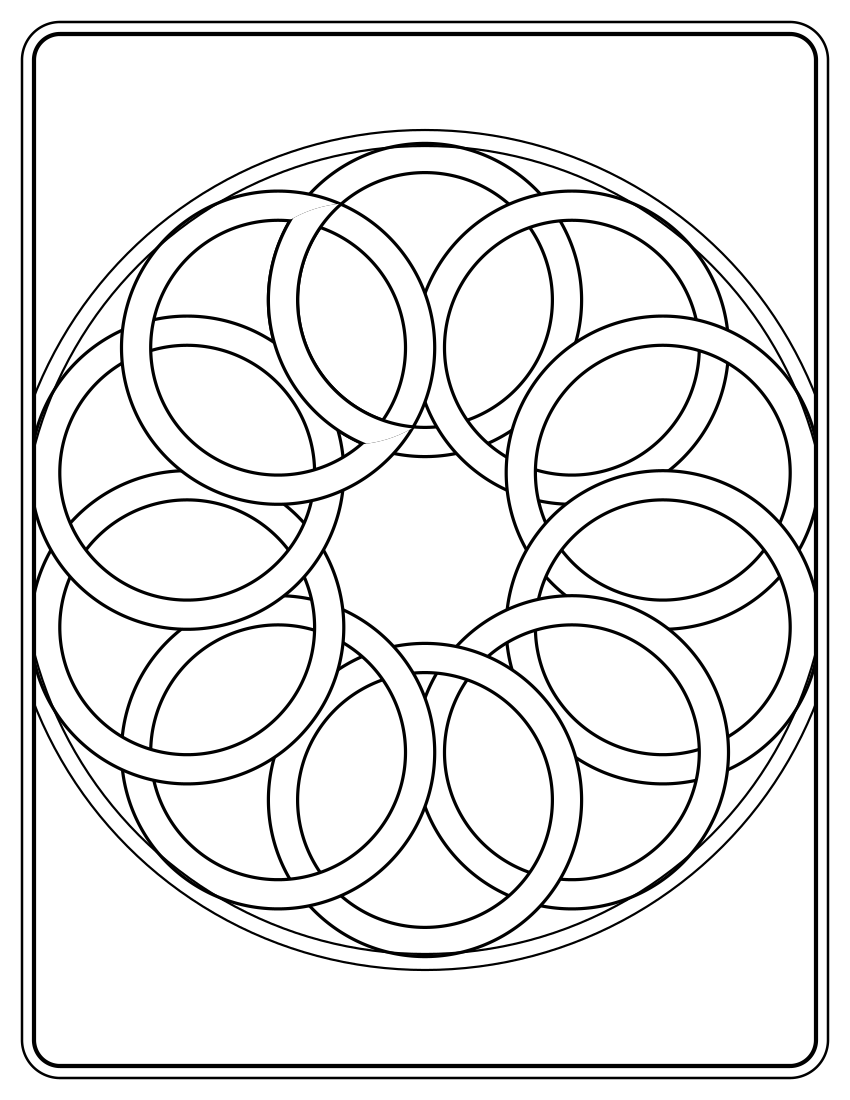
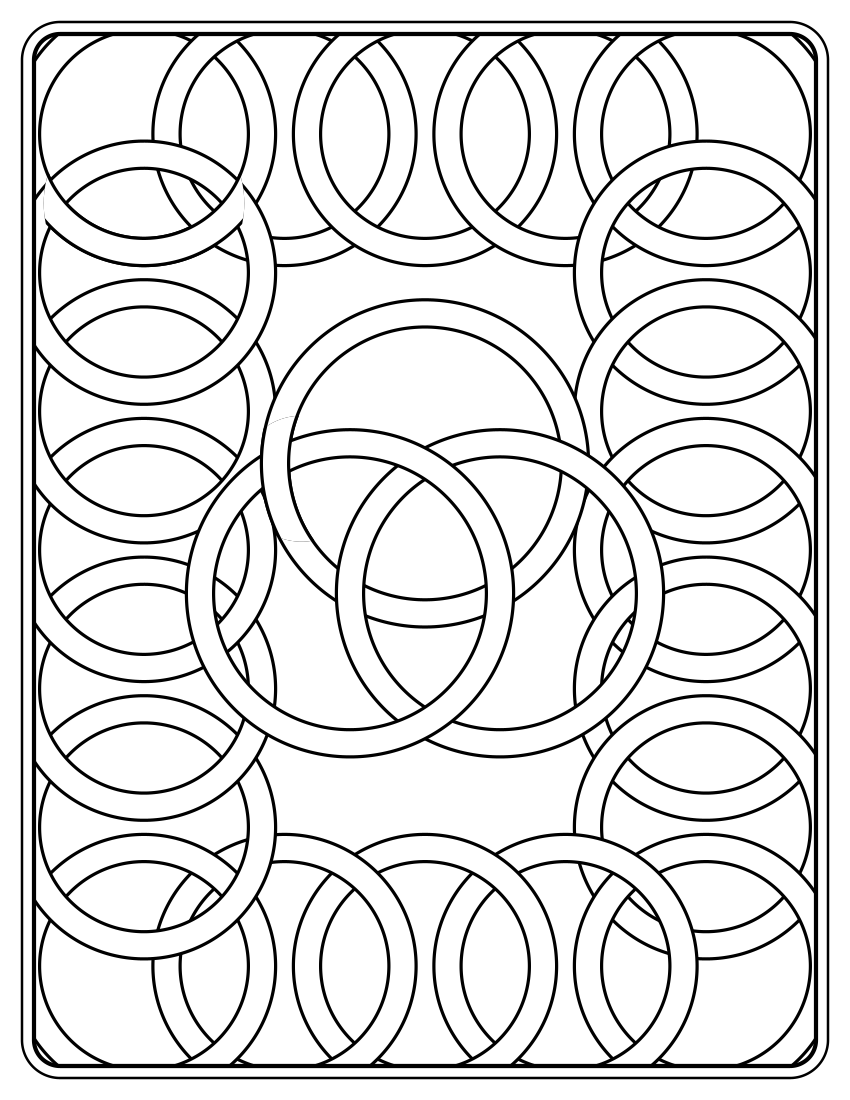
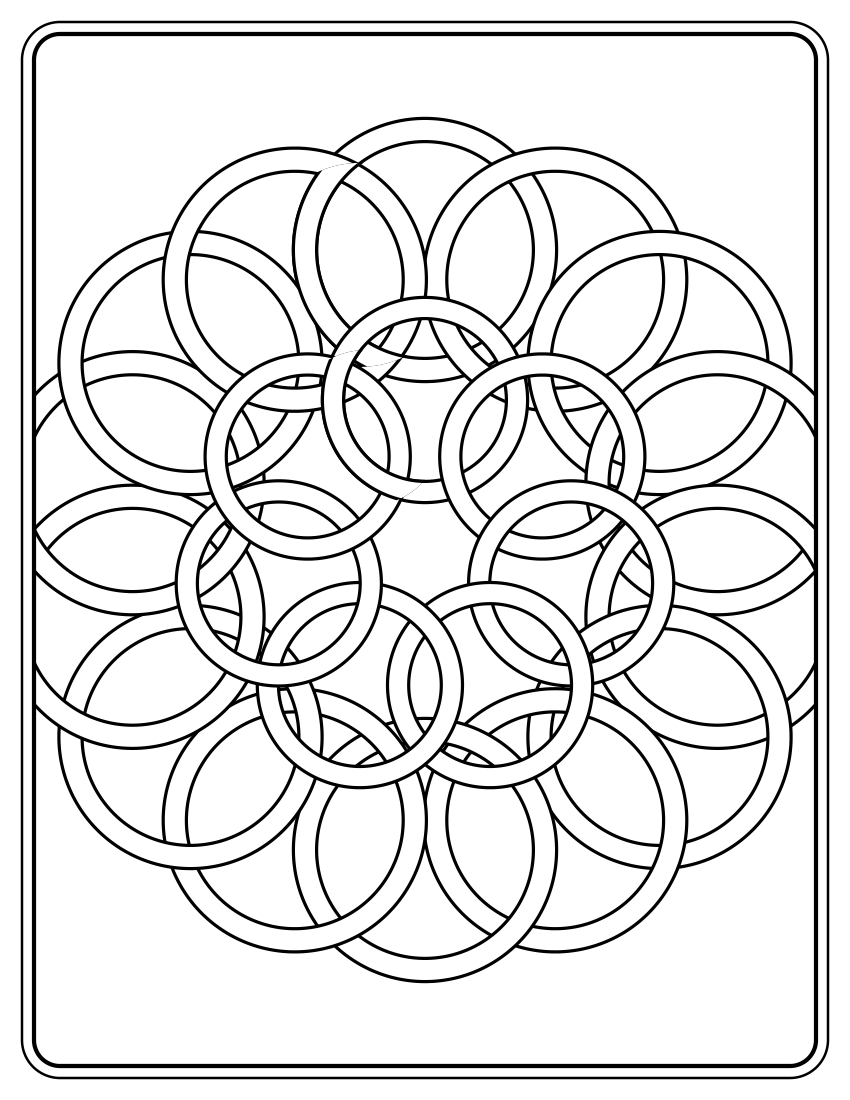
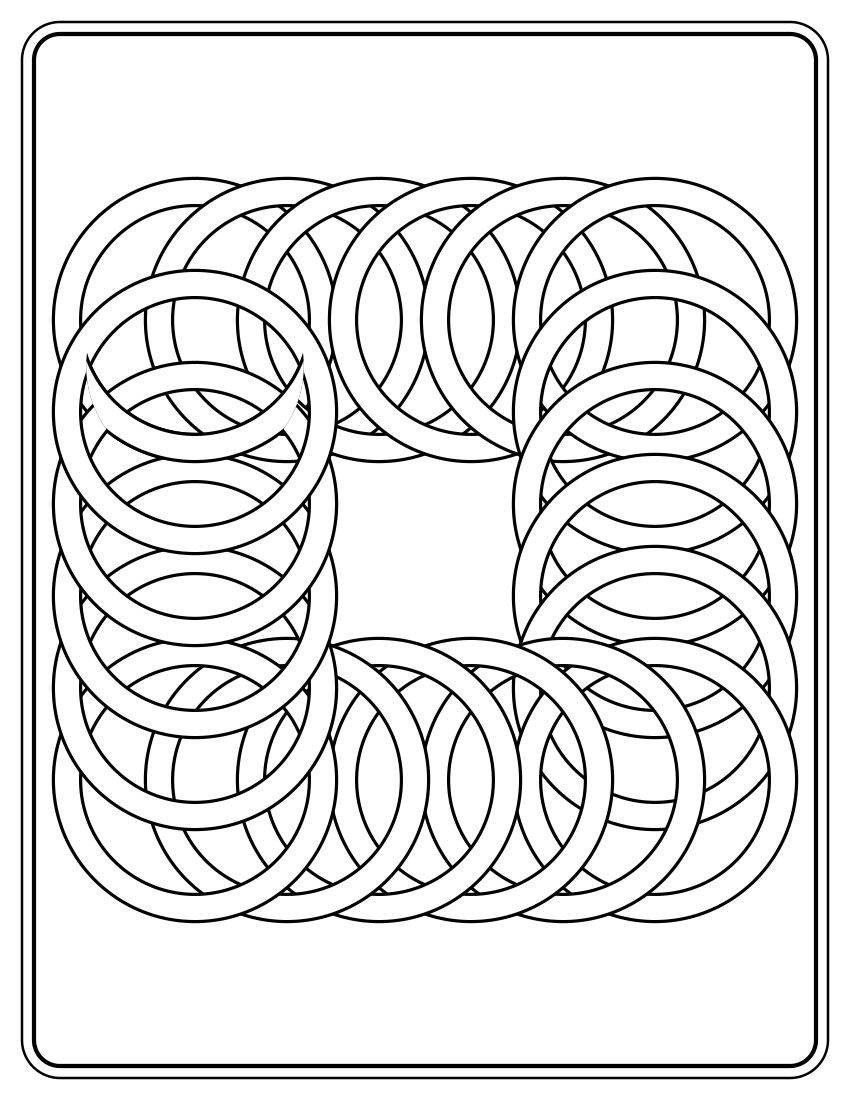
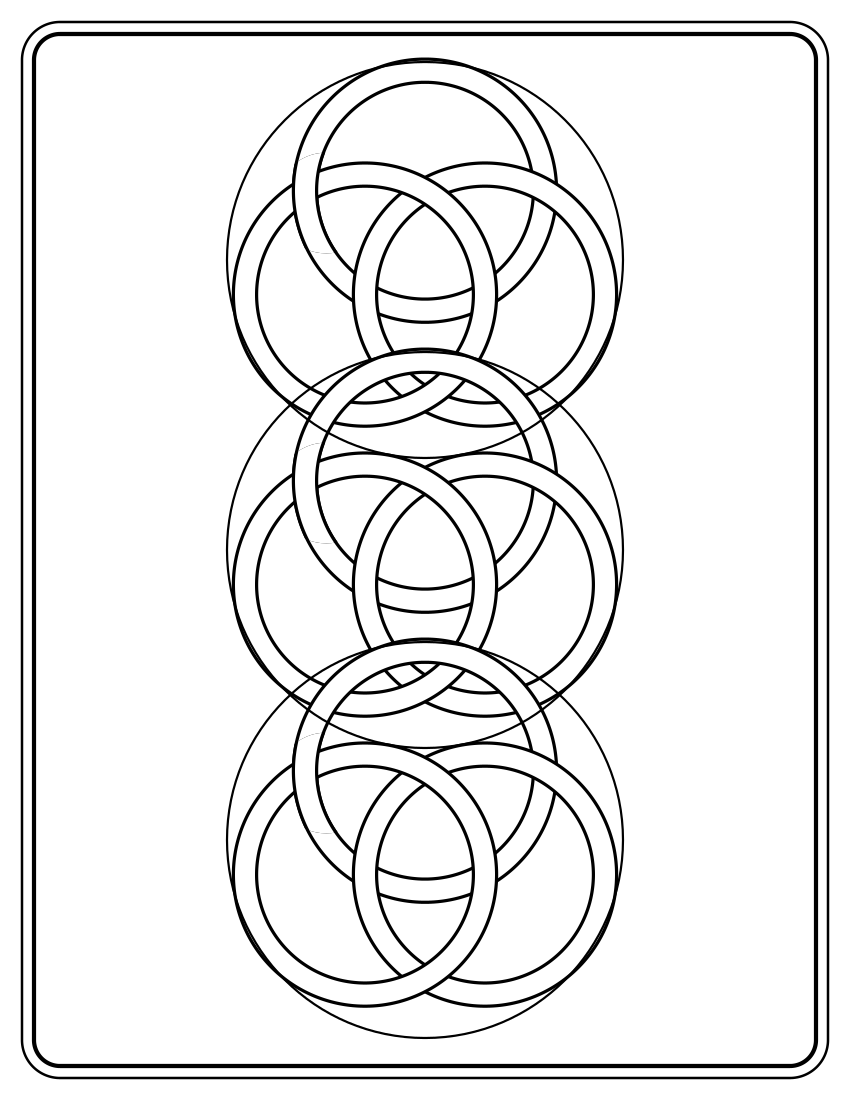
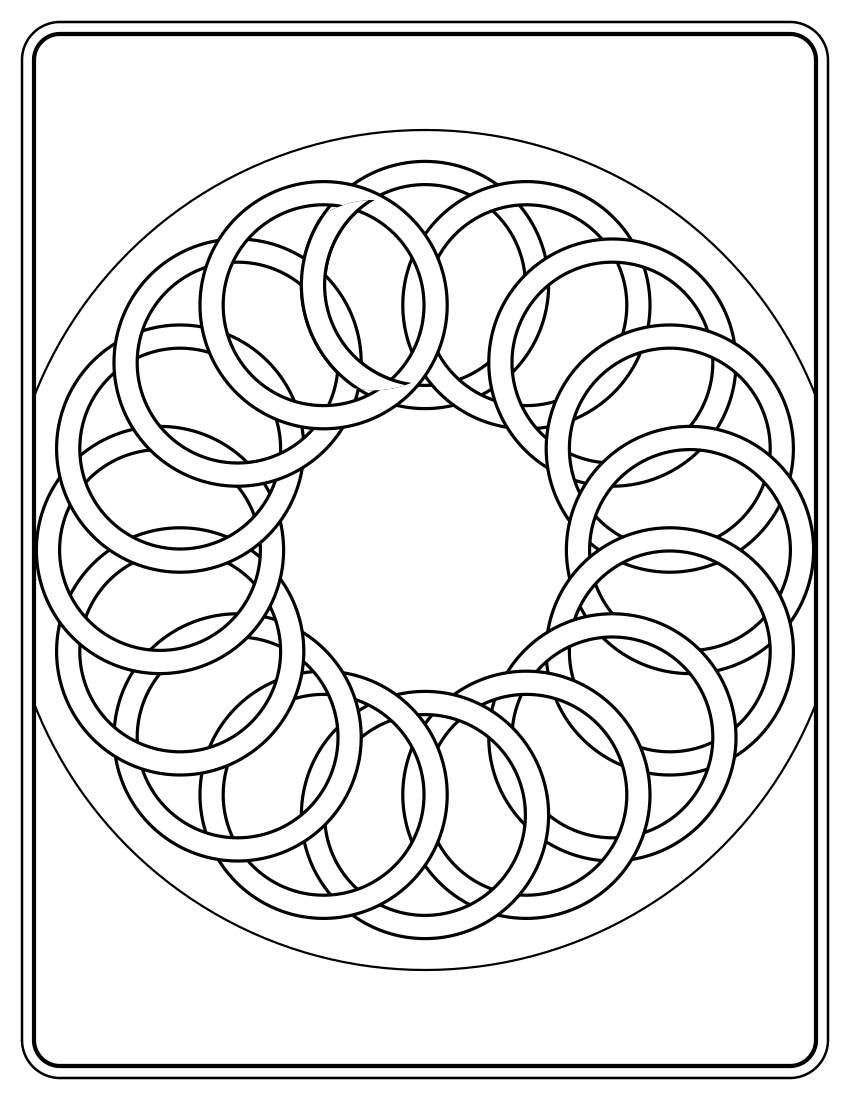
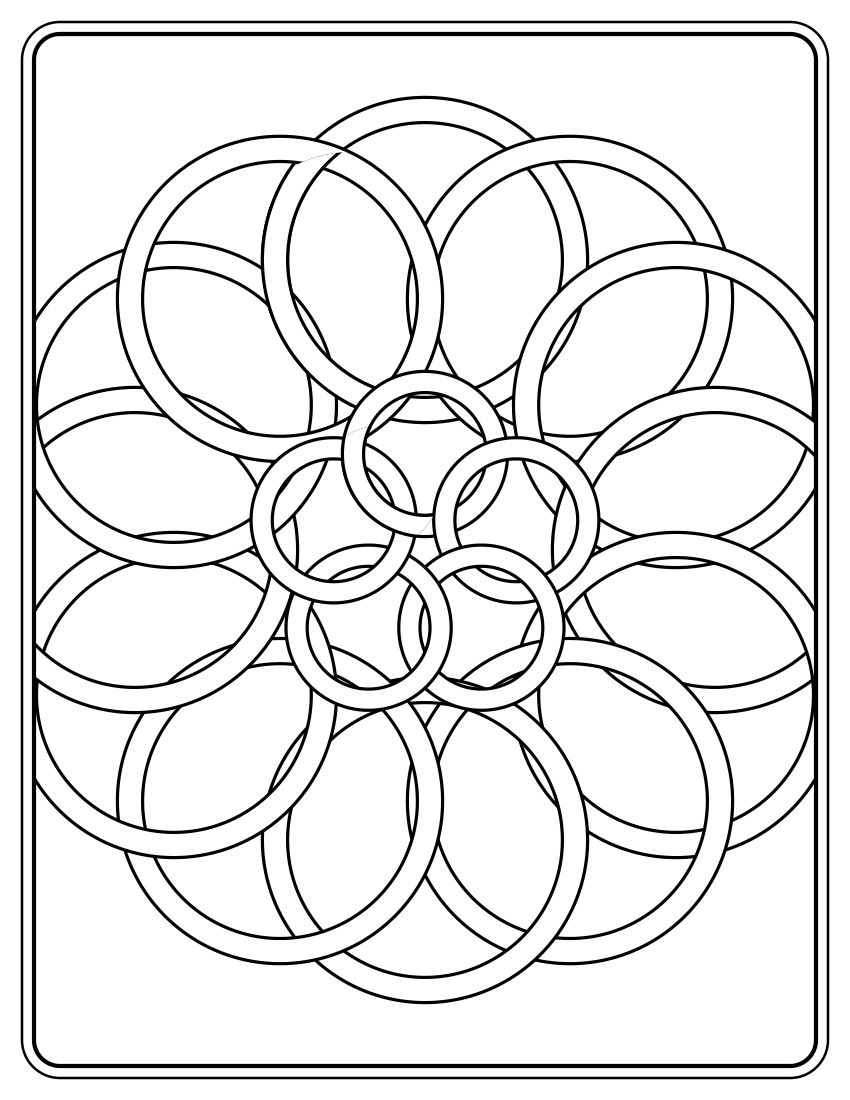
Celtic knot coloring pages feature unbroken bands that weave over and under each other in loops, circles and borders. They suit adults who like slow, precise coloring.
Easy celtic knot coloring pages ages 3-6
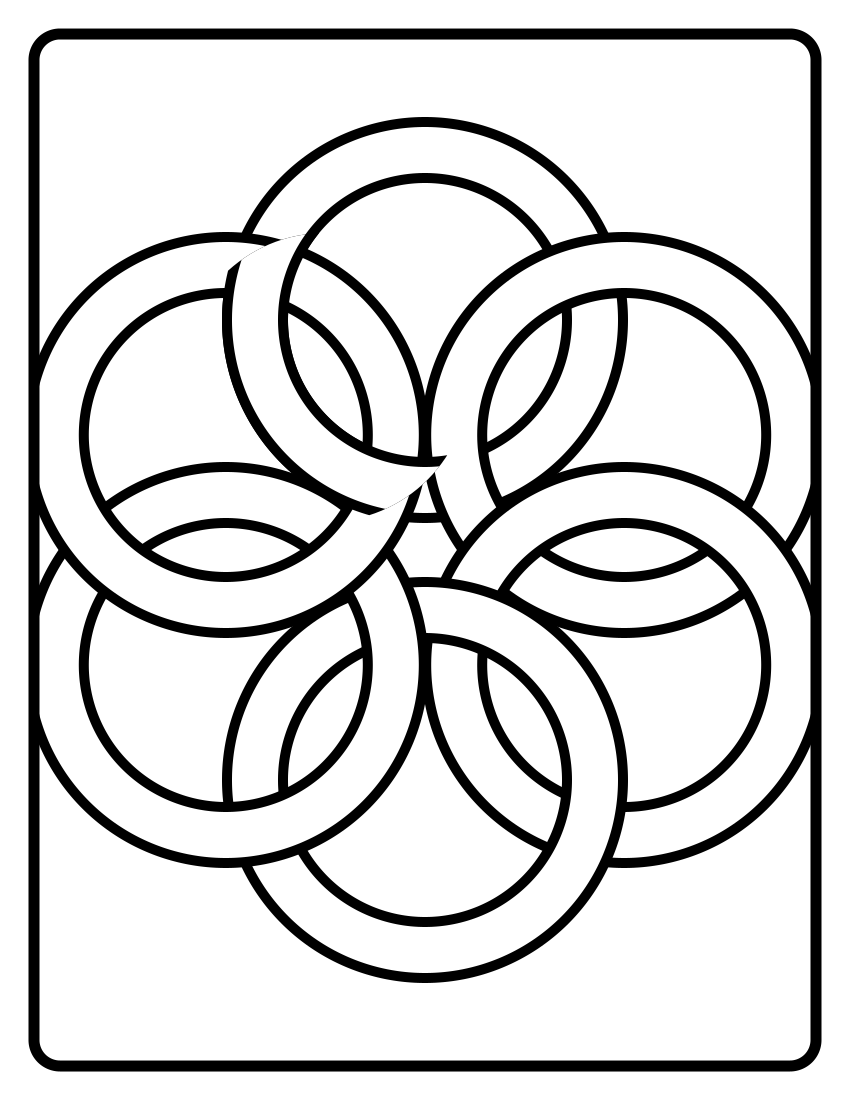
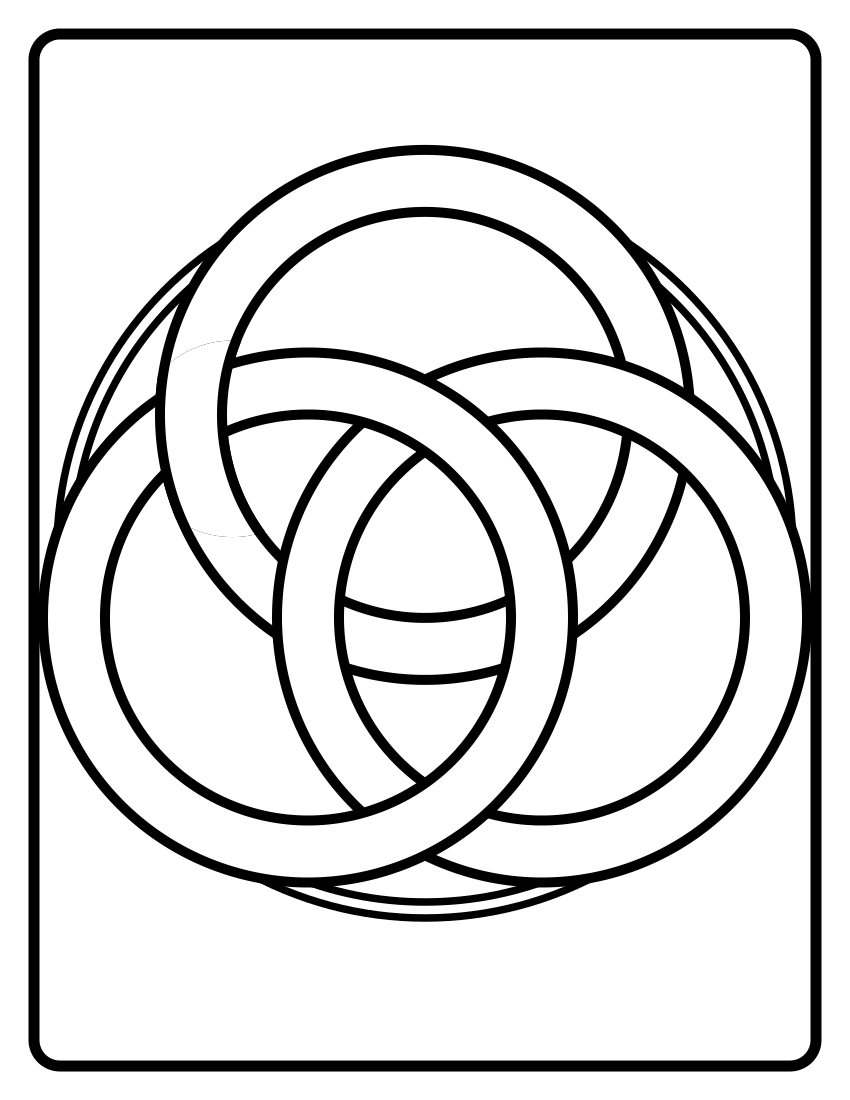
Medium celtic knot coloring pages ages 6-10
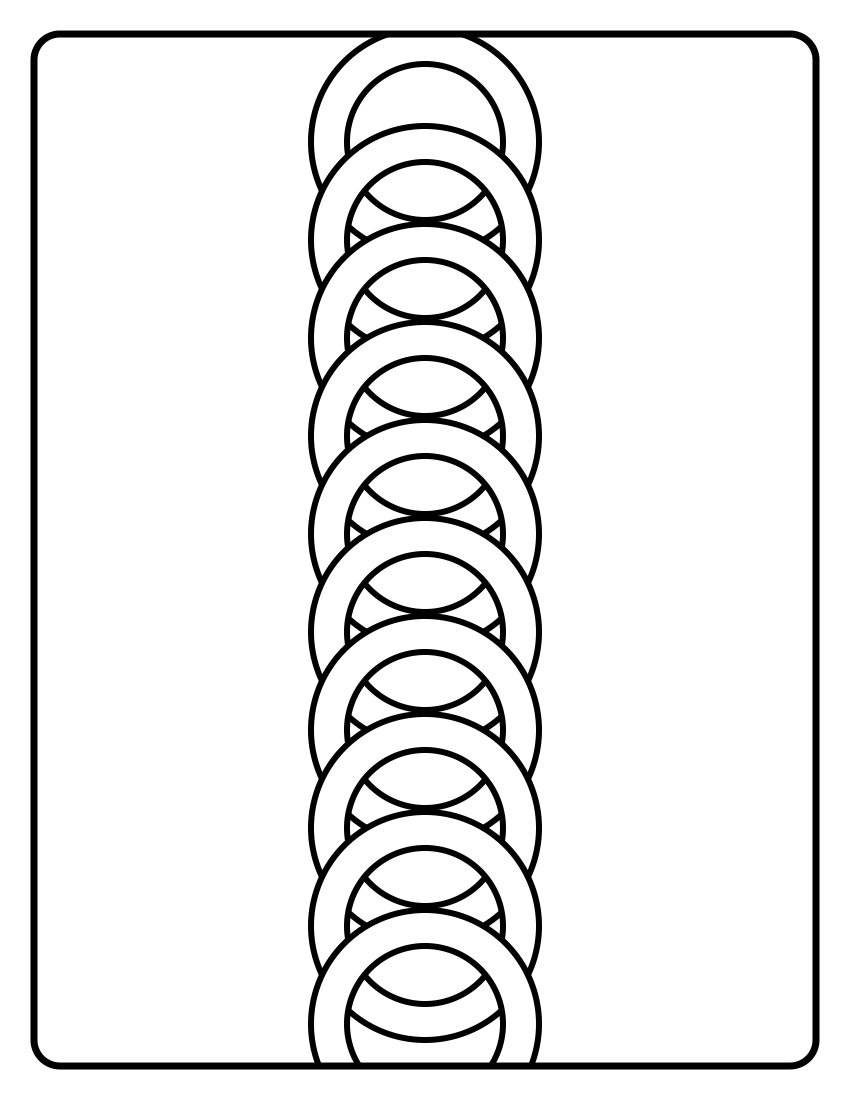
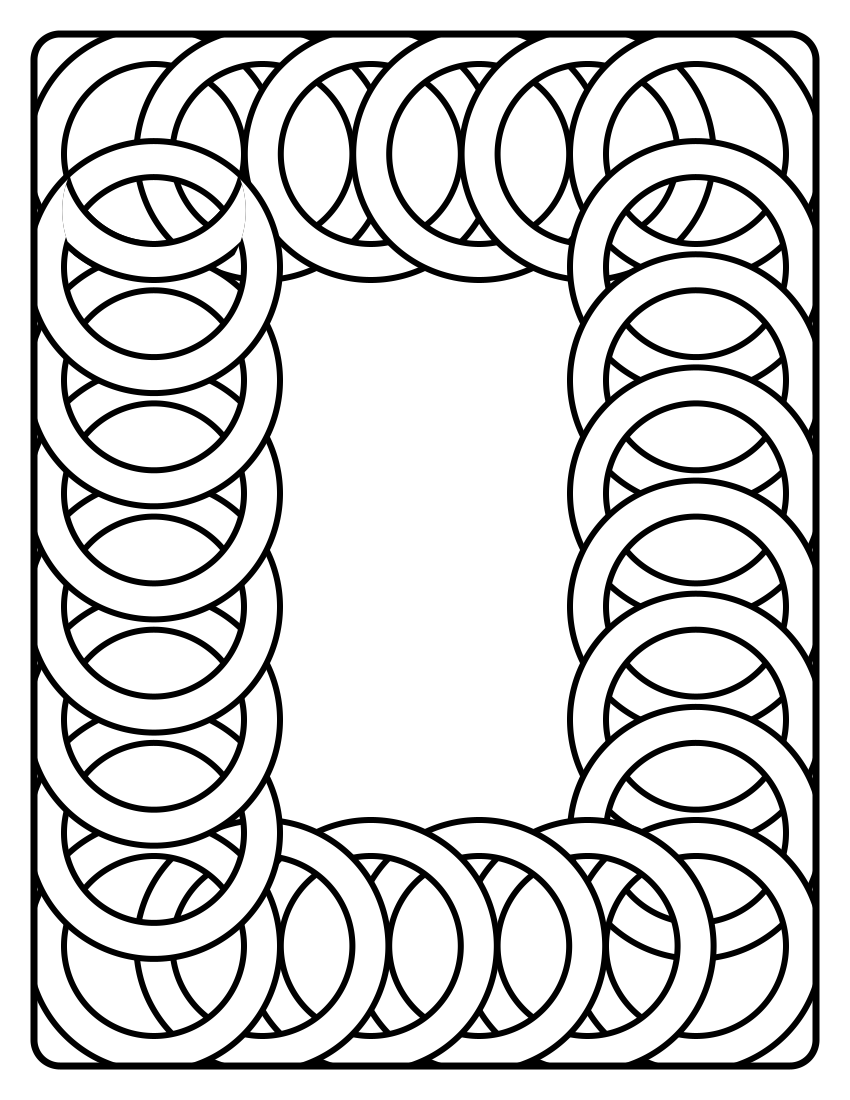
Detailed celtic knot coloring pages ages 10+ and adults
More ways to browse
Celtic knotwork fills early medieval Irish and British manuscripts and covers carved stone crosses. Following one band around the whole knot is part of the fun, and coloring it a single shade shows how the line never ends. Greens, golds and deep blues give a manuscript look. The theme also fits St. Patrick's Day or a lesson on medieval art.
To make the weave look three-dimensional, darken each band slightly just before it passes under another one. A sharp pencil or fine marker keeps the crossings crisp. Work in good light so you can see which band sits on top.
Fun facts to share while you color
- Celtic knots are made of lines that loop and weave over and under each other.
- Many Celtic knots have no beginning or end, because the line joins back to itself.
- The Book of Kells, made by monks over 1,200 years ago, is full of knot patterns.
- Knot patterns are carved on old stone crosses in Ireland and Scotland.
- The triquetra is a three-cornered knot often seen in Celtic designs.
Ways to use these celtic knot pages
- Trace one band with your finger from start to finish, then color it before moving to the next band in a new color.
- Color a knot border and cut it out to frame a St. Patrick's Day card.
- In a history lesson, compare the page with photos of medieval manuscripts or carved stone crosses.
- Color the same knot twice, once band by band and once space by space, and see how the look changes.
Questions parents and teachers ask
What colors are used in traditional Celtic knots?
Medieval manuscripts used rich reds, yellows, greens and blues on pale parchment. Many people also color knots in shades of green for St. Patrick's Day.
Do Celtic knots have a meaning?
Historians are not sure what early knot patterns meant to their makers. Today many people see the endless line as a symbol of eternity or lasting connection.
How do I make the over-under weave stand out?
Shade the band a little darker where it slips under another band, and leave a thin white gap at each crossing.