Paisley Coloring Pages
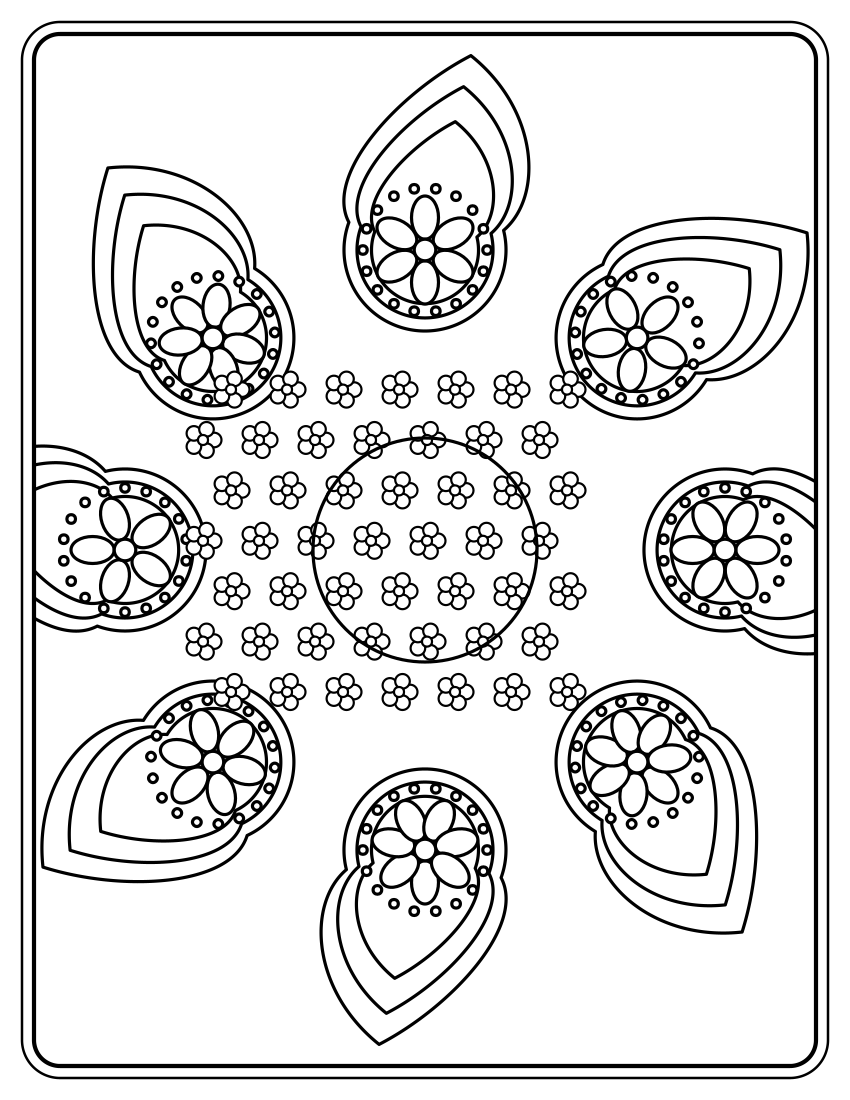
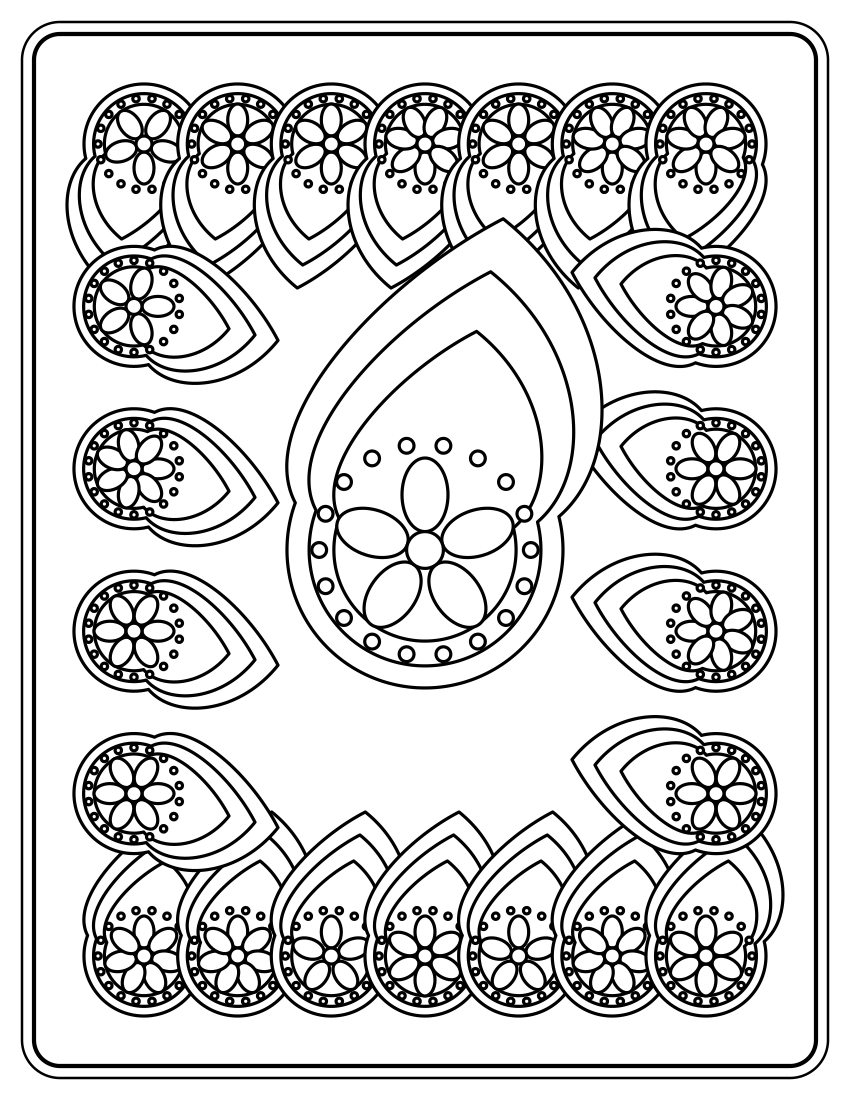
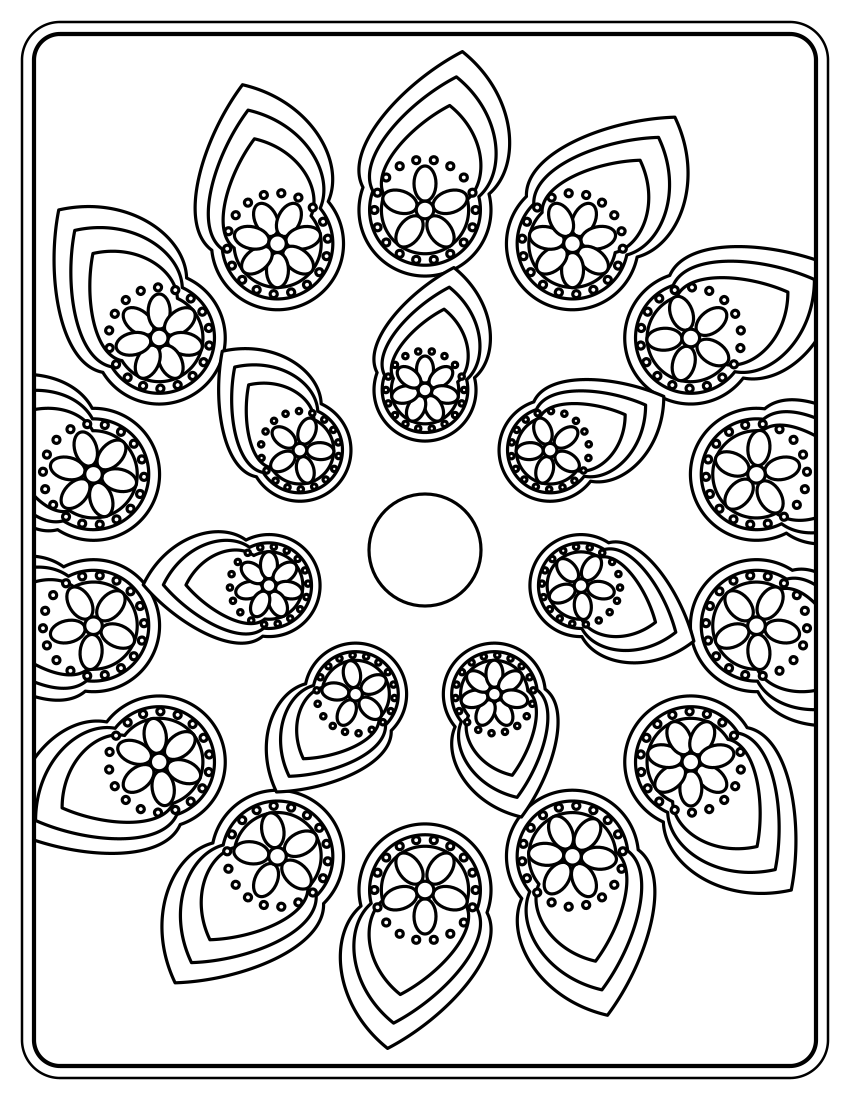
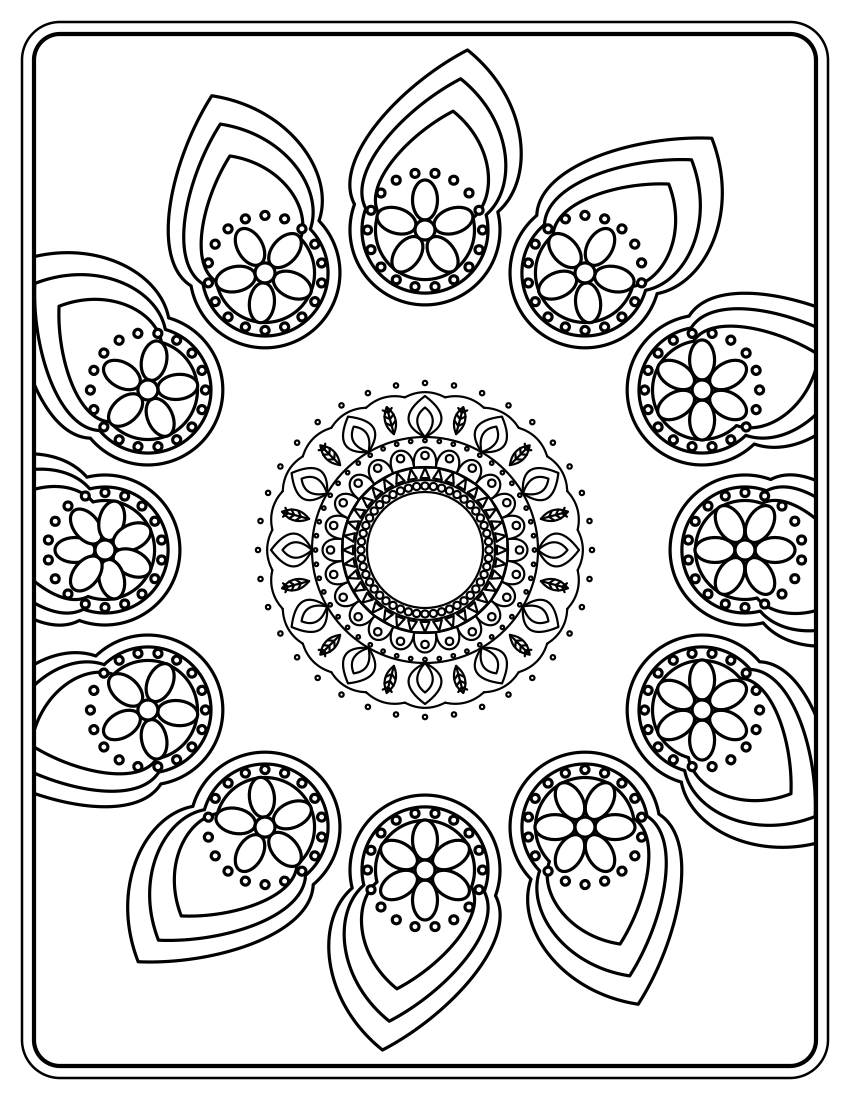
Paisley coloring pages center on the curved teardrop shape known from scarves, bandanas and fabrics. Adults who like detailed fills will find layered borders, dots and tiny petals to color.
Easy paisley coloring pages ages 3-6
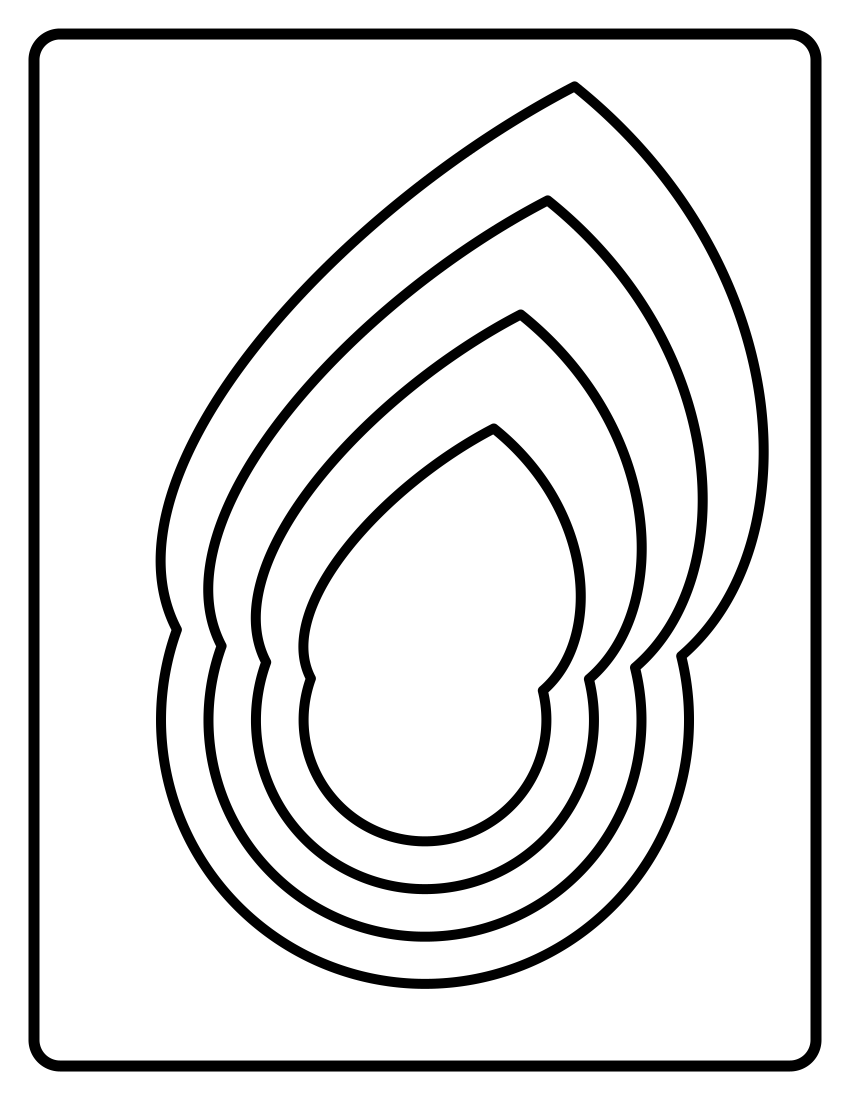
Medium paisley coloring pages ages 6-10
Detailed paisley coloring pages ages 10+ and adults
More ways to browse
Paisley comes from Persian and Indian textile design, where the shape is called a boteh or buta. It became famous in Europe through shawls woven in the Scottish town of Paisley, which gave the pattern its English name. For a traditional look, use deep red, saffron, indigo and olive green. For a modern take, try turquoise, coral and hot pink.
Paisley motifs have nested outlines, so color from the inside out, one band at a time. A fine-liner marker or sharp colored pencils keep the small dots and scallops neat and clean.
Fun facts to share while you color
- The paisley shape looks like a curved teardrop or a seed with a bent tip.
- The pattern came from Persia, now Iran, and from India long before it reached Europe.
- Paisley is named after a town in Scotland where weavers made shawls with the pattern in the 1800s.
- In India the shape is often linked to the mango and shows up in henna designs.
- Paisley patterns are common on bandanas, ties and scarves.
Ways to use these paisley pages
- Color a page, then cut out single teardrops and glue them along a plain card as a border.
- Find a real bandana or scarf at home and copy its colors onto your page.
- Try a two-color challenge using only navy and gold to mimic old woven shawls.
- In a world cultures lesson, pair the page with a map showing Iran, India and Scotland.
Questions parents and teachers ask
What colors are traditional for paisley?
Old Kashmir and Paisley shawls often used deep reds, saffron, indigo, green and cream. Bandanas made the pattern famous in red with white or navy with white.
What does the paisley shape mean?
Its origin is debated. Many historians link it to a plant, seed or flame shape from ancient Persian design.
Which pens work best for detailed paisley?
Fine-liner markers and well-sharpened colored pencils suit the dots and thin bands. Gel pens add shine to small accents, but let them dry so they don't smudge.