Kaleidoscope Coloring Pages
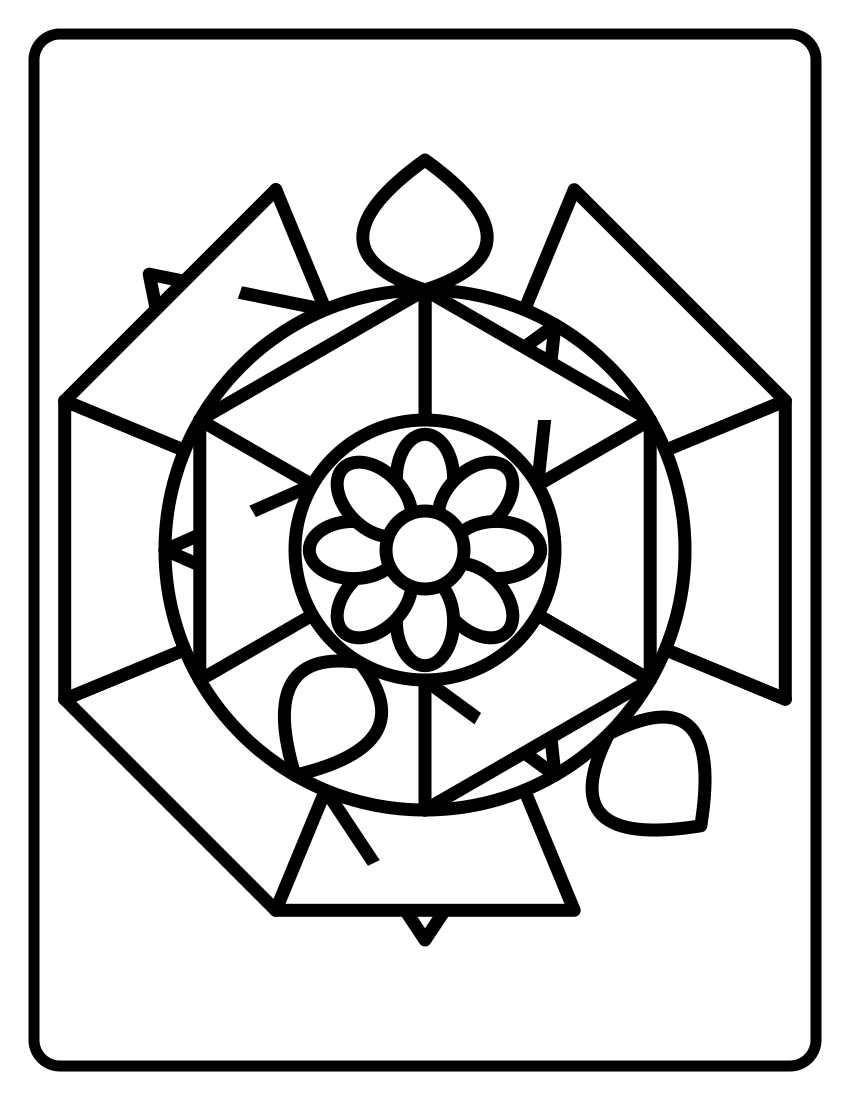
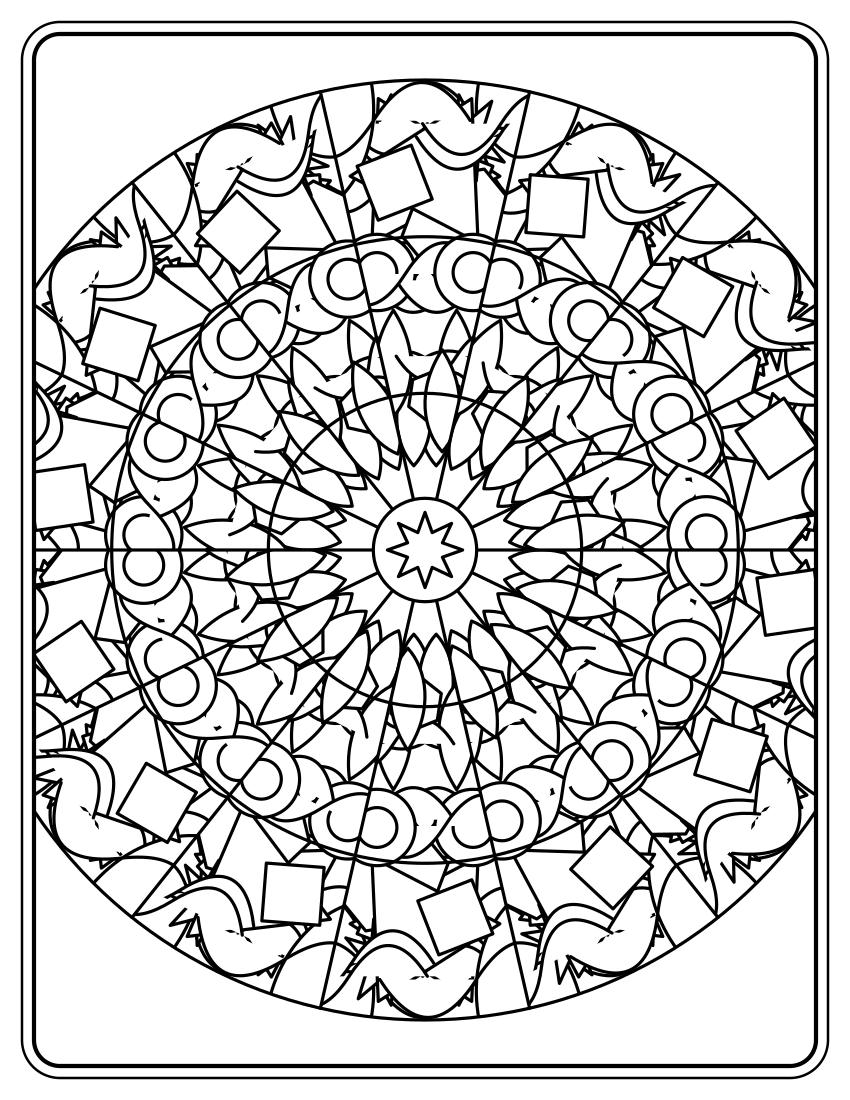
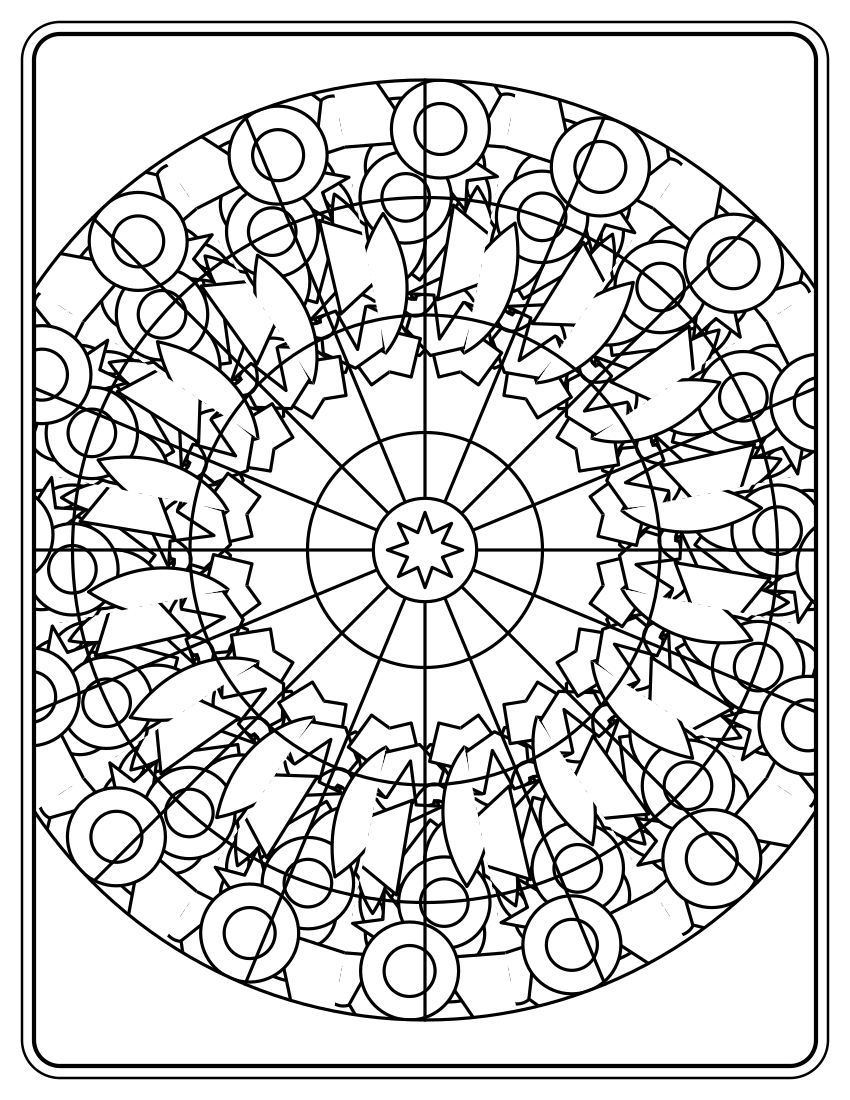
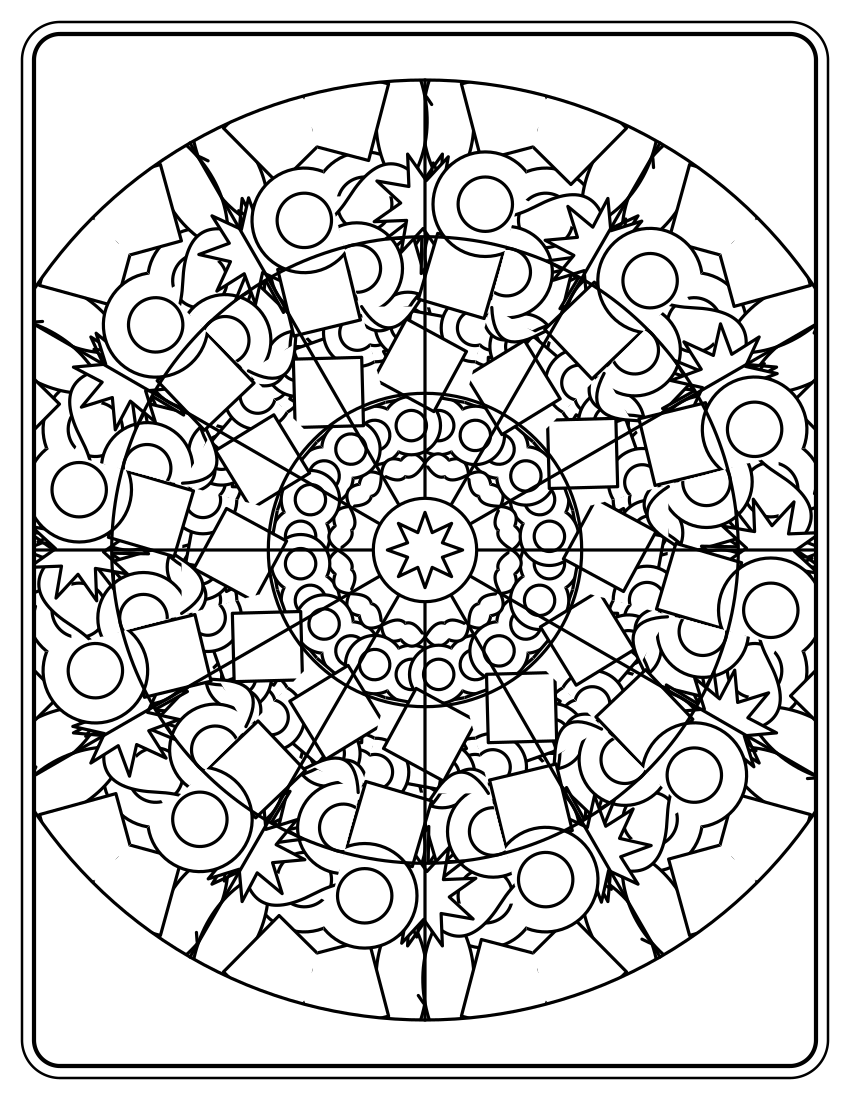
Kaleidoscope coloring pages take one wedge of shapes and mirror it around a center point, so the same pattern repeats again and again in a ring. They suit adults and teens who like symmetry, and the open designs work for anyone who wants a short, calm session.
Easy kaleidoscope coloring pages ages 3-6
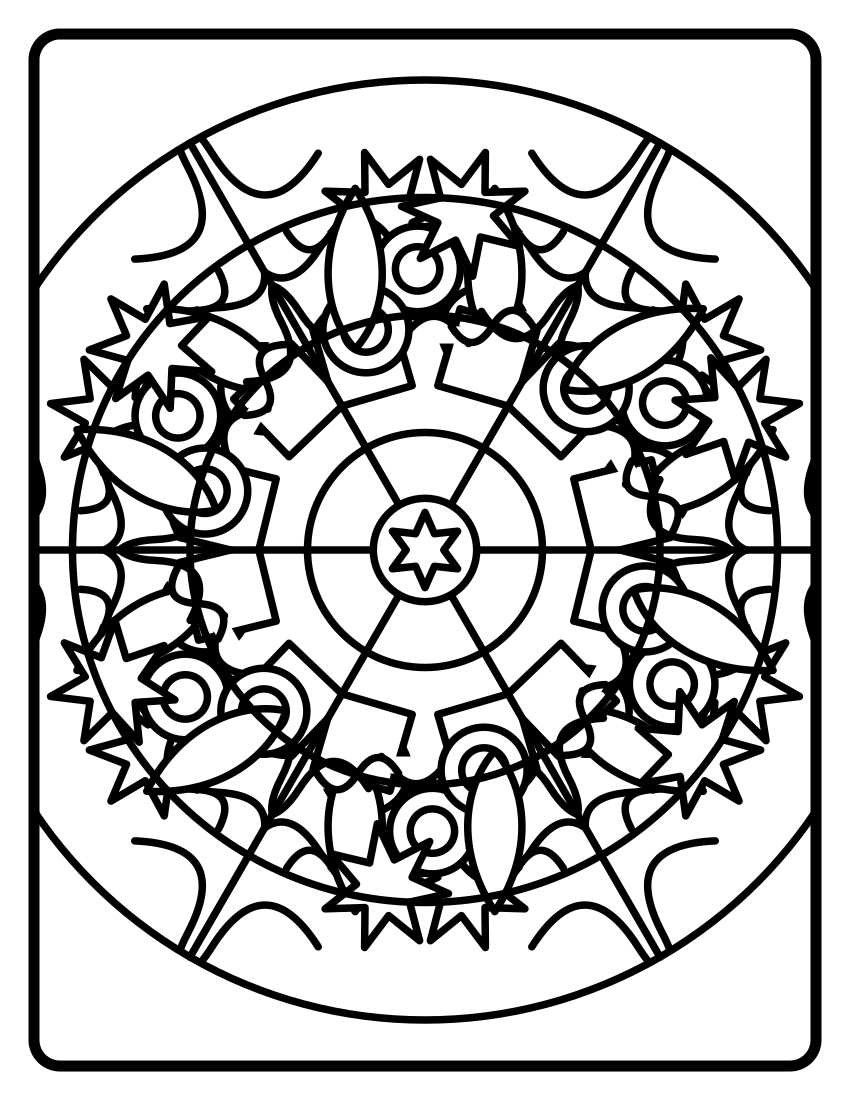
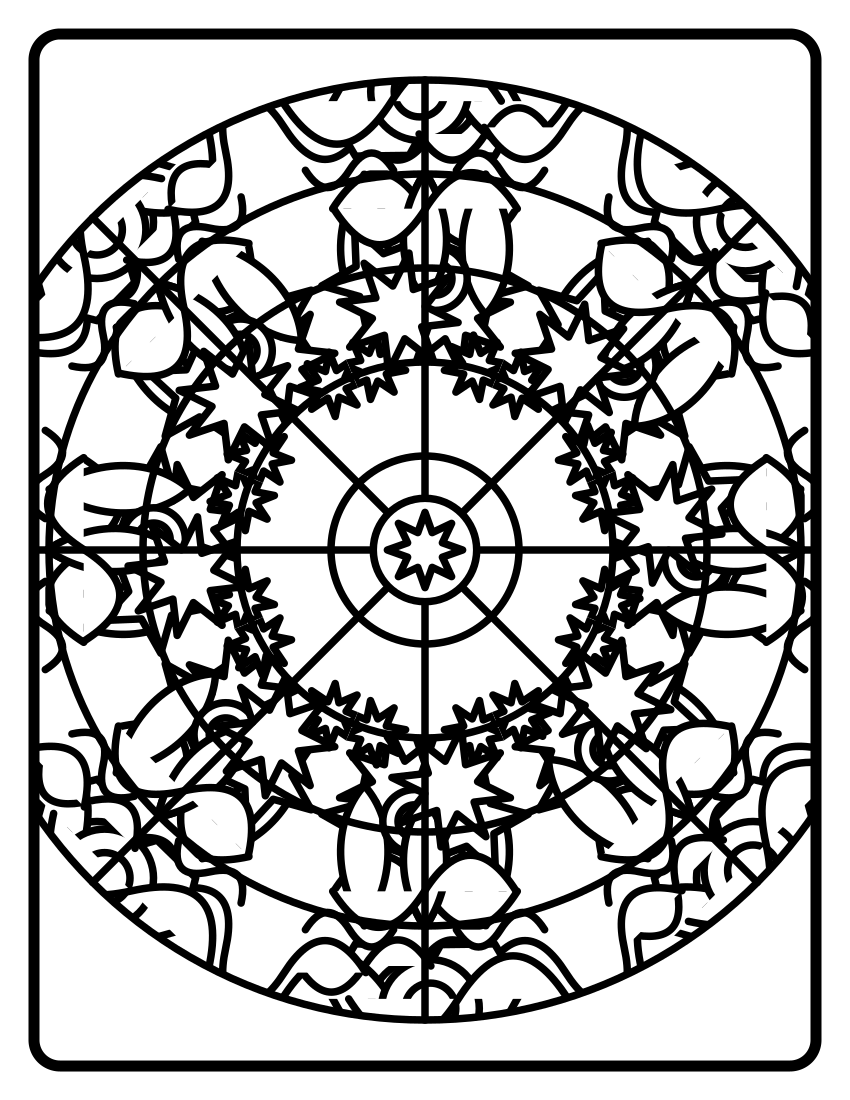
Medium kaleidoscope coloring pages ages 6-10
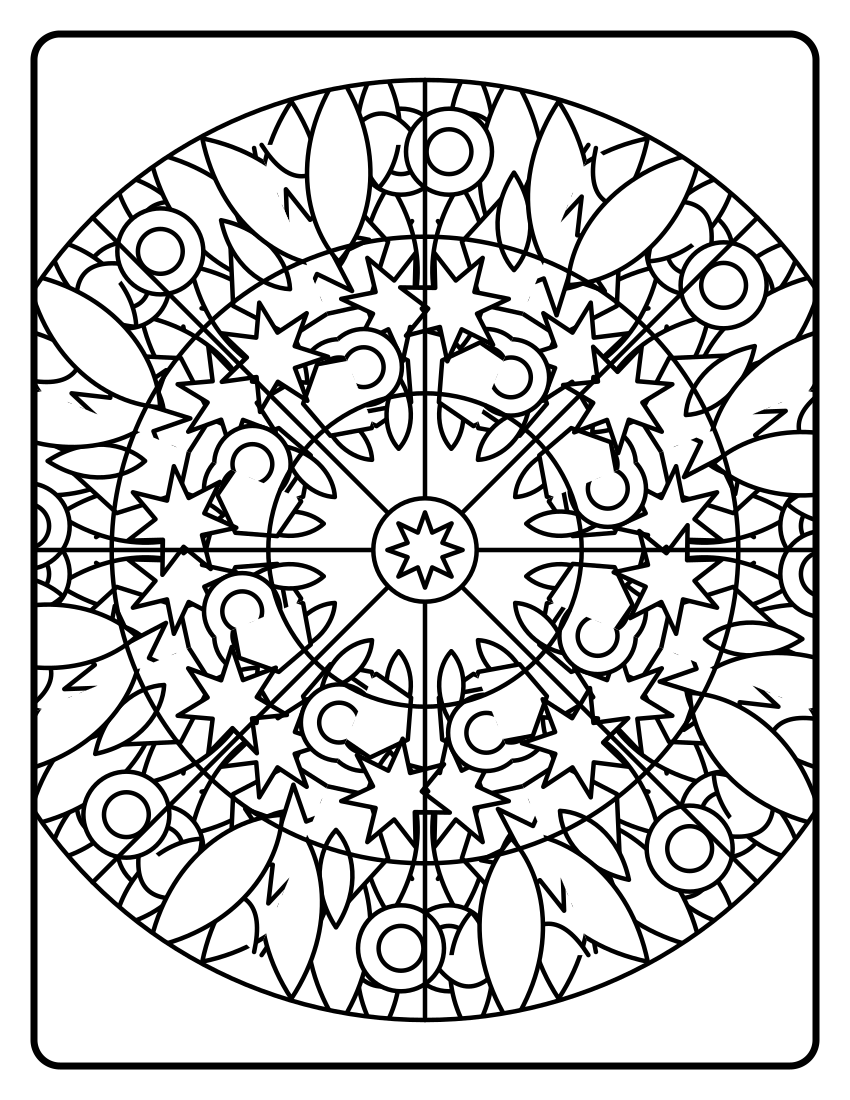
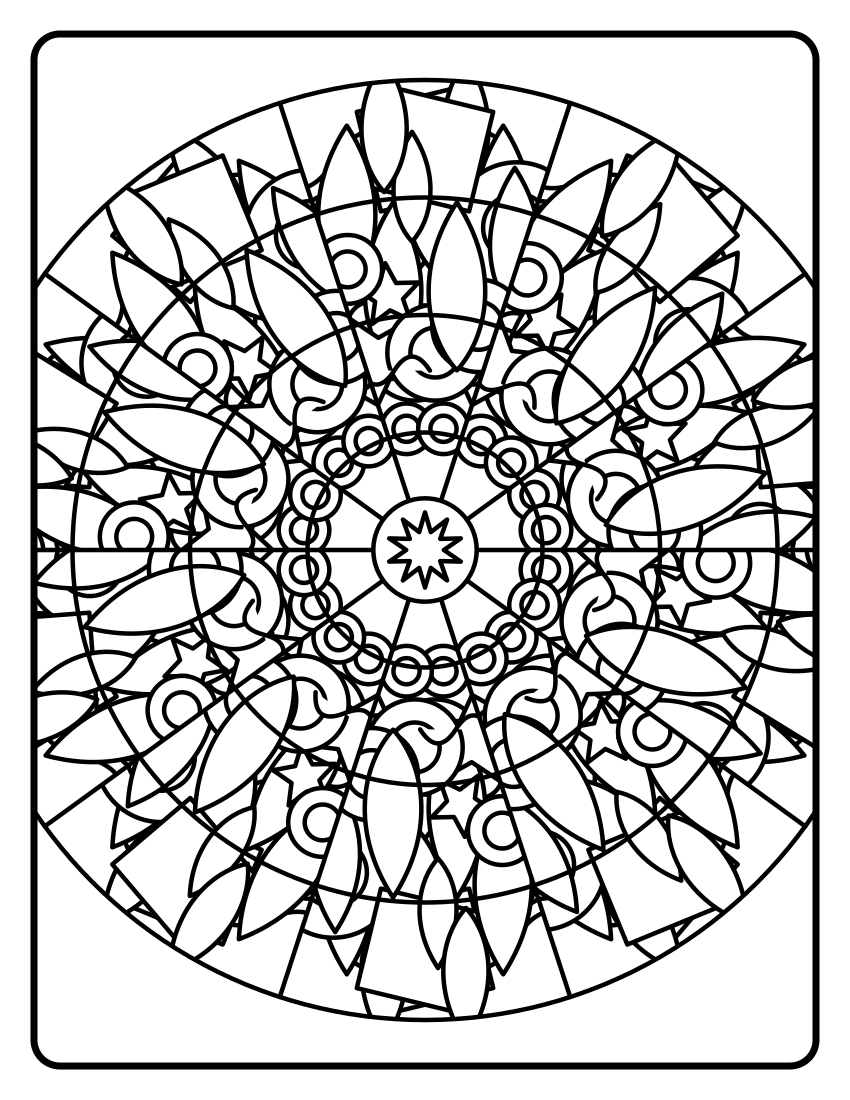
Detailed kaleidoscope coloring pages ages 10+ and adults
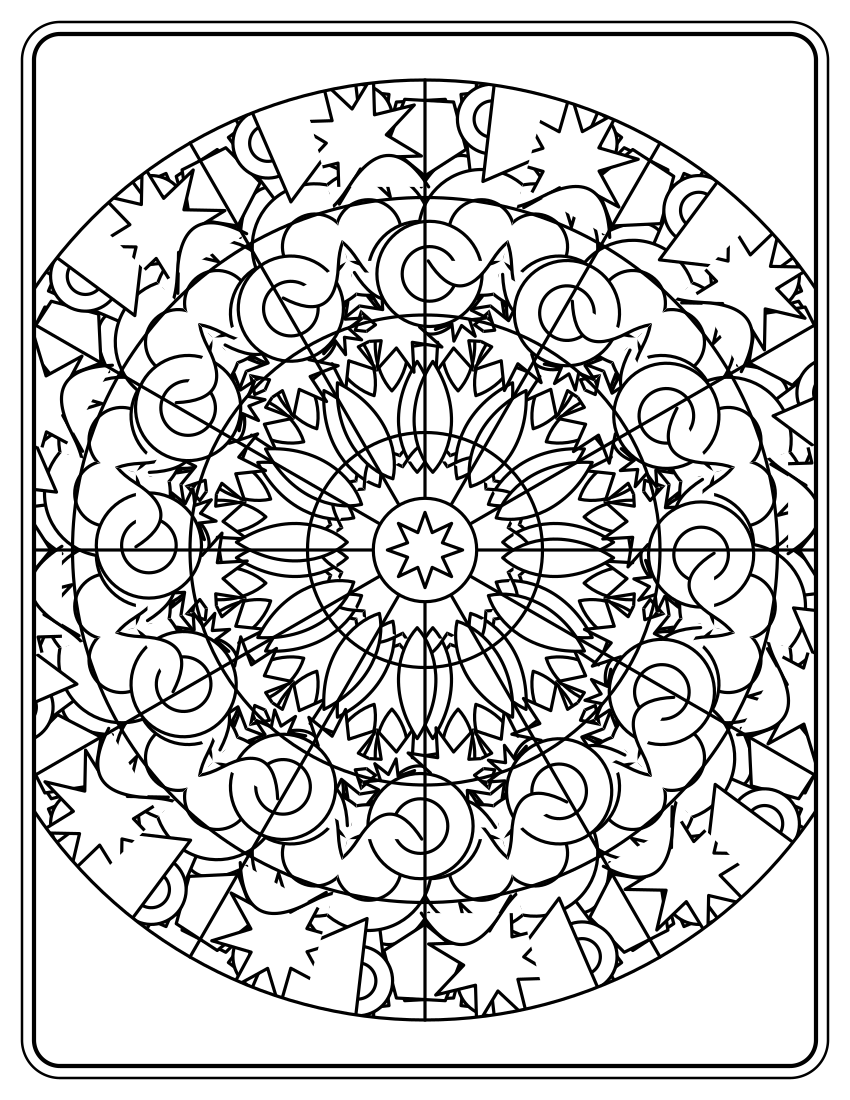
More ways to browse
A kaleidoscope page is easier to color than it looks. Pick colors for one wedge first, then copy that choice into every other wedge, and the symmetry does the rest. Coloring matching shapes in matching colors is what makes the finished page look like it was seen through a real kaleidoscope. Breaking the rule on purpose, with one wedge in a different palette, gives the page a focal point instead.
Colored pencils give the softest blends between neighboring wedges. Markers suit the bolder designs with larger spaces, as long as the paper is thick enough that the ink does not bleed between shapes.
Fun facts to share while you color
- The kaleidoscope was invented by the Scottish scientist David Brewster in 1816.
- The name comes from Greek words meaning a viewer of beautiful shapes.
- Two mirrors set at an angle are what multiply a few loose beads into a full ring of pattern.
- The smaller the angle between the mirrors, the more repeats you see.
- Kaleidoscope patterns are built on rotational symmetry, the same idea behind snowflakes and flower petals.
Ways to use these kaleidoscope pages
- Color one wedge, then repeat the exact same colors in every other wedge to keep the symmetry.
- Give every ring its own color and watch the pattern turn into bands from the center out.
- Color one single wedge differently from the rest so the eye has somewhere to land.
- Cut the finished page into a circle and hang it in a window so the light comes through.
Questions parents and teachers ask
What is the difference between a kaleidoscope and a mandala coloring page?
A mandala is built from rings of shapes around a center. A kaleidoscope repeats one mirrored wedge around the center, so the pattern looks reflected rather than stacked in rings.
How do I keep the symmetry when coloring?
Finish one wedge first and use it as your key. Then work shape by shape around the page, matching each shape to the one in the same position in the first wedge.
Are these pages suitable for kids?
The open designs with large spaces work well from about age 7. The detailed pages have small shapes and fine lines, and suit older kids and adults.