Turtle Coloring Pages
Turtle coloring pages give kids a calm, slow animal with a patterned shell to fill. Very simple outlines suit toddlers, while detailed shells with many sections give older kids and adults a relaxing project.
Very simple turtle coloring pages ages 2-4
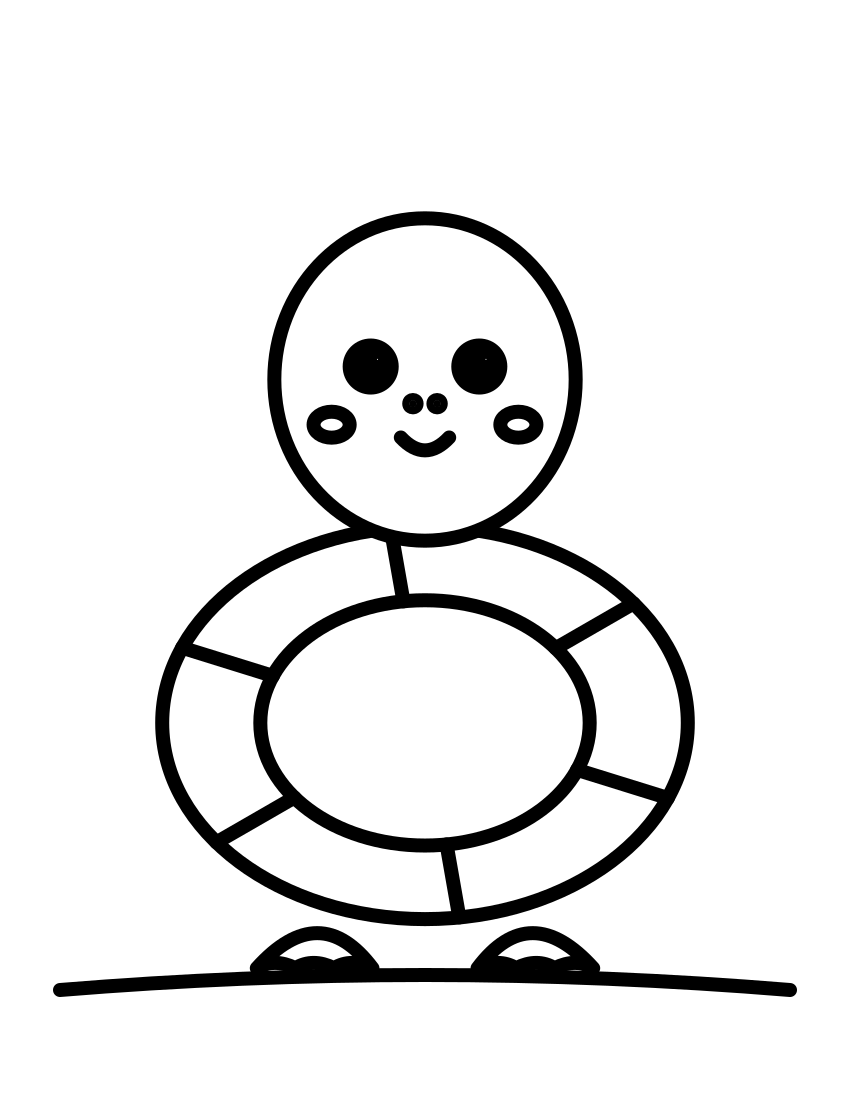


Easy turtle coloring pages ages 3-6

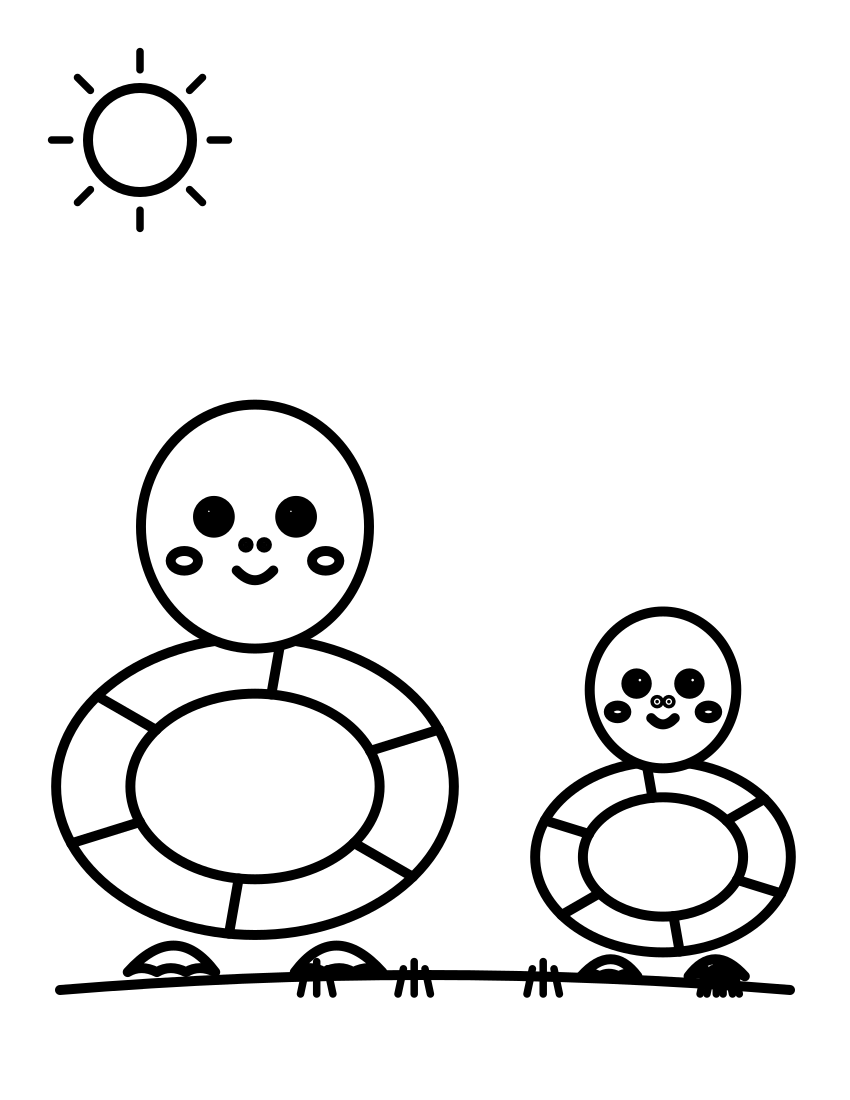
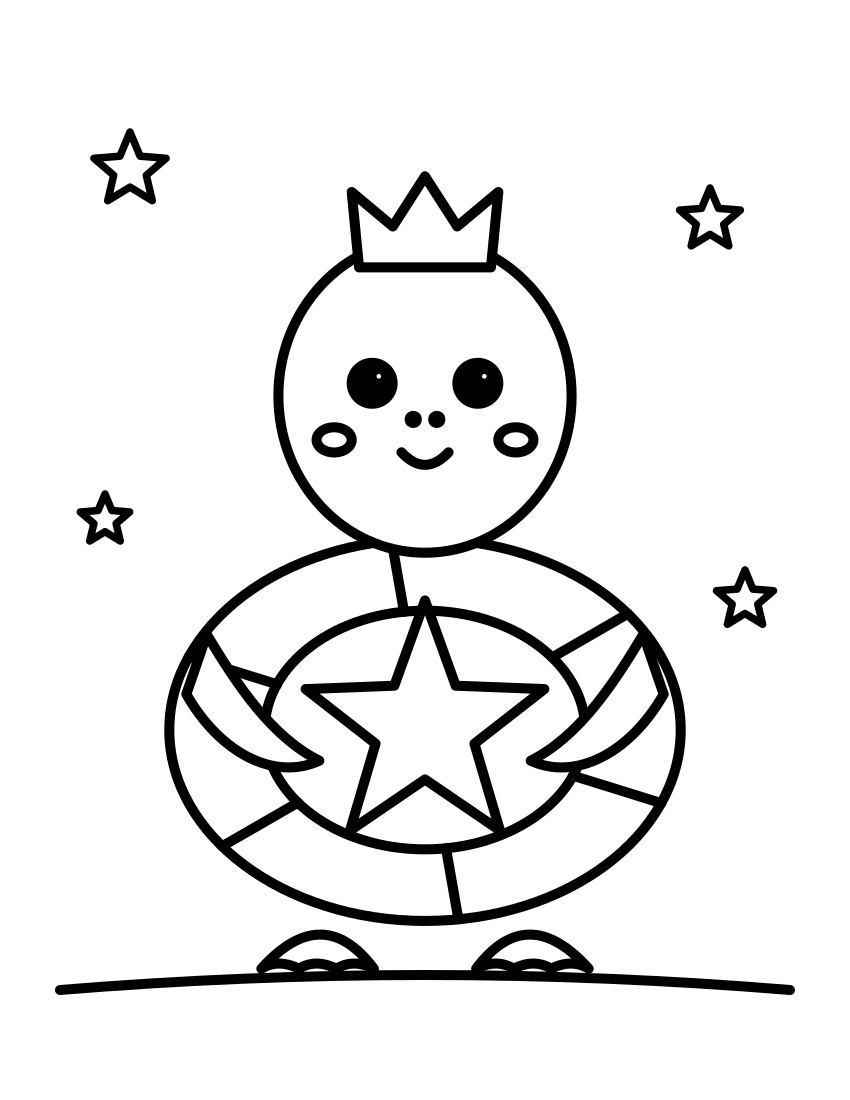
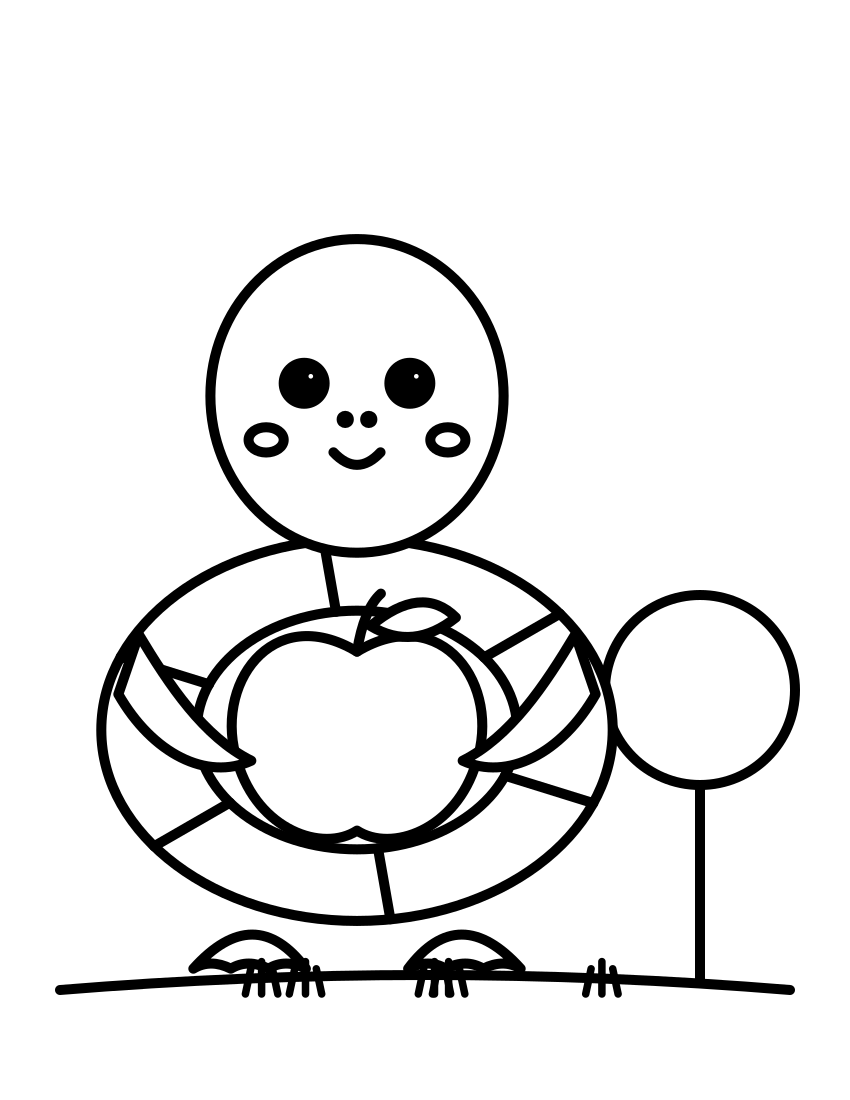
Medium turtle coloring pages ages 6-10
Detailed turtle coloring pages ages 10+ and adults
More ways to browse
The shell is the star here, so talk about how it is part of the turtle's skeleton and cannot come off. Ask kids where their turtle lives: a pond, a river or the ocean. Pond turtles are usually green, brown and olive, sometimes with yellow or red stripes on the head. Sea turtles are often greenish brown with a lighter belly shell. Turtle pages fit ocean, pond and summer themes.
Color each shell section separately, using a darker edge and a lighter middle to make the plates look raised. For a sea turtle, add soft blue water around it with the side of a crayon.
Fun facts to share while you color
- A turtle's shell is part of its skeleton and is joined to its backbone and ribs.
- Sea turtles lay their eggs in holes they dig on sandy beaches.
- Turtles have no teeth. They use a hard, beak-like mouth to bite food.
- Sea turtles have flippers for swimming, while many pond turtles have webbed feet with claws.
- Turtles have lived on Earth since the time of the dinosaurs.
Ways to use these turtle pages
- Write a number in each shell section, then color by number using a simple color key.
- Make a paper plate turtle: glue the colored shell onto a plate, then add a cut-out head, legs and tail.
- Hold a slow race where kids move their turtle cutouts one step for each correct answer in a quiz.
- Retell the old fable of the tortoise and the hare, then talk about why slow and steady can win.
Questions parents and teachers ask
What is the difference between a turtle and a tortoise?
All tortoises are turtles, but tortoises live only on land. They have high, domed shells and stumpy legs, while water turtles have flatter shells and webbed feet or flippers.
Can a turtle come out of its shell?
No. The shell is attached to the turtle's spine and ribs, so it grows with the turtle and cannot come off.
What colors are sea turtles?
Sea turtles are usually shades of brown, olive and green on top, with a lighter yellow or cream underside.