Llama Coloring Pages
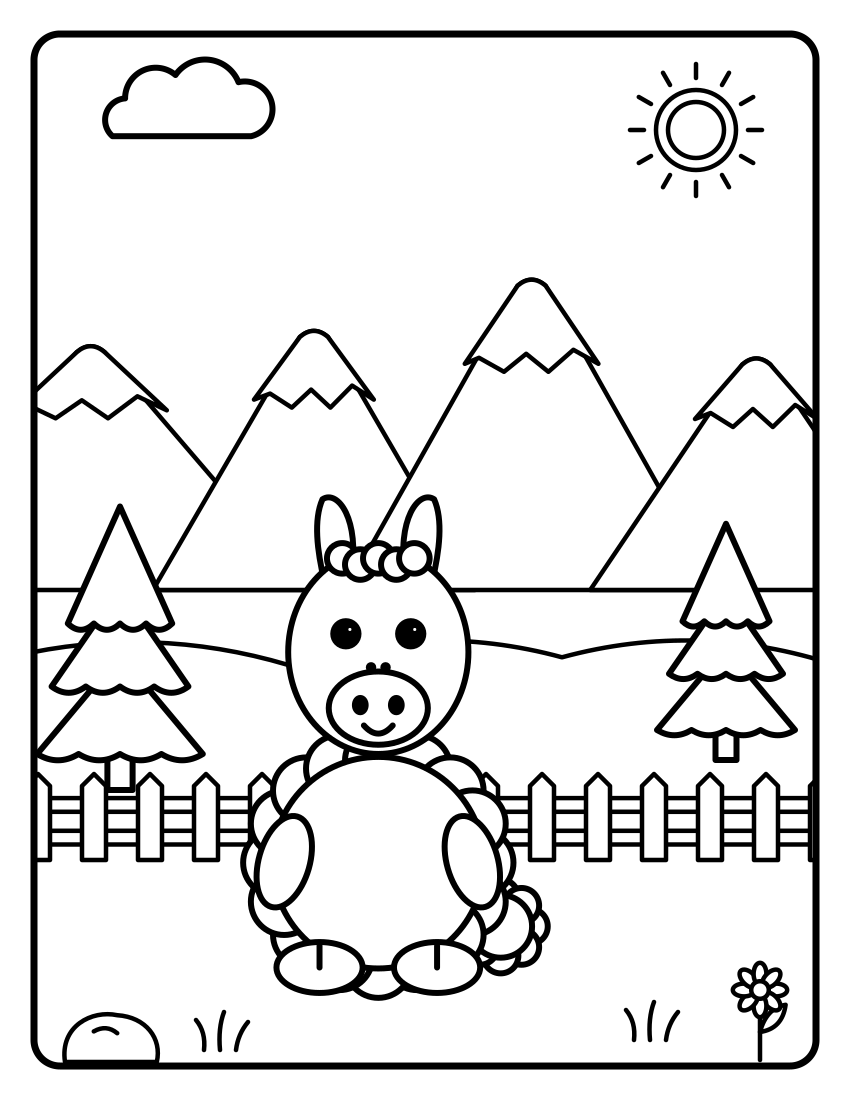
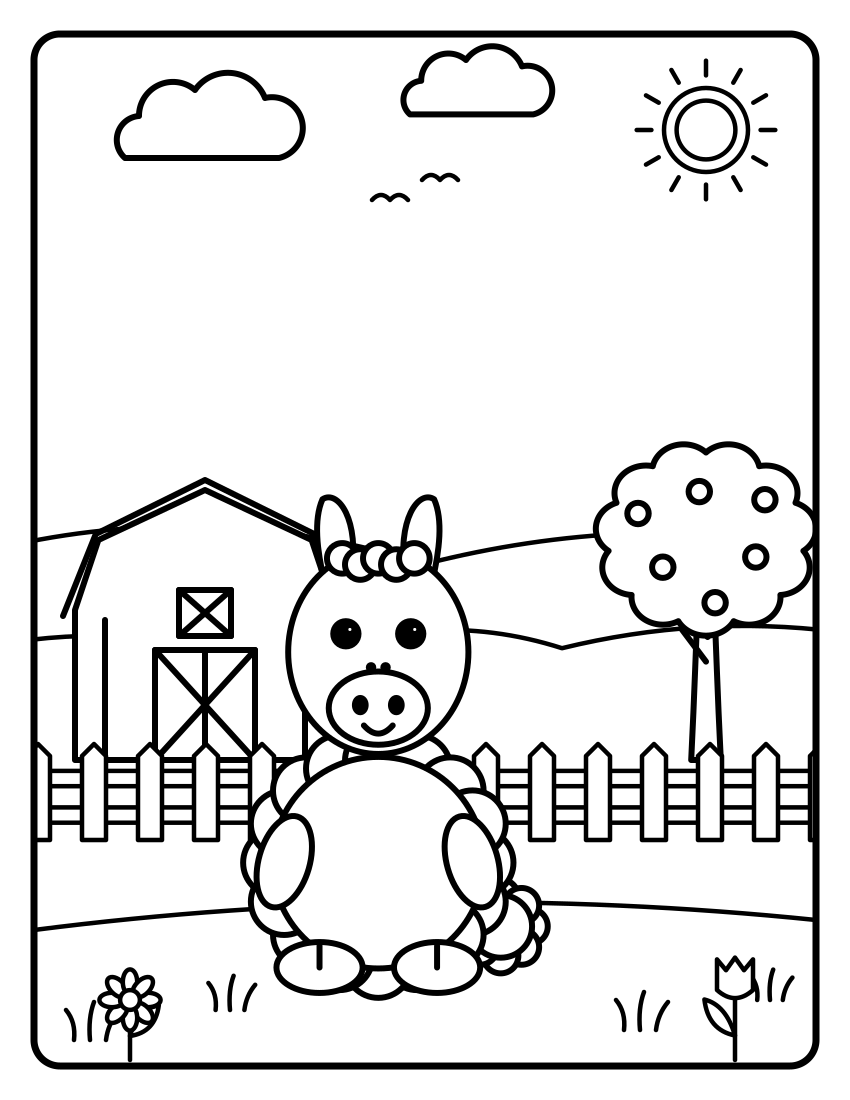
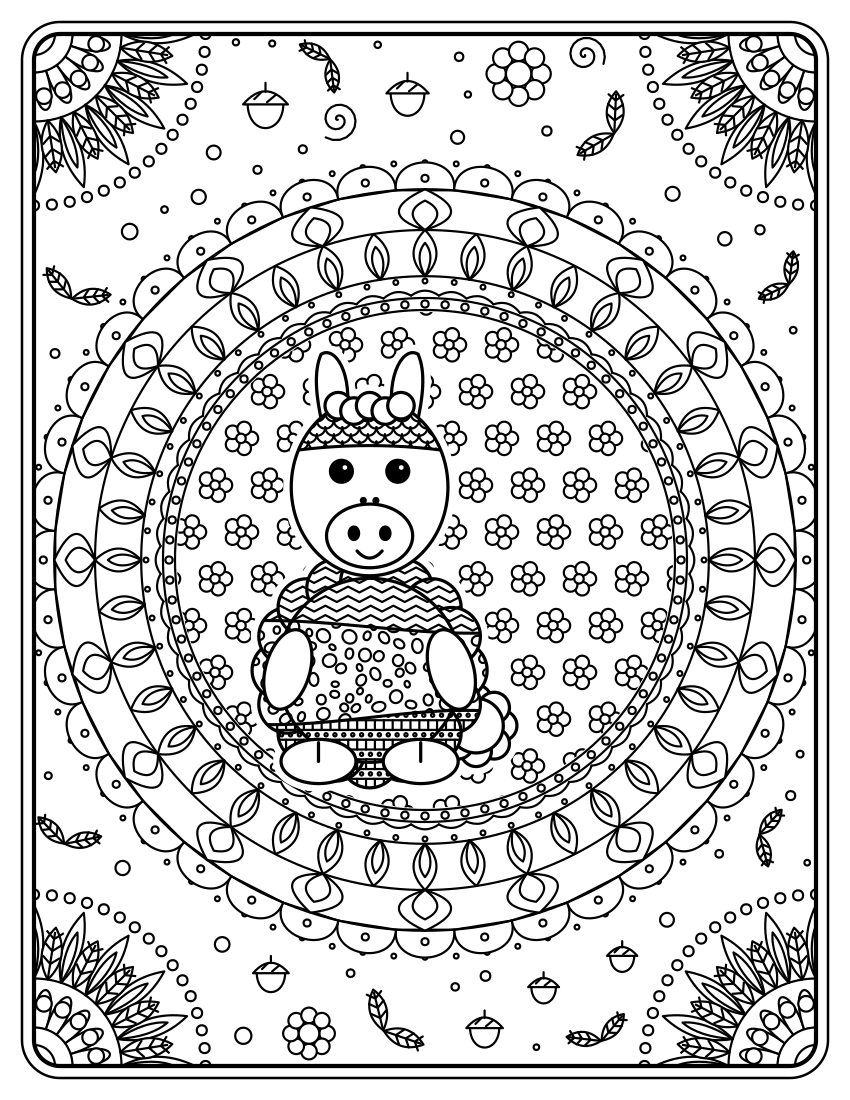
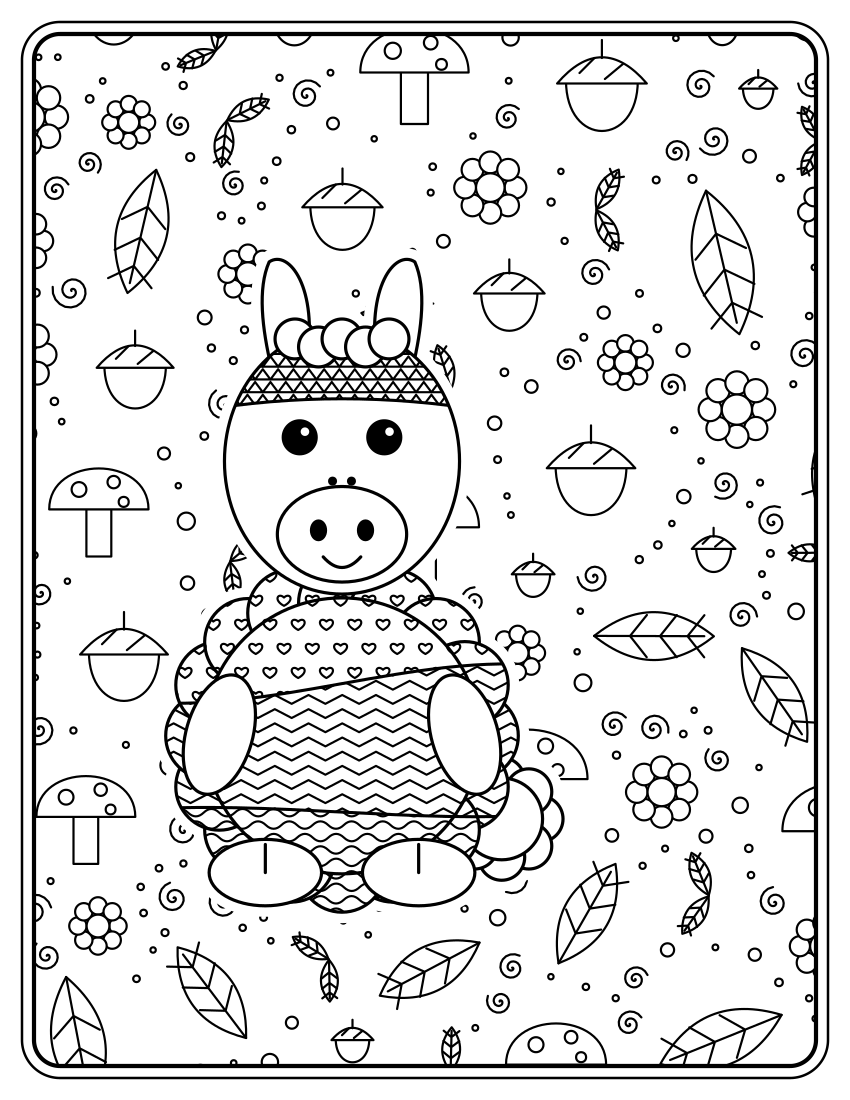
Llama coloring pages with fluffy llamas, tasseled blankets and mountain backdrops. Simple shapes suit younger kids, and detailed pages with woven patterns give older kids and teens room for bright color work.
Very simple llama coloring pages ages 2-4
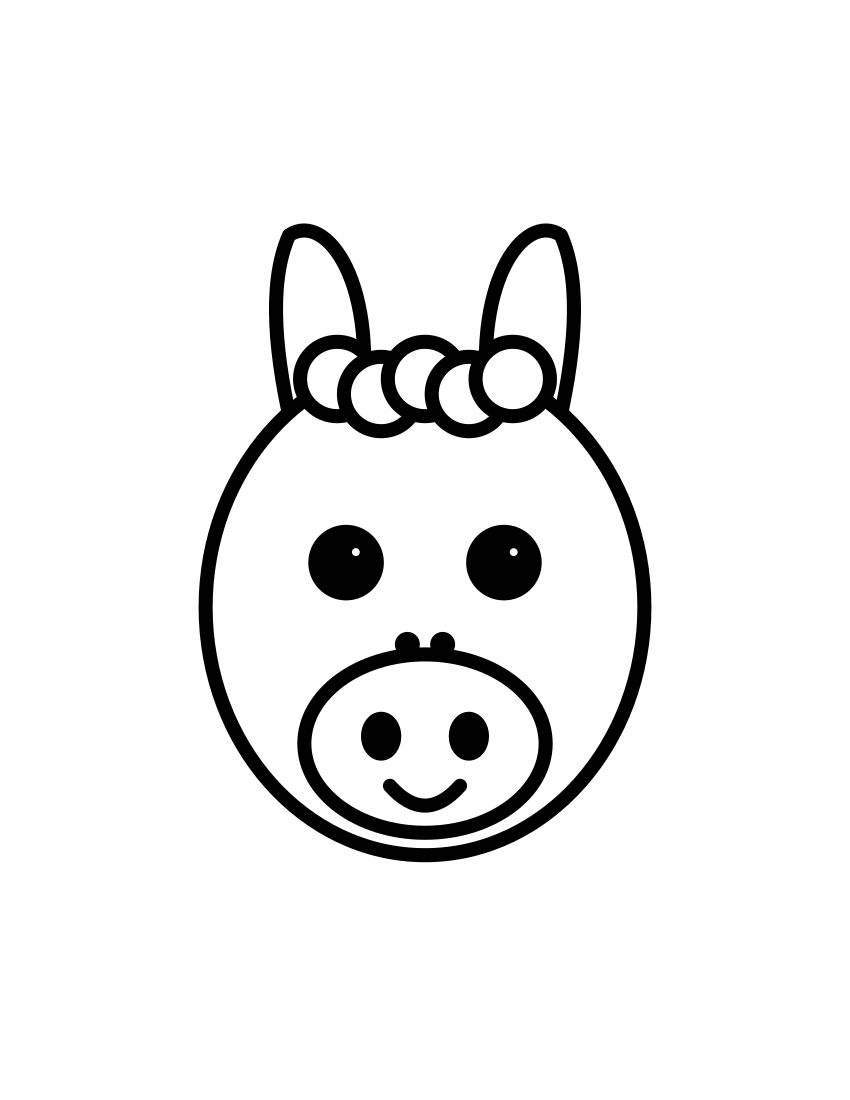


Easy llama coloring pages ages 3-6
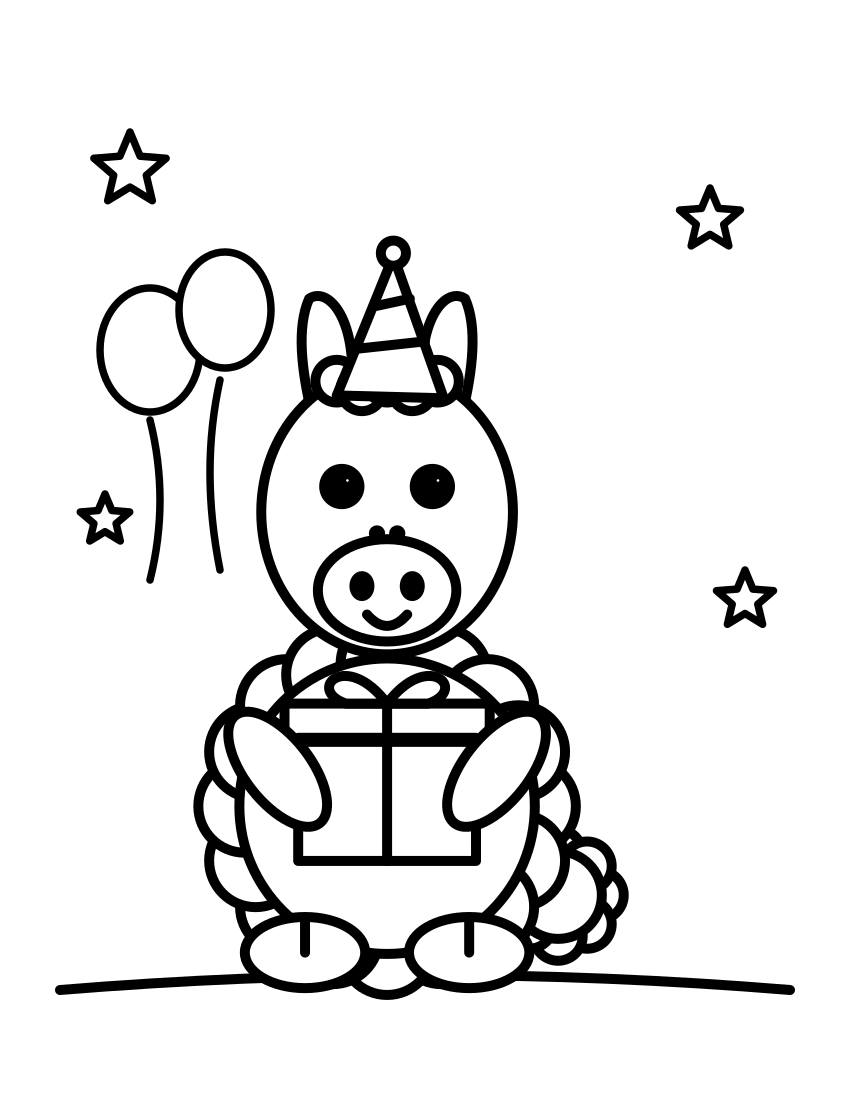
Medium llama coloring pages ages 6-10
Detailed llama coloring pages ages 10+ and adults
More ways to browse
Llamas come from the Andes mountains in South America, where people have kept them for thousands of years to carry loads and for wool. Real llamas are white, brown, black, gray or spotted. Decorated llamas often wear bright woven blankets and tassels, so this is a page where bold pinks, oranges and teals feel right.
For blanket patterns, pick three colors and repeat them in the same order across each stripe or diamond. Fine markers or gel pens work well for the small shapes, and a ruler helps older kids keep the stripes straight.
Fun facts to share while you color
- Llamas come from the Andes mountains in South America.
- People use llamas to carry packs on mountain trails.
- Llamas are related to camels but have no hump.
- Llamas hum to communicate with each other.
- Llama wool can be used to make warm yarn.
Ways to use these llama pages
- Find the Andes on a map or globe, then color a llama in front of the mountains.
- Design a woven blanket pattern for the llama using only repeating shapes.
- Glue short pieces of colorful yarn as tassels on the llama's ears or blanket.
- Make a llama versus alpaca chart: kids color one of each and list differences.
Questions parents and teachers ask
Where do llamas come from?
Llamas come from the Andes mountains in South America, in countries such as Peru and Bolivia. People there have kept them for thousands of years.
What is the difference between a llama and an alpaca?
Llamas are bigger with long, banana-shaped ears and longer faces. Alpacas are smaller with short, pointed ears and fluffier faces.
What colors are real llamas?
Llamas can be white, brown, black, gray, tan or spotted. The bright colors you often see come from the blankets and tassels people put on them.