Pig Coloring Pages
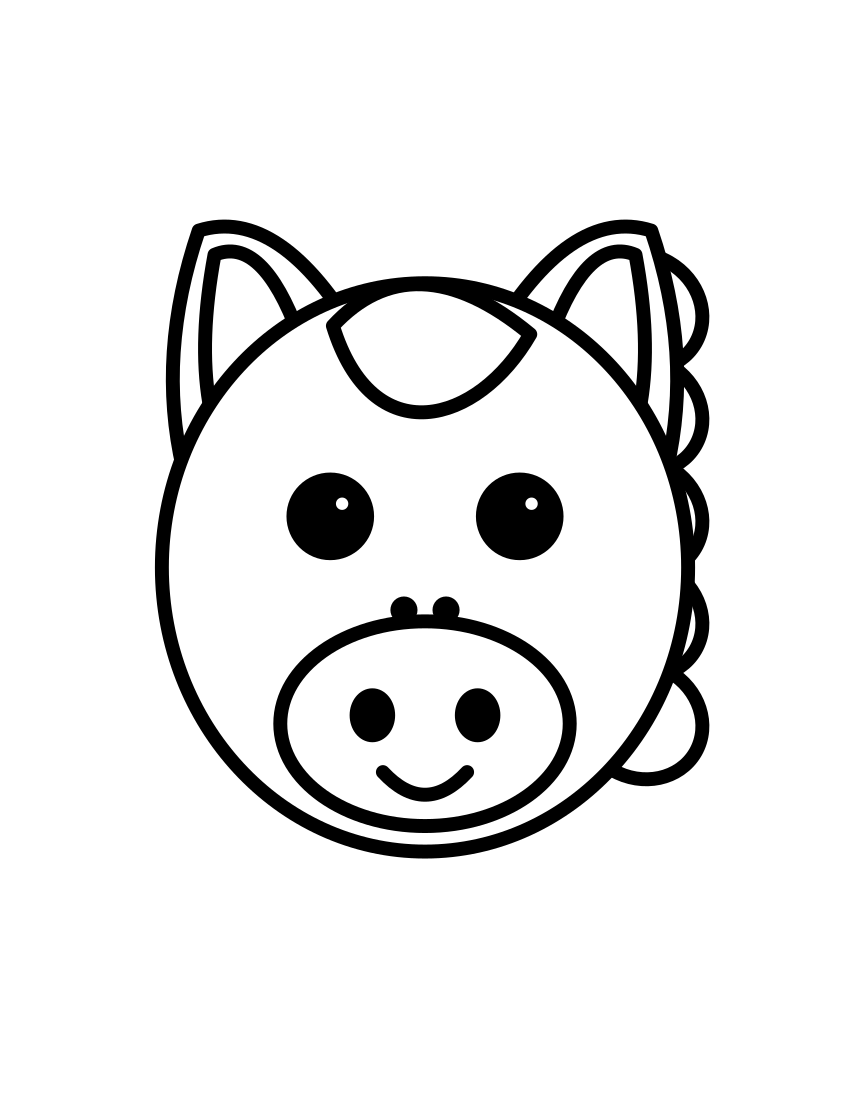
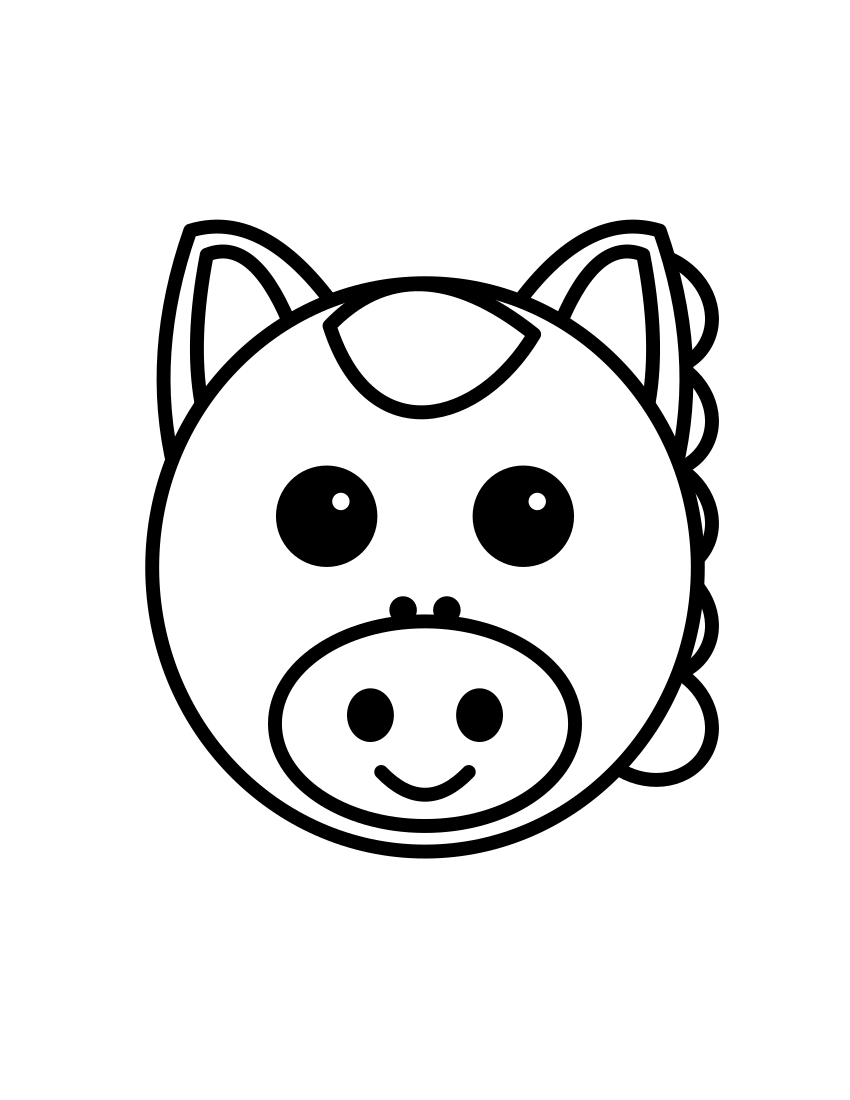
Pig coloring pages with round farm pigs, little piglets and muddy pens. Simple outlines with big curly tails work for toddlers, and detailed barnyard scenes keep older children busy.
Very simple pig coloring pages ages 2-4
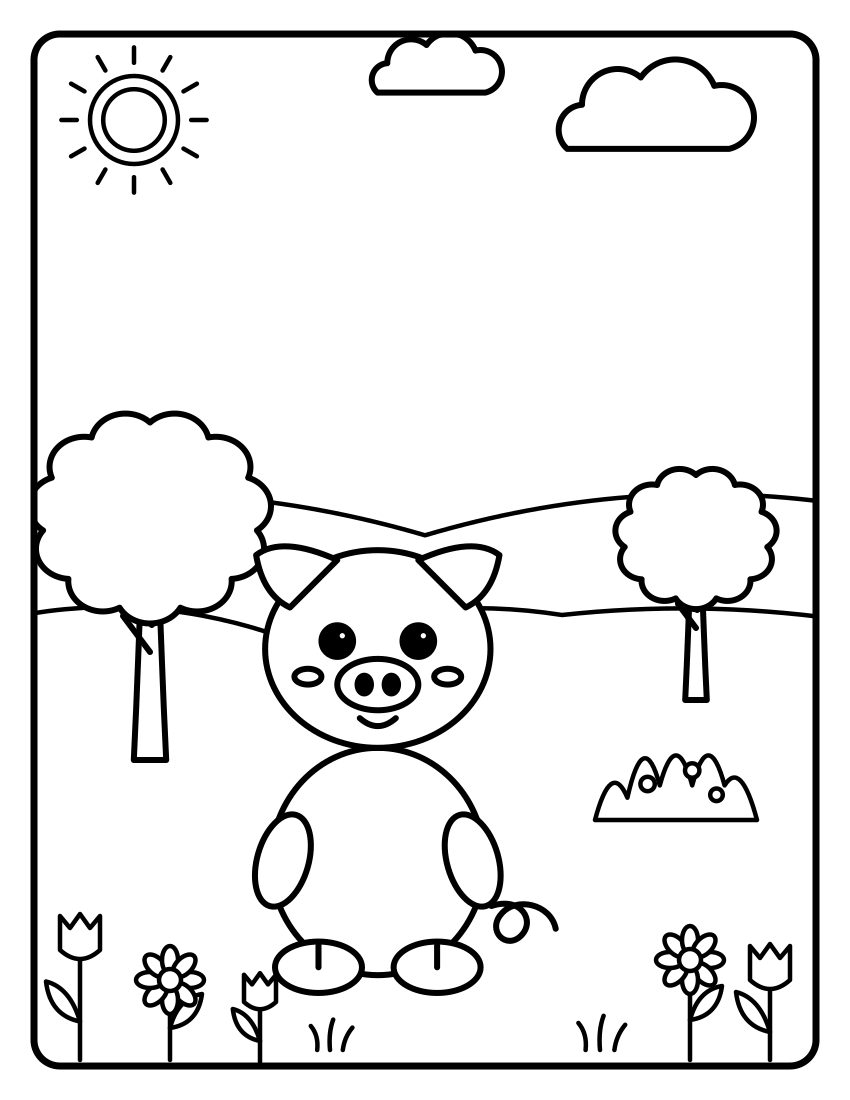
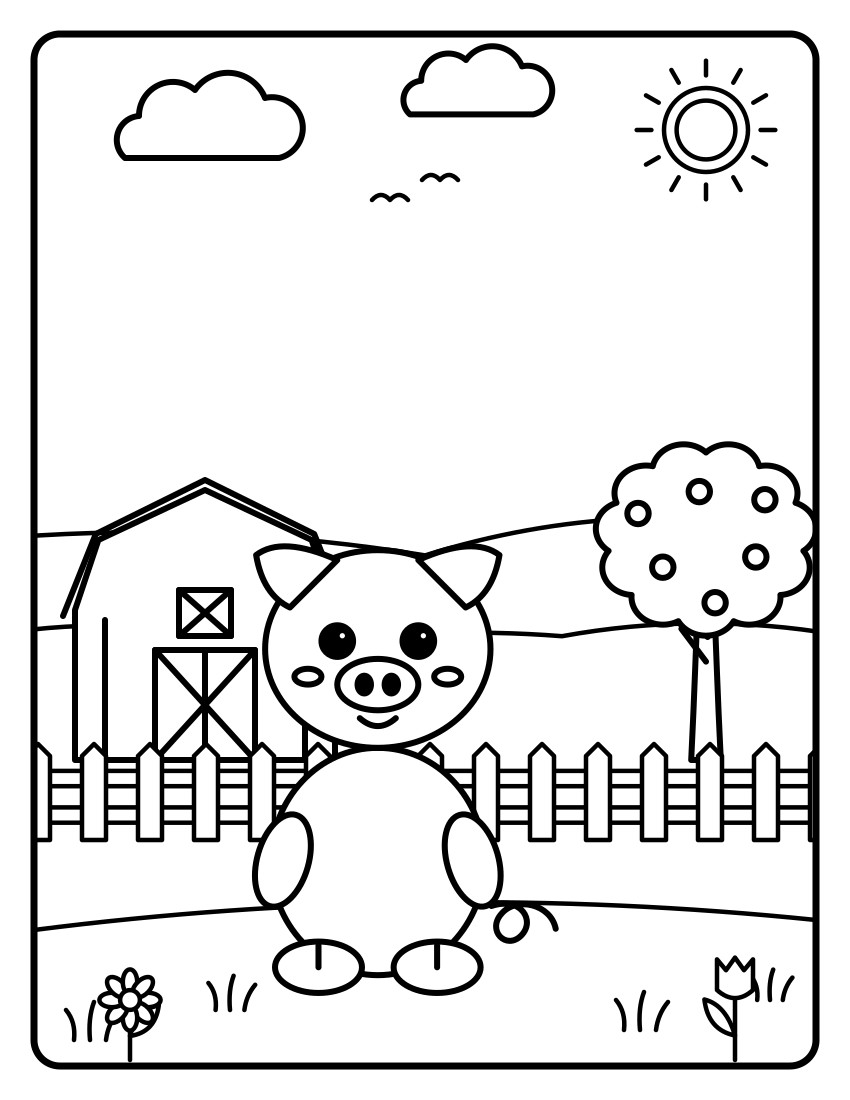
Easy pig coloring pages ages 3-6
Medium pig coloring pages ages 6-10
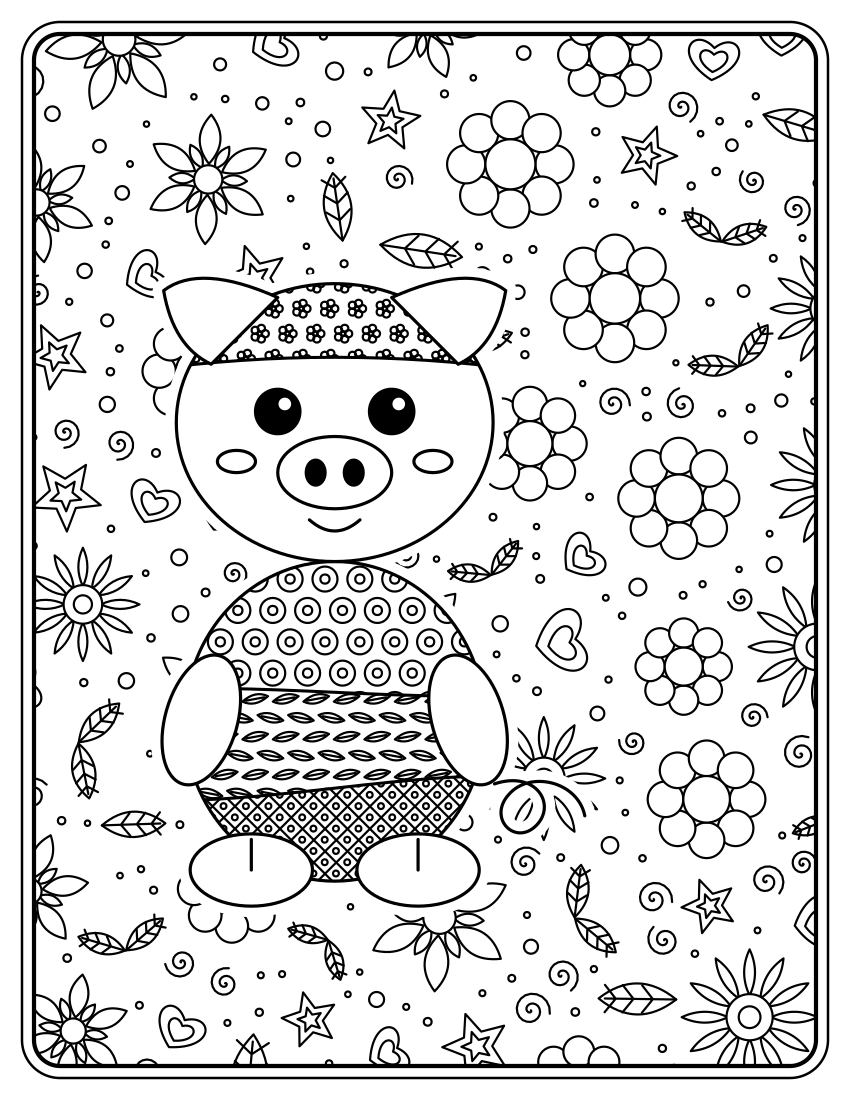
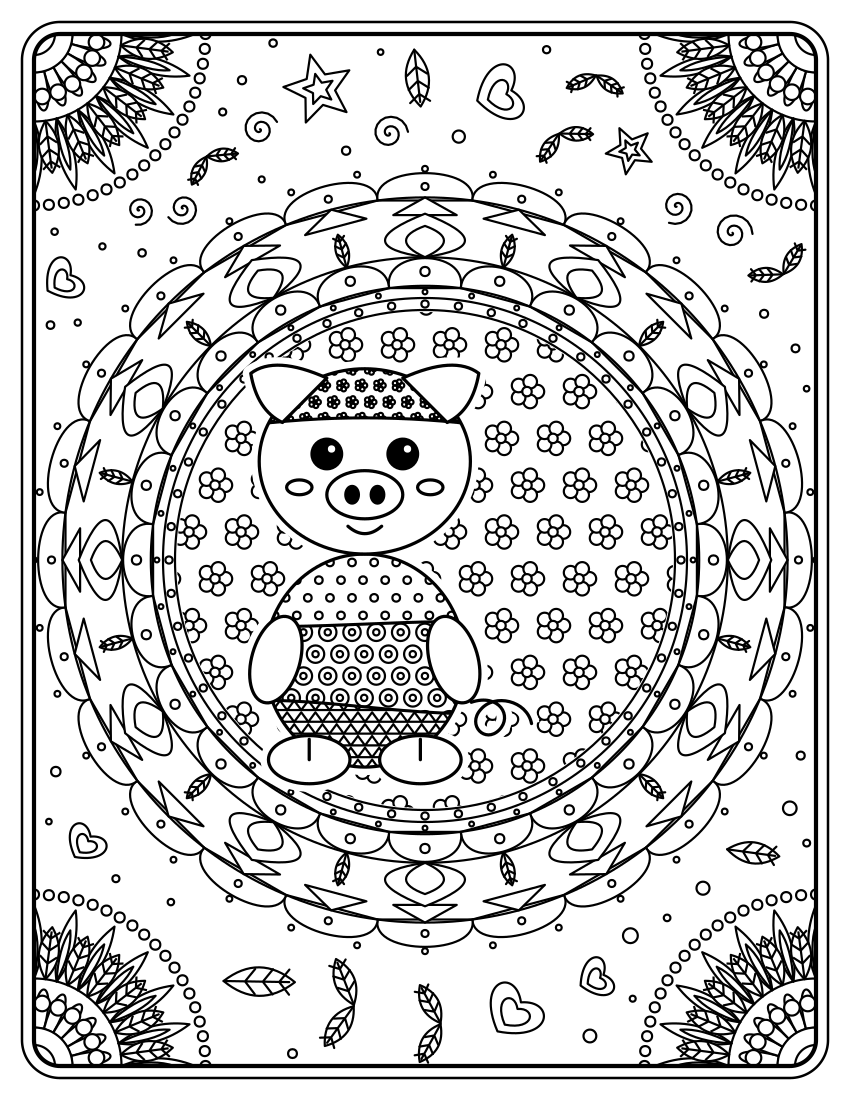
Detailed pig coloring pages ages 10+ and adults
More ways to browse
Kids often giggle at the curly tail, the flat snout and the oink. Pigs are also a good way to explain why animals do things: pigs roll in mud to cool off because they cannot sweat much. Realistic colors are pink, black, brown, spotted or ginger. A muddy pig gives children a reason to try brown on top of pink.
For mud, color the pig pink first, then press lightly with a brown crayon or rub a little brown chalk pastel over the legs and belly with a fingertip. Kids love making a clean pig messy on purpose.
Fun facts to share while you color
- A baby pig is called a piglet.
- Pigs roll in mud to stay cool because they cannot sweat much.
- Pigs have a very good sense of smell and use their snouts to dig in the ground.
- Pigs are known as smart animals that can learn tricks.
- A group of piglets born at the same time is called a litter.
Ways to use these pig pages
- Twist a pipe cleaner into a curly tail and tape it to the back of the finished pig.
- Turn the colored pig into a paper bag puppet and act out a farm story with oinking sounds.
- Count piglets on the page and write the number next to the mother pig.
- Retell a familiar folk tale about pigs who build houses, then let kids color a pig and draw its house.
Questions parents and teachers ask
Why do pigs roll in mud?
Pigs cannot sweat much, so they roll in mud to cool their skin. The mud also helps protect them from sunburn and bugs.
What colors are real pigs?
Pigs can be pink, black, brown, reddish ginger or spotted. Pink is the color most picture books use, but a spotted or black pig is just as real.
What sound words can toddlers practice with a pig page?
Oink is a fun one to say while coloring. You can also practice pig, piglet, snout and mud.